How to Propagate Horsetail milkweed?
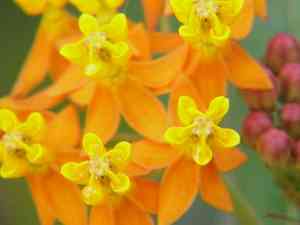
Equisetum milkweed is a perennial plant that flourishes in permeable ground, commonly observed in arid regions. For propagation, begin with adequately drained earth and complete sun exposure. Planting seeds can be successful, but immerse them for several hours to enhance sprouting. To achieve optimal outcomes, confirm the seeds are placed superficially in the substrate and maintain steady dampness until they germinate.
When Is the Best Time to Propagate Horsetail Milkweed?
Propagation Type
Seeding
Propagation Season
Spring
What Tools Are Used in Horsetail Milkweed Propagation?
Seed Trays or Seed Flats
These containers offer a controlled setting for planting seeds. For horsetail milkweed, using seed trays aids in managing and observing the initial germination phases closely, ensuring ideal conditions for the young seedlings to establish.
Quality Seed Starter Mix
A well-draining and nutrient-rich seed starter mix is crucial for horsetail milkweed's seeds. It provides the necessary aeration and moisture retention, ensuring the delicate seedlings receive the right balance of water and nutrients during their early growth phases.
Fine Mist Spray Bottle
Sufficient moisture is vital without causing waterlogging. A fine mist spray bottle ensures that horsetail milkweed's seeds and seedlings receive gentle, even moisture, which is crucial for avoiding seed displacement and promoting steady germination.
Humidity Dome
Maintaining high humidity levels is advantageous for seed germination. A humidity dome placed over seed trays helps in creating a humid microenvironment, reducing evaporation and keeping horsetail milkweed's seeds consistently moist until they sprout.
Seed Dibber
A seed dibber assists in making precise indentations in the soil for sowing seeds at the correct depth. This tool ensures that horsetail milkweed's seeds are sown evenly and at the optimal depth, which is crucial for successful germination.
Heating Mat
Providing bottom heat can accelerate germination, especially in cooler climates. A heating mat set to an appropriate temperature helps maintain consistent warmth, thereby speeding up the germination process for horsetail milkweed.
Grow Lights
Adequate light is essential for the healthy growth of seedlings. If natural light is insufficient, grow lights provide the necessary light spectrum and intensity to support robust photosynthesis and development of horsetail milkweed's seedlings.
Labeling Stakes
Keeping track of different sowing batches is crucial, especially if propagating multiple varieties. Labeling stakes help in identifying horsetail milkweed's specific batches, ensuring accurate tracking of growth progress and care schedules.
How to Propagate Horsetail Milkweed?
Propagation Type
Simple
How to Care for Your Newly Propagated Horsetail Milkweed?
How to Care for Your Newly Propagated Horsetail Milkweed?
Once the seedlings of horsetail milkweed are established and have developed a few sets of true leaves, gradually acclimate them to outdoor conditions by increasing exposure to sunlight and reducing humidity over one to two weeks. Transplant them into a well-draining, sunny location in your garden. Water regularly but allow the soil to dry slightly between watering. Mulch around the base to conserve moisture and prevent weed growth. Ensure the plant is not waterlogged as horsetail milkweed prefers drier conditions. Regularly monitor for pests and diseases, and support stems if needed to prevent damage.
Common Mistakes to Avoid When Propagating Horsetail Milkweed
Overwatering
Excessive watering can lead to root rot and fungal infections, which are detrimental to the health and growth of horsetail milkweed.
Incorrect Soil Type
Planting horsetail milkweed in soil that retains too much moisture or lacks proper drainage can cause root diseases.
Improper Light Conditions
Placing horsetail milkweed in shaded areas can inhibit its growth, as it needs full sunlight to thrive.
Neglecting Soil pH
Ignoring the soil pH can cause nutrient imbalances, hampering the plantâs ability to absorb essential nutrients.
Tips For Propagating Horsetail Milkweed
Use Well-Draining Soil
Ensure the soil is well-draining to prevent waterlogging and promote healthy root development.
Adequate Light Exposure
Place horsetail milkweed in an area where it can receive full sunlight for most of the day to support its growth.
Soil pH Monitoring
Maintain a slightly acidic to neutral soil pH to facilitate optimal nutrient uptake.
Regularly Monitor Moisture Levels
Check the soil moisture regularly and water only when it is dry to the touch to avoid overwatering.



