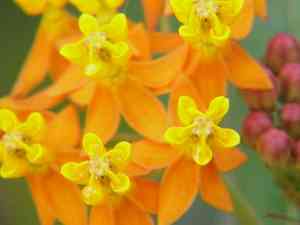
Horsetail milkweed (Asclepias subverticillata)
Also known as: Poison milkweed
Cleome serrulata, commonly known as Rocky Mountain beeplant, is a species found in the United States. The Zuni people have a tradition where little boys consume its buds.
In This Article
Attributes of Horsetail milkweed
Lifespan
Perennial
Plant Type
Herb
Plant Height
30 to 90 cm
Spread
Not typically characterized by crown diameter as it is a herbaceous plant.
Leaf Color
Green
Flower Size
Small, approximately 0.5 cm per flower
Flower Color
White
Images of Horsetail milkweed
Quickly Identify Horsetail milkweed
1
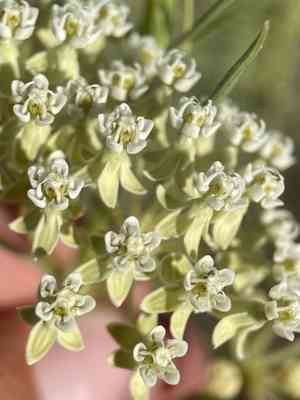
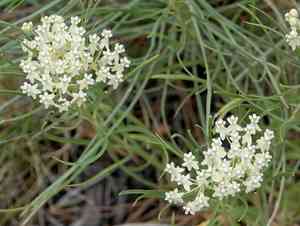
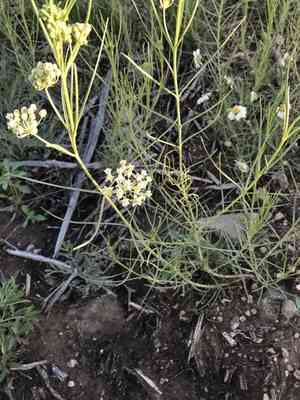
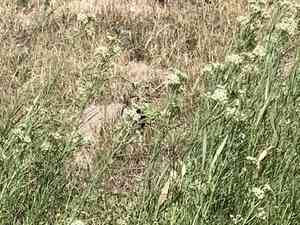
Horsetail Milkweed can be identified by its narrow, linear leaves which are arranged in whorls along the stem, and small white flowers clustered in umbels. The plant also produces distinctive seed pods.
Scientific Classification of Horsetail milkweed
Phylum
Vascular plants
Class
Dicotyledons
Order
Gentianales
Family
Dogbane
Genus
Milkweeds
Species
Horsetail milkweed
Planting and Growing of Horsetail milkweed
Care Difficulty
Easy
Watering Schedule
Every 2 days
Sunlight Requirements
Full sun
Sunshine Duration
4-8 hours
Ideal Temperature
68-86℉
Soil Type
Potting Mix, Peat Mix
Soil pH
6.5-7.5
Fertilizer Type
Balanced
Pruning Season
Spring, Summer
Pruning Area
Branches, Leaves
Pruning Frequency
Once a year
Repotting Season
Spring
Pot Type
Plastic, Ceramic
 How to Water Horsetail milkweed?
The amount of water for Asclepias subverticillata should be enough to moisten the soil without leaving it waterlogged. Aim for approximately 500 milliliters per watering session. It's essential to ensure the water reaches the root zone without pooling on the surface, encouraging deep root growth.
What are the symptoms of an underwatered Horsetail milkweed?
›
What should I do if my Horsetail milkweed is not getting enough water?
›
What are the symptoms of an overwatered Horsetail milkweed?
›
How to save an overwatered Horsetail milkweed?
›
 What Are the Sunlight Requirements for Horsetail milkweed?
Ideal conditions involve full sun to partial sun, balancing around 6 to 8 hours of exposure daily. Such light promotes lush growth and vibrant flower production, reflecting its natural habitat.
Why does Asclepias subverticillata love the sun?
›
How can you ensure ideal sun exposure?
›
What benefits do optimal lighting conditions offer?
›
 What Is the Ideal Temperature Range for Horsetail milkweed?
For optimal growth, Asclepias subverticillata prefers temperatures between 68°F and 86°F. This temperature range allows the plant to photosynthesize efficiently, ensuring healthy foliage and robust flower development. Maintaining these conditions helps maximize plant vigor and yield.
 What Soil is Best for Horsetail milkweed?
Asclepias subverticillata thrives in well-drained soils as it helps prevent root rot, which can be detrimental to its growth. Well-drained soil ensures excess water is efficiently removed, allowing roots to breathe and access vital nutrients, promoting healthy plant development. This species prefers a soil with moderate nutrient levels, ensuring it has access to necessary nourishment without overwhelming its root system. Balanced nutrients promote vibrant foliage and robust growth, enhancing the plant's ornamental value and ecological contributions, such as attracting pollinators. A soil pH range of 6.5 to 7.5 is ideal for Asclepias subverticillata, as it provides an optimal environment for nutrient uptake. Proper pH levels ensure essential elements like nitrogen, phosphorus, and potassium are readily available, fostering healthy growth and vibrant colors.
 How to Fertilize Horsetail milkweed?
For Asclepias subverticillata, apply a low nitrogen fertilizer diluted to half strength. This plant is adapted to nutrient-poor environments, so a light touch with fertilizer is essential to avoid stressing the plant.
 How to Prune Horsetail milkweed?
Begin by identifying dead or damaged stems on your Asclepias subverticillata. Use sterilized pruning shears to remove these parts, cutting back to a healthy tissue or the base. Trim back any overly long stems to control the plant's overall size, ensuring an even shape. Remove any stems crossing over each other to prevent crowding, which can inhibit light penetration and lead to fungal issues.
More About Pruning Techniques→
 How to Propagate Horsetail milkweed plant?
1
Begin by collecting seeds from mature Asclepias subverticillata pods. Allow the seeds to dry completely before storing or planting. Cold stratification for 2-4 weeks in the fridge in a moist paper towel can enhance germination rates.
2
Select healthy branches with multiple nodes and make a clean cut below a node. Remove the lower leaves and dip the cut end in a rooting hormone powder. This preparation increases the chances of successful root development.
3
For seeds, sow them thinly in seed trays filled with well-draining soil and cover lightly. For cuttings, insert them into a pot with a moist but well-draining growing medium. Place them in a bright location, avoiding direct sunlight.
 How to Repot Horsetail milkweed plant?
1
Repotting Asclepias subverticillata should be considered when you notice roots poking out of the drainage holes or the plant appearing root-bound. Another sign is when the soil dries out too quickly after watering. Ideally, repot in Spring or Summer when the plant is actively growing, as this allows the plant to settle more robustly into its new environment.
2
Select a pot that is one size larger than the current one, with ample drainage holes. Asclepias subverticillata prefers a pot that ensures good airflow and avoids water retention, which helps prevent root rot. Ceramic or terracotta pots are the choices, as they allow moisture to evaporate, balancing the plant’s hydration needs.
3
Opt for a well-draining, sandy soil mix, as Asclepias subverticillata thrives best in such conditions. A well-structured soil aids in preventing waterlogging, providing the roots with the air exposure necessary for robust growth. This mix promotes healthy root systems and ensures the plant can uptake nutrients efficiently.
Toxicity
Ingestion
WARNING
The judgment on toxicity and danger is for reference only. We DO NOT GUARANTEE any accuracy of such judgment. Therefore, you SHALL NOT rely on such judgment. It is IMPORTANT TO SEEK PROFESSIONAL ADVICE in advance when necessary.



