How to Transplant Savannah milkweed?
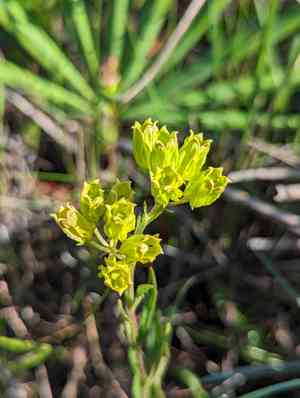
Savannah milkweed thrives when relocated from the beginning to the end of spring, benefiting from ideal soil dampness and moderate warmth. Choose a bright spot with soil that drains effectively for superior outcomes. Be sure to manage roots carefully to lessen shock.
Necessary Preparations Before Relocating Savannah Milkweed?
Optimal Period for Relocating Savannah Milkweed?
The best time for relocating savannah milkweed is during the initial to middle spring season. This timing ensures the perennial plant benefits from moderate temperatures and consistent moisture, vital for developing robust roots. Transplanting at this point allows savannah milkweed to fully utilize the growing season, fostering strong development and better adaptation to its new spot.
Required Spacing Between Savannah Milkweed Plants?
For relocating savannah milkweed, position each plant 18-24 inches (45-60 cm) apart. This provides ample room for growth without crowding.
Ideal Soil Mixture for Savannah Milkweed Relocation?
Prepare well-draining soil enriched with compost for savannah milkweed. Ensure the soil is light and sandy, and incorporate a balanced base fertilizer for a strong start.
Recommended Location for Your Savannah Milkweed?
Select a sunny location for savannah milkweed, as it thrives best in full sunlight. Ensure the site receives at least 6-8 hours of direct sunlight daily.
Equipment Needed Before Relocating Savannah Milkweed?
Gardening Gloves
To safeguard your hands while handling soil and the plant.
Shovel or Spade
For excavating around and lifting the savannah milkweed plant from its original spot.
Hand Trowel
For creating holes in the new planting area.
Watering Can or Hose
To hydrate the plant before and after relocation.
Pruning Shears
To trim any damaged or excess foliage.
Mulch
To retain moisture and safeguard the plant post-relocation.
Method for Extracting Savannah Milkweed from the Soil?
Method for Extracting Savannah Milkweed from the Soil?
From Ground: First, hydrate the savannah milkweed plant to moisten the soil. Then, excavate a wide trench around the plant using a shovel or spade, ensuring the plant's root ball remains intact. Carefully work the spade beneath the root ball to lift the plant from its initial location.From Pot: Begin by gently watering the savannah milkweed plant to loosen the soil. Invert the pot while supporting the plant with your hand. Tap the pot's base to release the soil and root ball. If the plant resists, run a knife along the pot's edges to free it.From Seedling Tray: Water the seedlings to make the soil damp. Use a small tool or your fingers to gently loosen the soil around the savannah milkweed seedlings. Carefully lift the seedlings by holding the leaves, not the delicate stems, to prevent harm.
Step-by-Step Instructions for Relocating Savannah Milkweed
Prepare the New Site
Ensure the new planting location is ready before extracting the savannah milkweed plant from its original spot. Dig a hole that is twice the width and the same depth as the root ball.
Remove the Plant
Carefully extract the savannah milkweed plant from its original location following the specific removal process mentioned above, ensuring minimal disruption to the root system.
Inspect the Roots
Examine the roots for any indications of disease or damage. Trim any dead or compromised roots using pruning shears.
Plant in New Location
Position the savannah milkweed plant in the prepared hole, ensuring the top of the root ball is level with the ground. Fill the hole with soil, gently firming it around the roots to eliminate air pockets.
Water Thoroughly
Once planted, water the savannah milkweed thoroughly to help settle the soil and establish contact between roots and soil.
Apply Mulch
Add a layer of mulch around the plant, keeping it away from the stem, to retain moisture and suppress weeds.
Post-Relocation Care for Savannah Milkweed?
Watering
Keep the soil around the savannah milkweed consistently moist, but not waterlogged, for the initial few weeks after relocation to aid in developing strong roots.
Monitoring
Observe the savannah milkweed for signs of distress, such as wilting or yellowing leaves, and address any issues promptly.
Mulching
Maintain the mulch layer to conserve soil moisture and protect the roots.
Pruning
Lightly trim any damaged or dead foliage to encourage healthy growth.
Resolving Common Issues with Savannah Milkweed Relocation.
When is the optimal time to relocate savannah milkweed?
The best time to relocate savannah milkweed is from early spring to late spring.
What spacing should be provided between each savannah milkweed plant?
Space each savannah milkweed plant 18-24 inches (45-60 cm) apart for optimal growth.
What soil type does savannah milkweed prefer for relocation?
Savannah milkweed prefers well-drained soil with a neutral to slightly acidic pH.
How should I prepare the soil before relocating savannah milkweed?
Loosen the soil to a depth of 12 inches (30 cm) and mix in compost.
How to handle savannah milkweed roots during relocation?
Carefully handle savannah milkweed roots to avoid damage; keep as much of the root ball intact.
What should I do immediately after relocating savannah milkweed?
Water thoroughly and apply mulch to retain moisture around the relocated savannah milkweed.
How can I minimize transplant shock for savannah milkweed?
Relocate savannah milkweed on a cloudy day or in the evening to minimize stress and shock.
How deep should savannah milkweed be relocated?
Plant savannah milkweed at the same depth as it was in its previous location or container.
What if I notice yellowing leaves on my relocated savannah milkweed?
Yellowing leaves may indicate overwatering or poor drainage; adjust watering and check soil drainage.
How often should I water savannah milkweed after relocating?
Keep the soil consistently moist for the first few weeks, then water as needed based on weather.



