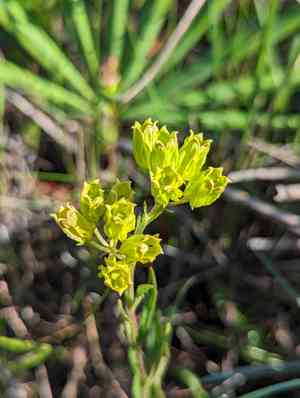
Savannah milkweed (Asclepias pedicellata)
Also known as: Savannah Milkweed, Few-Flowered Milkweed
Milkweed, particularly Asclepias species, is a wildflower recognized for its clusters of pink-purple blooms that draw in butterflies and bees. This perennial plant has slender stems and narrow leaves arranged in whorls, contributing to its graceful look. Flourishing in open prairies and meadows, milkweed prefers well-drained soils and uses its deep root system to thrive in sunny areas. A notable feature of milkweed is its milky sap, which serves as a defense against herbivores.
In This Article
Attributes of Savannah milkweed
Lifespan
Perennial
Plant Type
Herb
Plant Height
30 cm
Spread
15 cm
Leaf Color
Green
Flower Size
Less than 1 inch (2.5 cm)
Flower Color
Yellow, Greenish-yellow
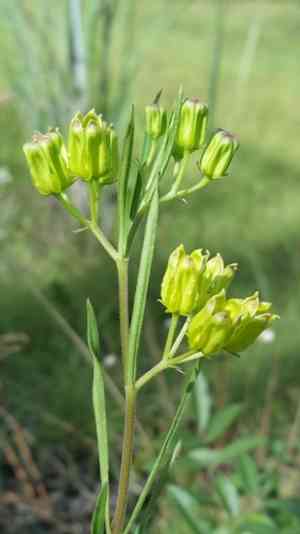
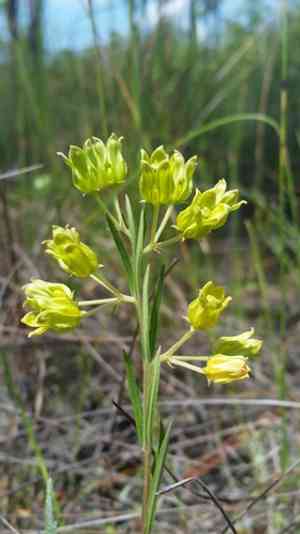
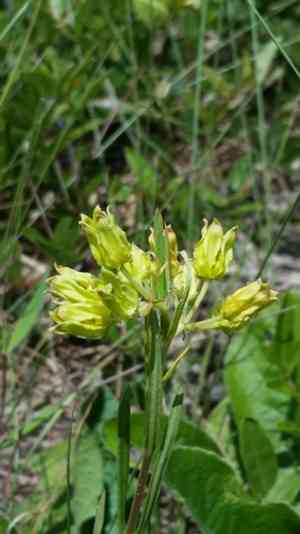
Images of Savannah milkweed
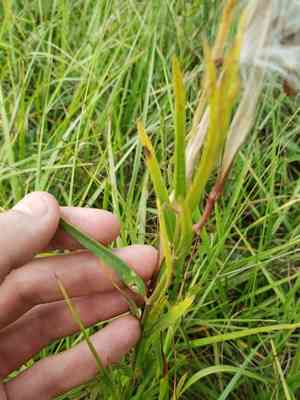
Quickly Identify Savannah milkweed
1
Asclepias pedicellata can be identified by its slender, upright stems and narrow, linear leaves. The flowers are small and typically yellow or greenish-yellow, arranged in loose clusters.
Scientific Classification of Savannah milkweed
Phylum
Vascular plants
Class
Dicotyledons
Order
Gentianales
Family
Dogbane
Genus
Milkweeds
Species
Savannah milkweed
Planting and Growing of Savannah milkweed
Care Difficulty
Easy
Watering Schedule
Every 2 days
Sunlight Requirements
Full sun
Sunshine Duration
6-8 hours
Ideal Temperature
68-77℉
Soil Type
Potting Mix, Peat Mix
Soil pH
6.5-7.5
Fertilizer Type
Balanced
Pruning Season
Spring, Summer
Pruning Area
Branches, Leaves
Pruning Frequency
2 times a year
Repotting Season
Spring
Pot Type
Plastic, Terracotta
 How to Water Savannah milkweed?
For Asclepias pedicellata, watering should aim to moisten the soil thoroughly but not leave it soggy. Use approximately 250 ml of water until you notice some drainage from the pot's bottom. Ensure the soil feels damp to a depth of about an inch to support its moisture-loving nature.
What are the symptoms of an underwatered Savannah milkweed?
›
What should I do if my Savannah milkweed is not getting enough water?
›
What are the symptoms of an overwatered Savannah milkweed?
›
How to save an overwatered Savannah milkweed?
›
 What Are the Sunlight Requirements for Savannah milkweed?
For optimal growth, Asclepias pedicellata prefers full to partial sun. Ideal light promotes strong stem growth, robust flowering, and better resistance to pests and diseases.
What is the best type of light for Asclepias pedicellata?
›
How can I ensure Asclepias pedicellata receives adequate light?
›
Why is ideal light important for Asclepias pedicellata?
›
 What Is the Ideal Temperature Range for Savannah milkweed?
The ideal temperature range for Asclepias pedicellata, commonly known as savannah milkweed, is between 68°F and 77°F. Within this temperature range, the plant can thrive, displaying optimal growth and healthy development. At these temperatures, both photosynthesis and other physiological activities of the plant function efficiently.
 What Soil is Best for Savannah milkweed?
Asclepias pedicellata thrives in well-draining soils that prevent waterlogging, which can lead to root rot. This type of soil ensures adequate air circulation around the roots, promoting healthy plant growth. This plant benefits from nutrient-rich soil, which supports its growth and flowering. Incorporating organic matter can enhance the soil’s fertility, providing essential nutrients for robust development. Although Asclepias pedicellata prefers dry conditions, maintaining moderate moisture levels without saturation helps in sustaining its growth for optimum health and resilience against droughts.
 How to Fertilize Savannah milkweed?
Asclepias pedicellata, commonly known as the savanna milkweed, requires a balanced approach to fertilization. A liquid fertilizer should be applied at a quarter strength to avoid burning the roots. The quantity for each application should not exceed one tablespoon per gallon of water.
 How to Prune Savannah milkweed?
Begin by sterilizing your pruning shears to prevent any disease transmission. Identify dead or diseased stems, and remove them at their base to allow for new growth. Trim back any overgrown shoots to maintain the plant's desired shape and encourage bushier growth. Aim to cut just above a leaf node, as this will stimulate new branching. Monitor the plant's overall balance and appearance as you prune, ensuring an even and symmetrical form.
More About Pruning Techniques→
 How to Propagate Savannah milkweed plant?
1
Start by soaking Asclepias pedicellata seeds in warm water for 24 hours. This process helps to soften the seed coat and enhance germination rates once they are planted in seed trays.
2
Cut 4-6 inches of healthy stem from the parent plant during late spring. Ensure that you make the cut just below a node, which is crucial for root development.
3
Once the seedlings or cuttings have established roots, they can be transferred to individual pots. Hardening off the plants before moving them outdoors is necessary for adapting to the new environment.
 How to Repot Savannah milkweed plant?
1
Repot Asclepias pedicellata when you observe roots emerging from the drainage holes or the plant appears to be stunted. These are clear signals that it's time for a new home. It's ideal to repot during the growing seasons of spring or autumn to ensure the plant heals and adapts quickly.
2
Select a pot that is roughly 2 inches larger in diameter than the current one to allow room for growth. The pot should have ample drainage holes to prevent waterlogging, which could lead to root rot. A terracotta pot is recommended as it allows better moisture regulation through its porous material.
3
Opt for a well-draining, sandy soil mix to mimic the native habitat conditions of Asclepias pedicellata. This type of soil allows sufficient air to reach the roots and prevents water from pooling, significantly reducing the risk of root rot and promoting healthy growth.
Toxicity
Ingestion
WARNING
The judgment on toxicity and danger is for reference only. We DO NOT GUARANTEE any accuracy of such judgment. Therefore, you SHALL NOT rely on such judgment. It is IMPORTANT TO SEEK PROFESSIONAL ADVICE in advance when necessary.



