How to Propagate Savannah milkweed?
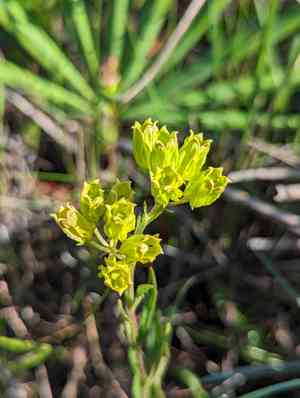
Savannah milkweed, a distinctive and fragile species within the milkweed genus, thrives predominantly in sandy, well-draining substrates. The most effective method for propagation involves directly planting seeds. Subject the seeds to a period of cold stratification to overcome dormancy. Maintain consistent soil moisture without oversaturation until sprouting begins. After seedlings emerge, progressively introduce them to complete sun exposure. Consistent inspection for infestations and appropriate spacing among individual plants will foster robust growth and maturation.
Optimal Period for Savannah Milkweed Propagation
Propagation Method
Seeding
Propagation Period
Spring
Essential Tools for Savannah Milkweed Propagation
Seed Trays
Seed trays are vital for germinating savannah milkweed seeds. They offer a controlled setting for initial growth and germination. Utilizing seed trays aids in proper seed organization and maintaining ideal conditions for sprouting.
Seed Starting Mix
A premium seed starting mix is critical for savannah milkweed. This blend is sterile and drains well, providing a healthy medium that supports robust seedling development and prevents damping-off disease, which can harm young plants.
Humidity Dome
Employing a humidity dome over seed trays helps maintain the necessary moisture levels for savannah milkweed seed germination. The dome creates a micro-environment that retains moisture and warmth, both crucial for successful seed sprouting.
Grow Lights
Grow lights are important for providing sufficient illumination for savannah milkweed seedlings, especially when grown indoors or during periods of low light. They ensure seedlings receive the correct light spectrum and intensity needed for strong, healthy development.
Watering Can with Fine Rose
A watering can equipped with a fine rose attachment is perfect for gently irrigating savannah milkweed seedlings. This tool prevents disturbing young seeds and seedlings, ensuring consistent moisture without over-watering or causing damage.
Heating Mat
A heating mat placed beneath seed trays can provide warmth from below, which benefits savannah milkweed seed germination. Consistent warmth accelerates sprouting and enhances the overall success rate of propagation.
Labeling Tags
Labeling tags assist in tracking different batches and dates of savannah milkweed seeds being propagated. This is especially useful for monitoring germination rates and progress, ensuring accurate record-keeping and improved management.
How to Propagate Savannah Milkweed?
Propagation Type
Simple
How to Nurture Your Newly Propagated Savannah Milkweed?
How to Nurture Your Newly Propagated Savannah Milkweed?
Once savannah milkweed seedlings have developed their initial true leaves, transfer them into individual containers or a prepared garden bed with well-draining soil. Provide full sunlight and water the plants moderately, ensuring the soil remains moist but not waterlogged. Apply mulch around the plant bases to retain moisture and suppress weeds. Monitor for pests and diseases, and implement appropriate controls if necessary. Savannah milkweed thrives in conditions that mimic its natural habitat, so maintaining these care practices is vital for healthy growth and blooming.
Common Errors to Avoid When Propagating Savannah Milkweed
Inappropriate Soil Type
Using dense, clay-rich soil instead of well-drained sandy or loamy soil can lead to poor drainage and root decay.
Excessive Watering
Providing too much water can result in root rot as savannah milkweed prefers drier conditions once established.
Insufficient Sunlight
Placing savannah milkweed in a shaded area prevents it from receiving the full sun it requires for optimal growth, leading to weak, elongated plants.
Incorrect Cutting Technique
Failing to use clean, sharp tools can lead to disease and poor healing at the cut sites.
Overcrowded Planting
Planting too close together can restrict airflow and increase the likelihood of fungal diseases or infections.
Advice for Propagating Savannah Milkweed
Well-Draining Soil
Utilize a sandy or loamy soil mix to ensure proper drainage and minimize the risk of root rot.
Moderate Watering
Water the plant sparingly, allowing the soil to dry out between waterings to replicate its native arid conditions.
Full Sun Exposure
Position savannah milkweed in a location where it can receive full sunlight, which is crucial for its growth and flower production.
Clean Tools
Always use clean, sharp tools when taking cuttings to prevent disease and promote proper healing.
Spacing
Ensure adequate space between plants to encourage good air circulation and reduce disease risks.



