How to Prune Savannah milkweed?
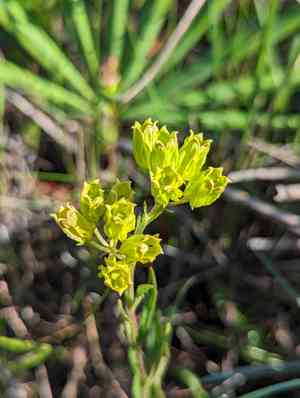
Savannah milkweed, recognized for its unique groupings of tiny, light yellow blossoms, flourishes with appropriate trimming. For optimal outcomes, perform pruning in early spring or late winter while the plant is inactive to stimulate robust development. Eliminate deceased or compromised stalks and any faded flowers to foster fresh blooms. Trimming aids in averting ailments and preserving a pleasing form. It also benefits air movement surrounding the plant, diminishing the likelihood of fungal ailments. Regular pruning can boost general vitality and visual charm.
What Are the Benefits of Pruning Savannah Milkweed?
What Are the Benefits of Pruning Savannah Milkweed?
Trimming savannah milkweed promotes vigorous development and helps maintain its form. Regular trimming encourages robust growth, enhances blooming, manages size, improves appearance, and boosts resistance to pests and illnesses.
What Is the Best Time for Pruning Savannah Milkweed?
What Is the Best Time for Pruning Savannah Milkweed?
Trimming or cutting back savannah milkweed in early spring or late winter is optimal as these periods coincide with the plantâs dormant phase. Pruning during dormancy minimizes plant stress and allows for strong new growth when the cycle resumes in spring. It also lowers the risk of disease and pest infestations, which are more common in warmer months. By pruning savannah milkweed before active growth, gardeners can effectively shape the plant and encourage healthy flowering and foliage development.
What Tools Do I Need to Prune Savannah Milkweed?
Hand Pruners
Hand pruners are perfect for savannah milkweed, enabling precise cuts. This minimizes harm to delicate stems and ensures healthy regrowth.
Bypass Pruners
Bypass pruners deliver clean cuts without crushing plant tissue. They are ideal for removing dead or damaged stems on savannah milkweed.
Pruning Shears
Pruning shears are useful for cutting through thicker stems if savannah milkweed grows larger. They provide more leverage for tougher cuts compared to hand pruners.
Sterilizing Solution
A sterilizing solution for cleaning tools before and after use is crucial to prevent the spread of any potential diseases.
How to Prune Savannah Milkweed
Inspection
Examine the plant thoroughly to identify any diseased or withered leaves. Use clean, sharp pruning shears to avoid damaging the plant.
Cleaning tools
Disinfect pruning shears with a solution of one part bleach and nine parts water to prevent the spread of disease.
Pruning diseased leaves
Carefully prune any leaves that show signs of disease. Cut close to the base of the leaf, ensuring to remove all affected areas.
Pruning withered leaves
Trim away withered leaves by cutting close to the stem, being careful not to damage healthy parts of the plant.
Disposal
Dispose of all pruned leaves properly to prevent any potential spread of disease. Do not compost diseased materials.
Common Pruning Mistakes with Savannah Milkweed
Improper Timing
One of the most frequent errors is pruning at the wrong time, which can hinder savannah milkweed's growth and flowering.
Excessive Pruning
Pruning too much of the plant can stress savannah milkweed, leading to weakened growth and reduced resilience against pests and diseases.
Incorrect Technique
Using dull or dirty tools can cause ragged cuts that make savannah milkweed susceptible to infections.
Pruning Healthy Growth
Removing healthy stems and leaves unnecessarily can deprive savannah milkweed of its photosynthetic capacity, impacting overall health.
Common Pruning Tips for Savannah Milkweed
Use Sharp, Clean Tools
Always use sharp and sterilized pruning shears to make clean cuts that heal quickly, reducing the risk of disease.
Focus on Dead or Damaged Stems
Prioritize removing dead, damaged, or diseased stems to encourage healthy growth and better air circulation.
Prune Sparingly
Avoid cutting back more than 25-30% of savannah milkweed at any one time to prevent undue stress on the plant.
Encourage Air Flow
Thin out overcrowded areas to improve air circulation, which helps prevent fungal diseases and promotes robust growth.



