How to Transplant Bract milkweed?
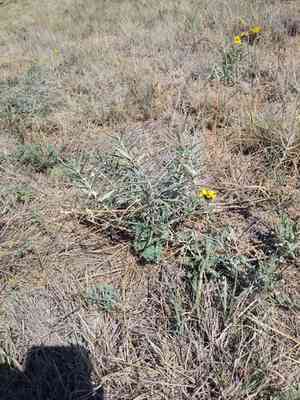
For bract milkweed, the most favorable time for relocation extends from the initial cool bud phase of early spring through the lively period of late spring, and also from the tranquil slumber of early winter to the peaceful conclusion of late winter. Select bright, adequately draining spots.
What Preparations are Needed Before Transplanting Bract Milkweed?
What is the Ideal Time for Transplanting Bract Milkweed?
Moving bract milkweed during early to late spring or early to late winter provides prime conditions for root establishment. In these periods, the soil is suitably warm and moisture levels are balanced, promoting root growth and minimizing transplant shock. The plant benefits from a growth advantage before summer's heat or winter's cold.
How Much Space Should You Leave Between Bract Milkweed Plants?
Ensure bract milkweed are spaced 18-24 inches (45-60 cm) apart to allow ample room for growth. Proper spacing enhances air circulation and lowers disease risk.
What is the Best Soil Mix for Bract Milkweed Transplanting?
Prepare the soil by ensuring good drainage. Incorporate organic compost and a balanced base fertilizer suitable for perennials to boost soil fertility, improving bract milkweed's growth.
Where Should You Relocate Your Bract Milkweed?
Select a sunny location for bract milkweed as it thrives in full sunlight. Aim for at least 6 hours of direct sun daily to ensure robust and healthy plant development.
What Equipments Should You Prepare Before Transplantation Bract Milkweed?
Gardening Gloves
To safeguard your hands while handling soil and plants.
Shovel or Spade
For digging around the plant and extracting it from its original spot.
Trowel
Used for excavating smaller holes and carefully managing the plant.
Watering Can
To hydrate the plant both before and after relocation.
Wheelbarrow or Large Container
For securely moving the plant to its new site.
Stakes and Ties
To offer support for the plant post-transplant, if necessary.
How Do You Remove Bract Milkweed from the Soil?
How Do You Remove Bract Milkweed from the Soil?
From Ground: First, water the bract milkweed plant to moisten the soil. Then, dig a wide trench around the plant using a shovel or spade, ensuring the plant's root ball stays intact. Carefully work the spade beneath the root ball to lift the plant from its original location.From Pot: Water the bract milkweed plant thoroughly before removal. Gently turn the pot on its side and tap the bottom to loosen the plant. Carefully slide the plant out, keeping the root ball intact. If the plant is root-bound, gently separate the roots before transplanting.From Seedling Tray: Water the bract milkweed seedling lightly before removal. Use a trowel or your fingers to gently lift the seedling from the tray, being careful not to harm the delicate roots. Handle the seedling by the leaves rather than the stem to prevent damage.
Step-by-Step Guide for Transplanting Bract Milkweed
Site Preparation
Choose an appropriate spot for your bract milkweed plant. Prepare the area by clearing any debris and loosening the soil where the plant will be placed.
Digging the Hole
Excavate a hole in the prepared location that is twice as wide and the same depth as the root ball of your bract milkweed plant.
Placing the Plant
Position the bract milkweed plant in the hole, ensuring it sits at the same depth as it was in its original location. Backfill the hole around the root ball with soil, gently pressing down to remove air pockets.
Watering
Water the plant thoroughly immediately after transplanting to help settle the soil and reduce transplant shock.
Support
If needed, use stakes and ties to support the bract milkweed plant in its new location until it is established.
How Do You Care For Bract Milkweed After Transplanting?
Watering
Keep the soil around the bract milkweed consistently moist, but not waterlogged, for the initial weeks after transplanting to aid in strong root establishment.
Mulching
Apply a layer of mulch around the base of the bract milkweed plant to help retain moisture, regulate soil temperature, and suppress weeds.
Monitoring
Observe the bract milkweed plant for signs of stress or pests. Address any issues promptly to ensure successful establishment.
Fertilizing
Wait a few weeks after transplanting before applying any fertilizer to allow the bract milkweed plant time to adjust to its new environment. Use a balanced, slow-release fertilizer as needed.
Troubleshooting Common Issues with Bract Milkweed Transplantation.
When is the best time to transplant bract milkweed?
The optimal period to transplant bract milkweed is from early spring to late spring and early winter to late winter.
How far apart should I space bract milkweed plants?
When relocating bract milkweed, space them 18-24 inches (45-60 cm) apart for ideal growth.
Why are my transplanted bract milkweed wilting?
Wilting can be a symptom of transplant shock. Ensure adequate watering and avoid intense sun until established.
How much water do transplanted bract milkweed need?
Water transplanted bract milkweed deeply and regularly, especially during the first few weeks to minimize transplant shock.
Should I amend soil when transplanting bract milkweed?
Yes, incorporating compost into the soil during transplanting can enhance drainage and nutrient availability.
What soil type is best for bract milkweed?
Bract milkweed prefers well-draining soil. Sandy or loamy soils are ideal for healthy root development.
How to handle root-bound bract milkweed before transplanting?
Gently loosen the roots of root-bound bract milkweed before transplanting to encourage new growth and establishment.
Why are leaves of transplanted bract milkweed turning yellow?
Yellowing leaves can indicate overwatering or poor drainage. Check soil moisture and adjust watering accordingly.
How should I prepare the planting hole for bract milkweed?
Dig a hole twice as wide and the same depth as the root ball to allow easy root spread.
Can I transplant bract milkweed during summer?
Relocating bract milkweed during summer is risky due to heat stress. Adhere to the recommended seasons for best outcomes.



