How to Propagate Bract milkweed?
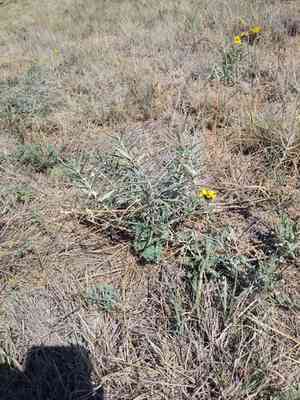
Asclepias bracteata, a perennial species indigenous to North American prairies, is recognized for its ornamental bracts and vital contribution to pollinator sustenance. Effective propagation of Asclepias bracteata is achieved by planting seeds in adequately drained soil with moderate hydration. Gently cover the seeds with substrate and ensure they remain damp, but not oversaturated. Germination can be protracted, so perseverance is crucial. Applying mulch aids in moisture retention and bolsters nascent plants.
Optimal Period for Bract Milkweed Propagation
Propagation Method
Seeding
Propagation Period
Spring
Equipment for Bract Milkweed Propagation
Seed Trays
These are vital for germinating bract milkweed seeds, offering a controlled setting for sprouting. Seed trays assist in maintaining ideal moisture levels and promoting root growth through proper drainage.
Seedling Heat Mat
A heat mat guarantees a consistent soil temperature, which is critical for bract milkweed seed germination. The warmth encourages faster and more uniform sprouting, especially beneficial for plants like bract milkweed that may need warmer conditions.
Humidity Dome
A humidity dome placed over the seed tray helps maintain elevated humidity levels, crucial for seed germination. High humidity prevents seeds from drying out, creating an ideal microenvironment for bract milkweed.
Fine Mist Spray Bottle
A fine mist spray bottle is utilized to keep the soil surface consistently moist without disturbing the seeds. This is important for bract milkweed to ensure even moisture distribution without washing away the seeds.
Soilless Seed Starting Mix
Employing a soilless seed starting mix provides a sterile, pathogen-free medium, ensuring bract milkweed seeds have the best chance for healthy germination. The mix is lightweight, aiding root penetration and preventing compaction.
Plant Labels
Labels are important for distinguishing different seedlings to prevent confusion, especially when managing multiple trays. Proper labeling ensures bract milkweed seedlings are correctly identified during transplantation stages.
Grow Lights
Supplying sufficient light is essential for the healthy development of bract milkweed seedlings. Grow lights mimic natural sunlight, ensuring the seedlings develop strong stems and healthy leaves.
Seedling Trays with Individual Cells
These trays enable easy separation of individual seedlings without harming their roots. This is particularly important when preparing young bract milkweed plants for transplantation, fostering better root health and growth.
How to Propagate Bract Milkweed?
Propagation Difficulty
Simple
Post-Propagation Care for Bract Milkweed
Post-Propagation Care for Bract Milkweed
Following transplantation, water bract milkweed regularly during its establishment phase, ensuring the soil stays moist but not waterlogged. Apply mulch around the plant's base to help retain moisture and suppress weeds. As bract milkweed is drought-tolerant once established, reduce watering frequency. Monitor for pests and diseases, and prune any damaged or diseased parts of the plant. Fertilize sparingly, as bract milkweed prefers poor to moderately fertile soils.
Common Errors to Avoid When Propagating Bract Milkweed
Overwatering
Excessive irrigation can lead to root rot, which is detrimental to bract milkweed's growth and propagation success.
Poor Soil Quality
Using compacted or nutrient-deficient soil can impede root development, affecting bract milkweed's ability to thrive.
Improper Light Conditions
Providing either too much or too little light can stress bract milkweed, leading to poor growth and weak propagation results.
Inadequate Drainage
Without proper drainage, water can accumulate around the roots, causing root rot and reducing the chances of successful propagation.
Neglecting Pest Control
Failing to monitor and control pests can lead to infestations that harm bract milkweed and impede its growth.
Advice for Propagating Bract Milkweed
Utilize Well-Draining Soil
Ensure the soil mix is loose and drains effectively to prevent waterlogging and root rot.
Moderate Watering
Water sparingly and only when the top inch of soil feels dry to the touch to avoid overwatering.
Provide Bright, Indirect Light
Place bract milkweed in a location where it receives ample indirect sunlight to promote healthy growth.
Monitor for Pests
Regularly inspect bract milkweed for signs of pests and take appropriate measures to manage any infestations promptly.
Maintain Temperature Control
Keep bract milkweed in a stable environment, avoiding extreme temperature fluctuations to foster consistent growth.



