How to Prune Bract milkweed?
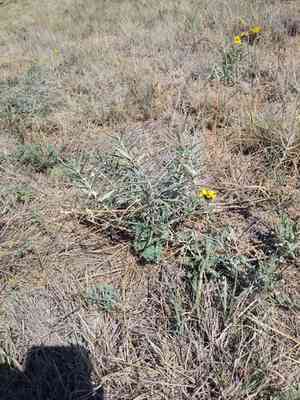
Bract milkweed, recognized for its distinctive leaves and impressive flowers, thrives with trimming to foster vigorous development and increased blossoming. Essential methods involve eliminating deceased or compromised stalks and shortening any elongated stems. The ideal period for pruning is in early spring or late winter, coinciding with the plant's developmental phase. Consistent trimming improves air movement, lowering the likelihood of illness and encouraging a sturdier plant framework. Always employ sanitized, keen implements to avert any potential contagions.
What Are the Benefits of Pruning Bract Milkweed?
What Are the Benefits of Pruning Bract Milkweed?
Trimming bract milkweed encourages robust development and maintains its form, fostering vigorous growth and an attractive overall look. Regular trimming also boosts flowering, manages plant size, and prevents issues with pests and diseases.
What Is the Best Time for Pruning Bract Milkweed?
What Is the Best Time for Pruning Bract Milkweed?
Trimming bract milkweed in early spring or late winter is ideal, allowing the plant to recover before its active growth period. During these seasons, bract milkweed is dormant or just emerging, minimizing stress and potential harm. This practice ensures bract milkweed can focus energy on producing healthy new growth instead of repairing cuts. Additionally, pruning bract milkweed before active growth supports better air circulation and sunlight penetration, vital for disease prevention and overall plant health.
What Tools Do I Need to Prune Bract Milkweed?
Hand pruners
Crucial for precise cuts on smaller stems and branches. Their compact size and sharp blades facilitate clean cuts without harming the plant.
Bypass pruners
Perfect for cutting live, softer stems, ensuring the plant stays healthy. The scissor-like action is less likely to crush stems.
Pruning shears
Useful for trimming multiple stems simultaneously or for cutting slightly thicker stems that are too tough for hand pruners.
Gloves
Protect hands from potential irritants or thorns when handling various parts of bract milkweed. Select durable gloves offering good dexterity.
How to Prune Bract Milkweed
Inspection
Check the plant for any indications of diseased or withered leaves, ensuring accurate identification before proceeding.
Tools
Utilize clean, sterilized pruning shears to prevent disease transmission and ensure a clean cut.
Diseased leaves removal
Carefully snip off any diseased leaves from bract milkweed, making sure to remove them entirely to prevent further infection.
Withered leaves removal
Trim the withered leaves by cutting them at the base near the stem to encourage healthy growth and enhance plant appearance.
Disposal
Discard the pruned diseased and withered leaves away from the plant area to avoid re-infection or disease spread.
Common Pruning Mistakes with Bract Milkweed
Incorrect technique
Using dull tools or making jagged cuts can harm bract milkweed and invite diseases.
Timing errors
Pruning at unsuitable times can disrupt bract milkweed's growth cycle, stressing the plant.
Excessive pruning
Removing too much foliage can weaken bract milkweed and reduce its flowering capacity.
Neglecting sanitation
Failing to clean tools between cuts can spread pathogens and pests to bract milkweed.
Ignoring plant structure
Randomly cutting branches without considering bract milkweed's natural growth habit can lead to an irregular shape and poor airflow.
Common Pruning Tips for Bract Milkweed
Use sharp, clean tools
Ensure all pruning shears and scissors are sharp and sterilized to make clean cuts on bract milkweed.
Prune for shape
Trim bract milkweed to maintain its natural structure, removing any dead or crossing branches to promote good airflow.
Promote blooming
Lightly prune to encourage more blooms, focusing on removing older or faded flowers.
Monitor plant health
Regularly inspect bract milkweed for signs of disease or pests and remove any affected areas promptly.



