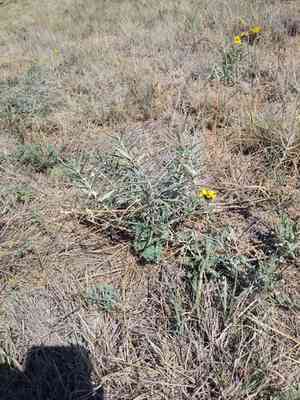
Bract milkweed (Asclepias brachystephana)
Also known as: Short-crowned Milkweed
Bract milkweed (Asclepias brachystephana) thrives in arid environments due to its distinctive adaptations. Its deep root system allows it to tap into underground water sources, while its small, narrow leaves minimize water loss. The waxy leaf coating further conserves moisture. Additionally, the plant's drought tolerance enables it to endure extended dry spells. Its milky sap, typical of the Asclepias genus, provides a defense mechanism and supports butterfly populations.
In This Article
Attributes of Bract milkweed
Lifespan
Perennial
Plant Type
Herb
Plant Height
0 mm to 30 cm
Spread
Not applicable (herbaceous plant)
Leaf Color
Green
Flower Size
1-2 cm
Flower Color
Greenish-white
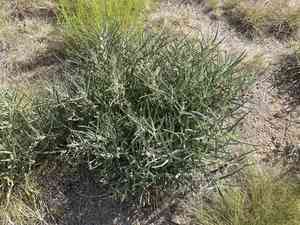
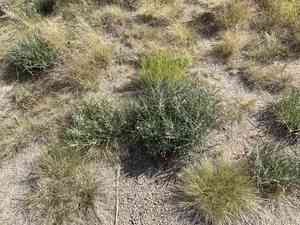
Images of Bract milkweed
Quickly Identify Bract milkweed
1
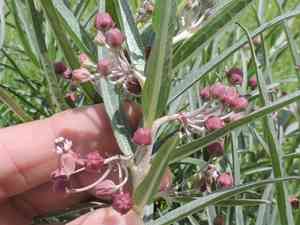
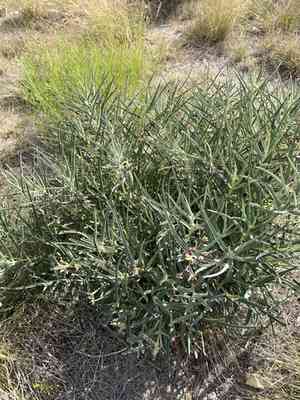
Look for a short, herbaceous plant with narrow leaves that are arranged opposite on the stem. The small flowers are greenish-white and appear in clusters. The plant secretes a milky latex when damaged.
Scientific Classification of Bract milkweed
Phylum
Vascular plants
Class
Dicotyledons
Order
Gentianales
Family
Dogbane
Genus
Milkweeds
Species
Bract milkweed
Planting and Growing of Bract milkweed
Care Difficulty
Moderate
Watering Schedule
Every day
Sunlight Requirements
Full sun
Sunshine Duration
4-8 hours
Ideal Temperature
65-75℉
Soil Type
Potting Mix, Peat Mix
Soil pH
6.5-7.5
Fertilizer Type
Balanced
Pruning Season
Spring, Summer
Pruning Area
Branches, Leaves
Pruning Frequency
2 times a year
Repotting Season
Spring
Pot Type
Plastic, Ceramic
 How to Water Bract milkweed?
For Asclepias brachystephana, ensure the soil is moist but not soggy. Water until 250 ml of water has been absorbed and drains from the bottom of the pot. This helps maintain the right balance without risking root rot.
What are the symptoms of an underwatered Bract milkweed?
›
What should I do if my Bract milkweed is not getting enough water?
›
What are the symptoms of an overwatered Bract milkweed?
›
How to save an overwatered Bract milkweed?
›
 What Are the Sunlight Requirements for Bract milkweed?
Asclepias brachystephana thrives in full sun to partial sun. Consistent exposure to this light range enhances its ability to photosynthesize, resulting in healthier growth, vibrant leaf coloration, and prolific blooming.
What is the ideal sunlight exposure for Asclepias brachystephana?
›
How can I optimize light conditions in my garden for this plant?
›
What benefits result from providing the ideal lighting conditions?
›
 What Is the Ideal Temperature Range for Bract milkweed?
The ideal temperature range for Asclepias brachystephana growth is between 65°F and 75°F. This range allows for optimal metabolic activity and photosynthesis, ensuring healthy plant development. Maintaining this temperature range can enhance flowering and seed production.
 What Soil is Best for Bract milkweed?
Asclepias brachystephana thrives in well-drained soils that prevent root rot. Ensuring good drainage is critical as it allows excess water to escape, reducing the risk of fungal issues and promoting healthy root growth. This is especially beneficial in its native desert-like environment. This plant benefits from soil enriched with organic matter, which boosts nutrient availability. Such composition supports vigorous growth and flowering by providing essential nutrients, contributing to the plant's robust health and resilience. Maintaining moderate moisture levels in the soil benefits Asclepias brachystephana by supporting its requirement for some hydration without being waterlogged. This balance is vital for its survival and optimal growth, especially in its natural, arid habitats.
 How to Fertilize Bract milkweed?
When fertilizing Asclepias brachystephana, it's important to use a balanced, diluted liquid fertilizer. Usually, a solution of 1/4 strength of a general-purpose fertilizer is just right. Avoid over-saturating the soil as it can lead to root damage, and always follow the recommended dosage on the fertilizer label.
 How to Prune Bract milkweed?
Begin by identifying any stems that are discolored or appear wilted. These could be harboring disease or just spent. Gently grasp each suspect stem and cut it back to healthy tissue or to the base if the entire stem is compromised. Next, focus on shaping the plant. Trim back overgrown branches that disrupt the plant's natural shape. Such trimming not only helps maintain aesthetics but also guarantees optimal light reaching interior parts of the plant. After you’ve finished with corrective pruning, make small cuts just above a set of leaves or buds on healthy stems. This practice encourages bushier growth as new shoots will likely emerge from these points, creating a fuller plant.
More About Pruning Techniques→
 How to Propagate Bract milkweed plant?
1
Soak the seeds in warm water for 24 hours to soften the seed coat. This process helps improve germination rates by allowing moisture to penetrate the seeds more effectively.
2
Select healthy stems during the growing season and cut them just below a set of leaves. The cuttings should ideally be 4 to 6 inches long and free of any flowers or buds.
3
Dip the cut end of the cutting into a rooting hormone to promote root growth. Plant the cuttings in well-draining soil and keep them in a warm environment with indirect sunlight.
 How to Repot Bract milkweed plant?
1
Asclepias brachystephana should be repotted when you notice roots coming out of the drainage holes, which indicates it's root-bound. Another signal is slowed growth despite adequate care. Early spring and summer are ideal times as the plant enters an active growth phase, allowing it to recover faster from the stresses of repotting.
2
Choose a pot that is one size larger than the current one. A pot with drainage holes is crucial to prevent waterlogging, which can cause root rot. Terracotta pots are ideal as they allow the soil to dry out more between waterings, mimicking the plant's native dry conditions and giving the roots proper aeration.
3
A well-draining sandy soil mix is essential. This type of soil prevents water from accumulating around the roots, mimicking the natural desert environment of Asclepias brachystephana. The sandy texture also facilitates root expansion and provides ample aeration, promoting healthier growth.
Toxicity
Ingestion
WARNING
The judgment on toxicity and danger is for reference only. We DO NOT GUARANTEE any accuracy of such judgment. Therefore, you SHALL NOT rely on such judgment. It is IMPORTANT TO SEEK PROFESSIONAL ADVICE in advance when necessary.
Learn More About Bract milkweed Diseases
Anthracnose
Bacterial Leaf Spot
Bacterial Wilt
Crown Gall
Cyst Nematode
Damping-off
Downy Mildew
Drought Stress
Fusarium Wilt
Gray Mold
Leaf Spot
Mosaic
Nutrient Deficiency
Nutrient Toxicity
Powdery Mildew
Root Rot
Root-knot Nematode
Rusts
Sooty Mold
Spider Mites
Temperature Stress
Thrips Damage
White Mold



