How to Transplant Chempedak?
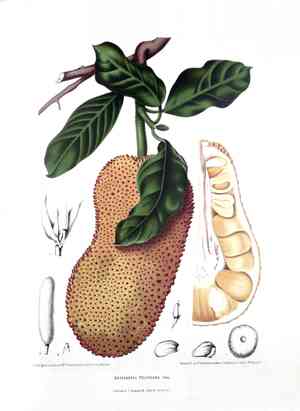
The ideal period for transplanting chempedak spans from early spring to the beginning of summer, capitalizing on robust development. Select a brightly lit location featuring soil that drains effectively. Prevent transplant stress by guaranteeing chempedak remains adequately watered throughout the relocation process.
What Preparations are Needed Before Transplanting Chempedak?
What is the Ideal Time for Transplanting Chempedak?
The optimal time for moving chempedak is during the vibrant period from early spring's onset to late spring's peak. Relocating at this time enables chempedak to develop strong roots prior to the demands of summer heat. Performing this task within the suggested timeframe ensures chempedak benefits from prime soil conditions, suitable moisture levels, and the mild spring weather conducive to development. This approach sets the stage for a successful transition, fostering a robust foundation for enduring vitality.
How Much Space Should You Leave Between Chempedak Plants?
When planning to transplant your chempedak, ensure ample distance between each specimen. A general guideline is approximately 25-30 feet (7.6-9.1 meters) apart. This spacing promotes adequate air circulation, sunlight exposure, and future growth without competition for resources.
What is the Best Soil Mix for Chempedak Transplanting?
Prior to transplanting chempedak, select a fertile, well-draining soil. You'll want to prepare the ground with a balanced fertilizer to give chempedak a strong start. Look for a mixture high in organic material to nourish the roots and support healthy development.
Where Should You Relocate Your Chempedak?
Your chempedak will flourish best in a bright location that receives full to partial sunlight throughout the day. Aim to select a site that gets at least 6 hours of direct sunlight daily to encourage vigorous growth and fruit production.
What Equipments Should You Prepare Before Transplantation Chempedak?
Spade or Shovel
To excavate around and lift the root ball of chempedak from its current spot.
Garden Fork
To loosen the soil surrounding chempedak's roots without causing excessive harm.
Gardening Gloves
To safeguard your hands while handling the soil and plant material.
Watering Can or Hose
To hydrate chempedak before and after its relocation.
Pruning Shears
To trim any damaged or overly long roots prior to transplanting.
Wheelbarrow or Tarp
To move the chempedak from its original position to the new planting site.
Stakes or Trellis
To offer support to chempedak if needed, depending on its size and current form.
How Do You Remove Chempedak from the Soil?
How Do You Remove Chempedak from the Soil?
From Ground: Start by watering the chempedak plant to ease soil removal. With a spade or shovel, dig a wide circle around the plant, being careful not to harm the root ball. Gently lift the plant, using a garden fork if necessary to help loosen the surrounding soil, preserving as much of the root system as possible.From Pot: Water your chempedak beforehand to moisten the soil, making extraction simpler. Carefully tilt the container and tap its sides to loosen the root ball. Gradually pull the plant out, supporting the main stem and roots to prevent breakage.From Seedling Tray: Lightly water the chempedak seedling to soften the growing medium. Use a spoon or a specialized transplanting tool to carefully lift the seedling from its compartment, ensuring the root ball remains intact and minimally disturbed.
Step-by-Step Guide for Transplanting Chempedak
Preparation
Ensure the transplant location is ready for chempedak, with a hole roughly twice the size of the root ball. Clear the area of weeds and debris, and have your watering can or hose nearby for immediate use.
Root Pruning
Trim any broken or excessively long roots with pruning shears to encourage healthy growth after transplanting. Be sure to handle the roots of chempedak with care to prevent shock.
Placing chempedak
Lower chempedak into the prepared hole, positioning it at the same depth it was in its previous spot. Orient the plant in the desired direction before backfilling the soil.
Soil Re-filling
Gently backfill the hole with soil around chempedak, taking care not to compact the soil too firmly, as this can impede root expansion. Ensure the plant is secured in an upright position.
Watering
Water the transplanted chempedak thoroughly to help settle the soil around the root ball and eliminate air pockets. This hydration is crucial for assisting chempedak in its recovery and establishment.
Staking
If chempedak is large or its structure requires it, gently insert stakes into the ground and loosely tie the plant to them for additional support. Use soft materials to prevent damage to the stem.
How Do You Care For Chempedak After Transplanting?
Monitoring
Regularly check the soil moisture levels around chempedak and water sufficiently to prevent drying out. Keep an eye on the plantâs health and look for signs of transplant shock, which may appear as wilting or yellowing leaves.
Mulching
Apply a layer of organic mulch around the base of chempedak, keeping it away from the trunk. This helps maintain soil moisture and temperature, and reduces weed competition.
Pruning
Minimize pruning after transplanting to allow chempedak to focus on root establishment rather than foliage regrowth.
Troubleshooting Common Issues with Chempedak Transplantation.
Why is early to late spring the best time to transplant chempedak?
This period allows chempedak to establish in milder temperatures and benefit from spring rains before the heat of summer.
How far apart should chempedak be spaced when transplanting?
Allow room for growth by spacing chempedak 25-30 feet (7.6-9.1 meters) apart, ensuring adequate sunlight and airflow between trees.
What are the signs of transplant shock in chempedak?
Wilting, yellowing, or dropped leaves. Minimize shock by keeping roots moist and avoiding damage during transplant.
How much should I water chempedak after transplanting?
Water deeply right after transplanting and then regularly, allowing soil to dry slightly between waterings.
Should I prune chempedak during transplantation?
Light pruning can help reduce stress but is not essential. Focus on removing only damaged or dead limbs.
What type of soil is best for transplanting chempedak?
Use well-draining soil rich in organic matter. Avoid heavy clay or overly sandy soils for best results.
How deep should the hole be for transplanting chempedak?
Dig a hole twice the width of the root ball and the same depth to encourage root expansion.
Can I use fertilizers when transplanting chempedak?
Avoid strong fertilizers initially. Use a balanced, slow-release type a few months after establishing, if needed.
How to protect chempedak from pests during transplant?
Inspect regularly for signs of pests. Use organic pesticides only if necessary to avoid harming the young tree.
Why is my chempedak not thriving after transplant?
Ensure proper planting depth, watering, and soil conditions. Stress from transplantation may also temporarily stunt growth.



