How to Propagate Chempedak?
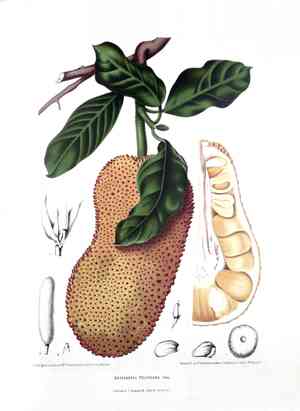
To multiply chempedak, begin with robust stem sections, choosing a segment possessing multiple nodes. These sections ought to measure between 6 and 12 inches long. Employ sharp, disinfected pruners to execute precise cuts, which aids in averting disease and fostering superior root formation. A rooting stimulant may be put on the severed tip to stimulate root growth, although it is not strictly necessary. Insert the cuttings into a growing substrate that drains effectively, making sure at least one node is submerged where roots will emerge. Maintain the soil consistently damp but not saturated, and offer diffused illumination until the cuttings have established roots.
When Is the Best Time to Propagate Chempedak?
Propagation Type
Cutting
Propagation Season
Autumn,Winter
What Tools Are Used in Chempedak Propagation?
Sharp Pruning Shears
Crucial for taking clean cuts from the chempedak parent plant, sharp pruning shears help ensure smooth, clean edges on cuttings, vital for preventing infection and encouraging healthy root development. Unsanitary or dull blades can harm tissues, leading to poor rooting and potential disease.
Rooting Hormone
Applying rooting hormone to the freshly cut ends of chempedak cuttings can significantly boost root growth and establishment. Rooting hormones contain synthetic auxins that mimic natural plant hormones, promoting quicker and more robust root formation, especially beneficial for species like chempedak that may root slowly or with difficulty.
Sterile Potting Mix
Utilizing a sterile potting mix for planting chempedak cuttings helps prevent diseases caused by soil pathogens. A well-draining, nutrient-rich mix supports initial growth by providing necessary support and aeration for developing roots. Additionally, its sterile nature ensures fragile new roots are not attacked by fungal or bacterial diseases.
Humidity Dome or Plastic Cover
Maintaining a high humidity environment around chempedak cuttings is crucial, especially during the initial rooting stages. A humidity dome or transparent plastic cover over the planting container helps retain air moisture, reducing water loss from cuttings and promoting successful rooting. The dome also helps maintain stable temperatures, facilitating optimal growth conditions.
Heat Mat
For propagating chempedak in cooler climates or during colder periods, a heat mat can be advantageous. It gently warms the soil, encouraging faster root growth and helping maintain an optimal growing temperature, which can significantly improve propagation success.
How to Propagate Chempedak?
Propagation Type
Moderately Difficult
How to Care for Your Newly Propagated Chempedak?
How to Care for Your Newly Propagated Chempedak?
Once chempedak cuttings establish roots and new growth appears, gradually acclimate them to their permanent growing conditions. Ensure the plant receives ample indirect light, consistent watering, and regular feeding with a balanced fertilizer. Monitor for pests and diseases frequently, and prune as needed to encourage a strong, healthy structure.
Common Mistakes to Avoid When Propagating Chempedak
Inadequate seed preparation
Chempedak seeds have a thick coat, requiring specific preparation methods to improve germination rates. Gardeners often skip these steps, resulting in poor germination.
Overwatering
Since chempedak is sensitive to overly wet conditions, excessive watering can lead to root rot. This error is particularly damaging as it can quickly kill young plants.
Incorrect soil composition
Using a soil mix that drains poorly or lacks sufficient nutrients can severely impact chempedak's health, hindering its growth and increasing its susceptibility to diseases.
Tips For Propagating Chempedak
Proper seed treatment
Before planting, soak chempedak seeds in water for at least 24 hours. This softens the seed coat, improving water absorption and germination rates.
Optimal watering practices
Maintain consistent soil moisture, ensuring it is damp but not waterlogged. This balance prevents root diseases while supporting healthy growth.
Soil and fertilization
Use a well-draining soil rich in organic matter. Adding compost or a balanced fertilizer promotes robust health and supports the vigorous growth of chempedak.



