How to Prune Chempedak?
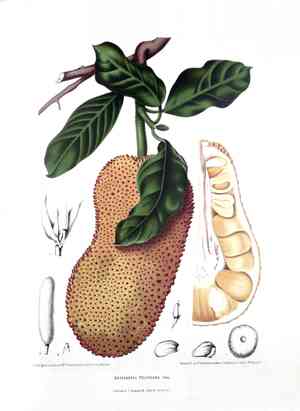
Cultivated frequently for its substantial, fragrant produce, chempedak is a tropical arboreal species that thrives with trimming to improve light access and airflow, thereby bolstering fruit yield. Essential pruning methods involve excising deceased or ailing branches, reducing crowded limbs, and molding the crown to preserve its structural soundness. The most effective time for pruning is during winter, the tree's inactive phase, to lessen strain and prevent excessive sap drainage. Trimming chempedak additionally stimulates fresh development, simplifies collection, and enhances the tree's general well-being.
What Are the Benefits of Pruning Chempedak?
What Are the Benefits of Pruning Chempedak?
Trimming chempedak aids in keeping its size manageable and stimulates robust growth, fostering healthier development and potentially higher yields.
What Is the Best Time for Pruning Chempedak?
What Is the Best Time for Pruning Chempedak?
This timing prevents harm to chempedak during its active growth and ensures the plant's energy is directed toward recovery and new development. Pruning before spring allows gardeners to shape chempedak without affecting its flowering or fruiting cycles, which typically occur in warmer months. The dormant winter period minimizes sap loss and lowers the risk of infection in fresh cuts. This also gives chempedak time to recover from pruning stress before entering its active growth phase. Removing dead or diseased wood during this time is vital for the plant's overall health and productivity.
What Tools Do I Need to Prune Chempedak?
Hand Pruners
Perfect for making precise cuts on chempedak's smaller branches and twigs, as well as for the detailed shaping this species requires.
Loppers
Offer the necessary leverage to cut through chempedak's larger branches, up to 2 inches in diameter, which hand pruners cannot manage.
Pruning Saw
Useful for removing chempedak's thickest branches that are too large for hand pruners and loppers, ensuring a smooth cut without harming the trunk or surrounding branches.
Pole Pruner
Enables safe pruning of higher branches on chempedak without needing a ladder, thereby reducing injury risk.
How to Prune Chempedak
Clean Tools
Before beginning, ensure all pruning tools are clean and sharp to prevent disease spread and guarantee clean cuts on chempedak.
Identify Parts
Examine chempedak to locate dead or diseased branches. These will likely appear discolored, withered, or show visible signs of fungal or insect damage.
Sanitize
If diseased branches are present, disinfect pruning tools before and after each cut to prevent disease from spreading to healthy parts of chempedak. Use a solution of 1 part bleach to 9 parts water or a commercial disinfectant.
Cut Dead Branches
Using sanitized tools, remove dead branches by cutting them where they meet healthy tissue. For chempedak, ensure cuts are clean and at a slight angle to promote water runoff and healing.
Remove Diseased Branches
Prune diseased branches by cutting well into the healthy tissue below the affected areas. For chempedak, it's crucial to remove enough of the branch to ensure no diseased tissue remains.
Common Pruning Mistakes with Chempedak
Over-Pruning
Removing too much foliage at once can stress chempedak and hinder its growth. It's essential to trim no more than one-third of the plant's canopy during a single pruning session.
Improper Cutting Technique
Using dull tools or making jagged cuts increases the likelihood of disease and pest infestation. Clean, sharp tools should be used to make precise cuts that chempedak can heal from efficiently.
Neglecting To Prune
Failing to remove dead or diseased wood can lead to further plant health issues. Regularly inspecting and pruning away unhealthy parts of chempedak is key to maintaining its well-being.
Pruning Young Fruit
Accidentally removing branches that bear young fruit can decrease yield. Identifying fruiting branches and preserving them during pruning is important for harvest.
Ignoring Branch Structure
Cutting without regard to the natural growth pattern can lead to poor air circulation and structural imbalance. Strategic pruning that respects chempedak's growth habit is critical.
Common Pruning Tips for Chempedak
Sterilize Pruning Tools
Before and after pruning chempedak, tools should be sterilized to prevent the spread of disease. Use a solution of bleach or alcohol to disinfect your tools.
Angle Your Cuts
Make cuts at a 45-degree angle, away from a bud, to promote water runoff and discourage disease. This technique also encourages chempedak to grow more vigorously at the selected bud.
Thin Out Interior
Remove branches that cross or grow inward to improve light penetration and air flow within chempedak's canopy. This aids in preventing fungal diseases and promotes even fruit ripening.
Cut To A Healthy Outward Facing Bud
Make pruning cuts just above a bud that faces the exterior of the canopy to encourage outward growth. This will help chempedak maintain an open, healthy structure.
Follow Natural Branch Collars
Prune just outside the branch collar, without leaving a stub or cutting into the trunk. This natural area on chempedak contains cells that will help seal the wound effectively.



