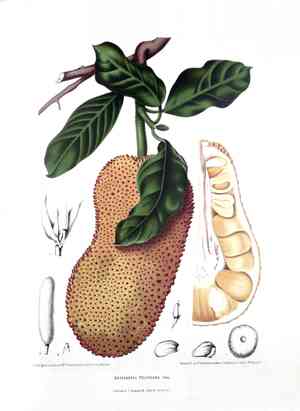
Chempedak (Artocarpus integer)
Also known as: Champedak
Cempedak trees are sizable evergreens, typically reaching heights between 12 and 20 meters. They are monoecious, meaning both male and female flowers are found on the same tree. While there are numerous varieties, most are not specifically named. These robust trees can produce abundant fruit harvests one or two times annually.
In This Article
Attributes of Chempedak
Lifespan
Perennial
Plant Type
Tree
Plant Height
20 m
Spread
8-20 meters
Leaf Color
Green
Flower Size
2.5 cm to 5 cm
Flower Color
Yellow Green
Images of Chempedak
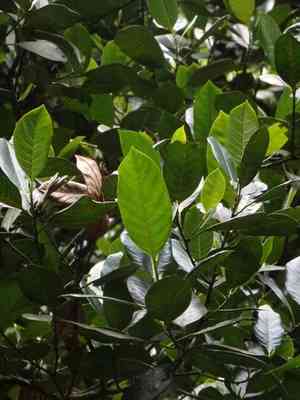
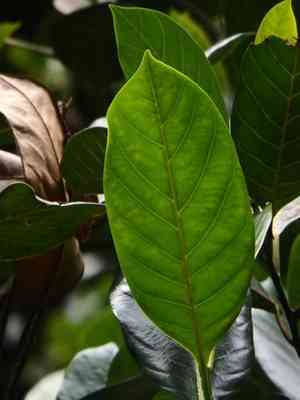
Quickly Identify Chempedak
1
The tree can be identified by its large, oblong fruits which have a spiky, green-yellow skin when ripe. The leaves are large, glossy, and dark green, typically oval-shaped. The tree also produces small, yellow flowers.
Scientific Classification of Chempedak
Phylum
Vascular plants
Class
Dicotyledons
Order
Rosales
Family
Mulberry
Genus
Artocarpus
Species
Chempedak
Planting and Growing of Chempedak
Care Difficulty
Hard
Watering Schedule
Every 2 days
Sunlight Requirements
Full sun
Sunshine Duration
6-10 hours
Ideal Temperature
68-86℉
Soil Type
Potting Mix, Peat Mix
Soil pH
6-7.5
Fertilizer Type
Balanced
Pruning Season
Spring, Summer
Pruning Area
Branches, Leaves
Pruning Frequency
2 times a year
Repotting Season
Spring
Pot Type
Plastic, Ceramic
 How to Water Chempedak?
For Artocarpus integer, it is crucial to supply enough water to mimic its natural tropical habitat. Each session should aim for around 1000 ml of water, ensuring the soil is evenly moist but not waterlogged. You want the water to penetrate deeply to promote healthy root growth, without sitting around to cause root rot.
What are the symptoms of an underwatered Chempedak?
›
What should I do if my Chempedak is not getting enough water?
›
What are the symptoms of an overwatered Chempedak?
›
How to save an overwatered Chempedak?
›
 What Are the Sunlight Requirements for Chempedak?
The ideal light range for Artocarpus integer is full sun to partial sun, since it is a sun-loving plant. Providing such conditions ensures it receives ample daylight for optimal photosynthesis, leading to enhanced growth, health, and maximal fruit production.
More About Sunlight Requirements Techniques→
What is the ideal amount of sunlight for Artocarpus integer?
›
How can I achieve the ideal lighting conditions for Artocarpus integer?
›
What are the benefits of providing ideal lighting conditions?
›
 What Is the Ideal Temperature Range for Chempedak?
The ideal temperature range for Artocarpus integer is between 68°F and 86°F. Within this range, the plant can carry out its physiological functions efficiently, supporting healthy growth and fruit production. Temperatures in this range promote optimal photosynthesis and respiration rates, ensuring the plant can maximize its energy production and nutrient uptake.
 What Soil is Best for Chempedak?
Artocarpus integer thrives in well-drained soils that prevent waterlogging, which can lead to root rot. Ensuring proper drainage supports healthy root growth and optimal nutrient absorption for robust plant development. The plant benefits from nutrient-rich soil, which provides the essential minerals and organic matter needed for vigorous growth and fruit production. Amending the soil with compost or organic fertilizers enhances its fertility and structure. A slightly acidic to neutral pH range, ideally between 6.0 and 7.5, is perfect as it aids in nutrient solubility and uptake. Maintaining this pH range can prevent nutrient deficiencies and optimize plant health.
 How to Fertilize Chempedak?
For Artocarpus integer, it is important to apply the right amount of fertilizer. Generally, use 50-70 grams of balanced fertilizer every two to three months during the growing season. The amount should slightly vary based on the plant's size and soil fertility. Proper application will ensure healthy growth and abundant foliage.
 How to Prune Chempedak?
Focus on removing dead, diseased, or crossed branches. Look for areas where the tree canopy is too dense and thin it out to allow for air circulation and sunlight penetration, which promotes healthier growth. Use sharp pruning shears to make clean cuts just above a leaf node or bud. This encourages new growth and helps the plant heal more quickly. Avoid tearing or crushing the branches, as this can lead to disease. For aesthetic and health reasons, shape the tree's canopy to ensure an even distribution of branches and optimal light exposure. This will help the tree bear more fruit and reduce the risk of limb breakage from strong winds.
More About Pruning Techniques→
 How to Propagate Chempedak plant?
1
Sow seeds in well-draining soil with ample sunlight. Gently press the seeds into the soil and keep them moist but not waterlogged. Patience is key, as germination may take several weeks.
2
Select healthy stems of about 6-8 inches in length and make a clean cut just below a node. Remove the lower leaves to prevent rot and prepare the cutting for rooting.
3
Choose a healthy rootstock and scion. Make precise cuts to ensure a snug fit between them. Secure with grafting tape and maintain consistent humidity to promote successful union.
 How to Repot Chempedak plant?
1
Artocarpus integer requires repotting when its roots start to circle tightly around the pot or grow out of the drainage holes; another sign is when water takes longer to drain, indicating compacted soil.
2
Select a pot that is 1-2 inches larger in diameter than the current one. This size allows room for growth while preventing excessive moisture retention that could lead to root rot.
3
Opt for well-draining loam soil enriched with organic matter, as it provides essential nutrients while allowing excess water to escape, preventing waterlogged roots.
Learn More About Chempedak Diseases
Anthracnose
Bacterial Leaf Spot
Bacterial Soft Rot
Bacterial Wilt
Crown Gall
Damping-off
Downy Mildew
Drought Stress
Fusarium Wilt
Gray Mold
Leaf Curl
Leaf Spot
Mosaic
Nutrient Deficiency
Nutrient Toxicity
Powdery Mildew
Root Rot
Root-knot Nematode
Rusts
Sooty Mold
Spider Mites
Temperature Stress
Thrips Damage
White Mold



