How to Transplant Artocarpus?
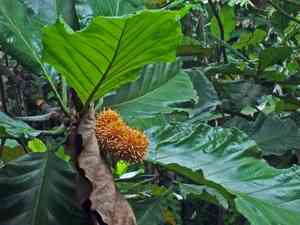
The most favorable period for relocating artocarpus is from the onset of winter through the conclusion of spring, as this allows for root development without the strain of high summer temperatures. Select a sunny spot with soil that drains effectively to guarantee the robust growth of this enduring plant.
Necessary Preparations Before Moving Artocarpus
Optimal Period for Relocating Artocarpus?
The best time to move artocarpus is during the mild period between early winter's chill and late spring's warmth. This window benefits from moderate temperatures, aiding artocarpus's root development and establishment, avoiding harsh weather. This gentle season aligns with artocarpus's natural growth cycle, promoting a robust, thriving plant.
Required Spacing Between Artocarpus Specimens?
Position your artocarpus plants about 35-50 feet (10.7-15.2 meters) apart. This ensures each plant has sufficient room for root and branch expansion, fostering an optimal growth environment.
Ideal Soil Mixture for Artocarpus Relocation?
For your artocarpus, prepare a well-draining, loamy soil, enriched with a balanced, slow-release fertilizer. This provides a nutritious foundation that will support your plant's long-term development.
Where to Replant Your Artocarpus?
Choose a location where your artocarpus will receive full to partial sun exposure. This is crucial for their energy, but ensure it's not too close to other shade-producing structures or plants.
Equipment Needed Before Transplanting Artocarpus
Shovel or Spade
For digging around and lifting the plant's root ball.
Gardening Gloves
To safeguard your hands while handling soil and the plant.
Watering Can or Hose
To hydrate the plant before and after its relocation.
Wheelbarrow
For effortless transportation of the plant and soil.
Pruning Shears
To trim any damaged roots or foliage.
Measuring Tape
To maintain proper distances from other plants.
Stakes and Ties
To support the plant if it's top-heavy or to maintain its form.
Mulch
To help retain soil moisture around the newly transplanted artocarpus.
How to Extract Artocarpus from its Current Location?
How to Extract Artocarpus from the Soil?
From Ground: First, water the artocarpus to moisten the soil. Next, dig a wide trench around the plant, ensuring the root ball remains intact. Use the spade to carefully lift the plant, avoiding root damage.From Pot: Begin by watering the artocarpus to facilitate removal. Tilt the pot sideways and gently tap or squeeze to loosen the plant. Carefully slide the plant out, keeping the soil and root ball together.From Seedling Tray: Water the seedlings to ease transfer. Use a small tool or your fingers to gently lift the artocarpus from its individual compartment, taking care not to harm the roots or stem.
Artocarpus Transplanting: A Step-by-Step Guide
Preparation
Gather all necessary tools and equipment for transplanting the artocarpus.
Removal
Depending on its original placement - ground, pot, or tray - follow the appropriate removal process to minimize plant stress.
Transportation
If the plant is large, use a wheelbarrow to move it to the new site without harming the root ball.
Hole Digging
At the new location, dig a hole twice as wide and as deep as the root ball to encourage root expansion.
Placement
Center the artocarpus in the hole, ensuring it's at the same depth as its original growth.
Refilling
Backfill the hole with soil, gently compacting it around the root ball to eliminate air pockets.
Support
If the plant is tall or unstable, secure it with stakes and ties to reduce movement and promote upright growth.
Watering
After planting, thoroughly water the artocarpus to settle the soil and provide moisture to the roots.
Mulching
Apply a layer of mulch around the base of the artocarpus to conserve moisture and suppress weed growth.
Post-Transplanting Care for Artocarpus
Watering
Maintain consistent soil moisture around the artocarpus to support root development without over-saturating.
Stabilization
Regularly inspect stakes and ties, adjusting them as the artocarpus grows to prevent damage.
Pruning
Remove dead or damaged branches to stimulate new growth and maintain plant vitality.
Monitoring
Observe the artocarpus for signs of transplant shock, such as wilting or yellowing leaves, and intervene if necessary.
Protection
Shield the artocarpus from strong winds and pests using appropriate measures like windbreaks or organic pest control.
Resolving Common Artocarpus Transplantation Issues.
What's the ideal season to transplant artocarpus for best growth?
Transplant artocarpus during cooler months, from early winter to late spring, to ensure root establishment.
How far apart should artocarpus be planted for optimal health?
Space artocarpus approximately 35-50 feet (10.5-15 meters) apart, allowing ample room for maturity.
What indicates artocarpus is ready for transplanting?
Roots outgrowing its container or a crowded appearance signal that artocarpus is ready for a new spot.
What size should the new hole for artocarpus be?
Dig a hole twice as wide as the root ball and equal in depth to comfortably accommodate artocarpus's roots.
Is it important to prune artocarpus before transplanting?
Yes, light pruning to remove damaged or diseased branches encourages healthier growth after transplanting.
How should I water artocarpus after transplanting?
After transplanting, water artocarpus deeply to reduce transplant shock and keep the soil moist for the initial weeks.
Can artocarpus tolerate transplantation during the hottest months?
Transplanting artocarpus during extreme heat can increase stress; it's best done in recommended cooler seasons.
What kind of soil is best for transplanting artocarpus?
Use well-draining, fertile soil rich in organic matter to give artocarpus the best start in its new location.
How do I handle the roots of artocarpus when transplanting?
Carefully untangle circling roots and spread them outwards when placing artocarpus in the hole to encourage growth.
Why are my transplanted artocarpus's leaves wilting?
Temporary wilting can result from transplant shock. Ensure proper watering and avoid full sun until artocarpus recovers.



