How to Prune Artocarpus?
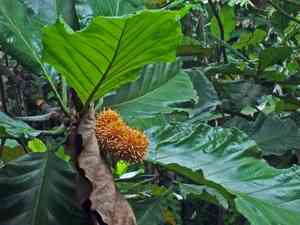
Artocarpus, a towering tropical rainforest tree with expansive foliage, necessitates regular trimming to preserve its well-being and form. Utilize sanitized, sharp implements to remove deceased or ailing limbs, reduce crowded leaves, and sculpt the crown for superior air circulation and light exposure. The most suitable period for pruning is in winter, during the plant's inactive phase, which lessens strain and fosters robust spring development. Consistent trimming also enhances fruit yield and diminishes the likelihood of branch snapping.
What Are the Benefits of Pruning Artocarpus?
What Are the Benefits of Pruning Artocarpus?
Trimming artocarpus promotes robust development and maintains its desired shape. Thoughtful cuts help rejuvenate artocarpus's structure, allowing more light and air into the canopy, which can boost growth and health. Consistent pruning also keeps artocarpus's size manageable, improving its visual appeal and preventing excessive growth that might crowd nearby plants or structures.
What Is the Best Time for Pruning Artocarpus?
What Is the Best Time for Pruning Artocarpus?
Pruning artocarpus in late winter to early spring is ideal as it aligns with the end of dormancy and just before the start of the active growth period. This timing ensures minimal stress to artocarpus, as sap flow is not at its peak, which reduces the risk of excessive sap loss and potential infection points. Additionally, any pruning wounds will heal faster with the emergence of new growth in spring, promoting healthier recovery. Removing dead or diseased branches during this time also helps prevent the spread of pathogens that thrive on weak tissues. Pruning before the flush of new spring growth allows gardeners to better shape artocarpus, fostering a strong structure for the coming year and ensuring that the plantâs energy is directed towards the development of healthy new growth rather than sustaining old or damaged limbs.
What Tools Do I Need to Prune Artocarpus?
Hand Pruners (Bypass or Anvil)
Perfect for making clean and precise cuts on artocarpus's smaller branches and twigs. Bypass pruners are effective for live wood, while anvil pruners are suitable for deadwood.
Loppers
Offer the leverage required for cutting through artocarpus's branches thicker than what hand pruners can manage, typically up to 1.5 inches in diameter.
Pruning Saw
Essential for artocarpus's larger branches over 1.5 inches thick that loppers cannot handle. It helps create straight and clean cuts without harming surrounding limbs.
Pole Pruner
Excellent for reaching higher branches on artocarpus without needing a ladder, thereby ensuring safety and convenience when trimming taller specimens.
Secateurs
Useful for shaping artocarpus by snipping small branches, which helps maintain the plant's overall structure and health.
How to Prune Artocarpus
Clean tools
Before starting, ensure all pruning tools are clean and sharp to guarantee precise cuts and minimize the chance of spreading disease to artocarpus.
Inspect
Examine artocarpus to identify all dead or diseased branches. Look for branches that are discolored, have unusual growths, or show signs of decay.
Cut diseased branches
Trim diseased branches by cutting at least several inches below the affected area into healthy wood. Ensure cuts are clean and angled away from the remaining branch to prevent water accumulation.
Remove dead branches
Eliminate dead branches by making cuts close to the branch collar at the base of the dead branch. Avoid damaging the collar as it is crucial for the healing process.
Disinfect
After each cut, especially when removing diseased branches, sanitize the pruning tools to prevent the spread of disease to other parts of artocarpus or different plants.
Common Pruning Mistakes with Artocarpus
Over-pruning
Removing too much foliage at once can stress artocarpus and hinder its growth. It's important not to exceed the general guideline of not pruning more than one-third of a plant at any given time.
Improper cuts
Making cuts too close to the main stem or leaving large stubs can cause damage and disease to artocarpus. Precise cuts should be made just above leaf nodes or branches.
Tool hygiene
Failing to clean and sterilize pruning tools before use can introduce pathogens to artocarpus, potentially leading to infections and diseases.
Ignorance of plant structure
A lack of understanding of artocarpus's branching patterns can lead to poor pruning decisions, affecting the natural form and health of the plant.
Neglecting diseased or dead material
Not regularly removing dead or diseased wood can attract pests and diseases, jeopardizing the plant's overall vitality.
Common Pruning Tips for Artocarpus
Sharp tools
Utilize sharp, clean pruning shears to make clean cuts without harming artocarpus's delicate tissues, which promotes healing and minimizes disease risk.
Selective thinning
Thin out crowded areas to enhance air circulation and light penetration, which is vital for artocarpus's health and vigor.
Shape maintenance
Prune artocarpus to preserve its natural shape, focusing on removing unruly branches that detract from its appearance or obstruct other plants.
Encouraging new growth
Trim back old and overgrown branches to stimulate new growth, ensuring artocarpus remains vibrant and productive.
Regular inspection
Examine artocarpus regularly for signs of pests, diseases, or dead material, promptly addressing any issues to keep the plant healthy and well-maintained.



