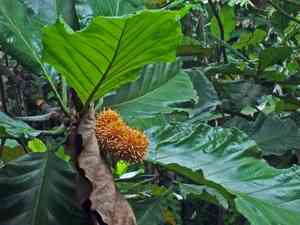
Artocarpus (Artocarpus elasticus)
Also known as: Terap, Terap Rawak
The Artocarpus tree, which includes species like breadfruit and jackfruit, exhibits several distinctive features and ecological benefits:
### Distinctive Features:
1. **Height and Canopy:** Typically grows to substantial heights, often up to 30 meters, with a wide, dense canopy.
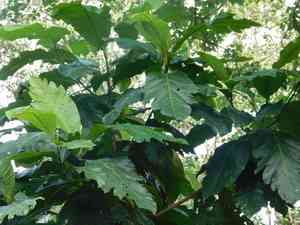
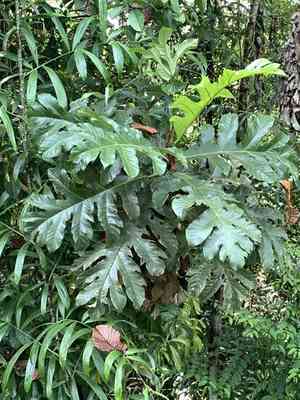
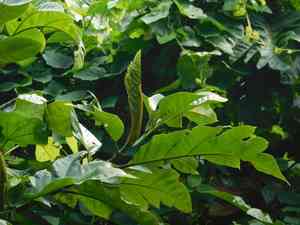
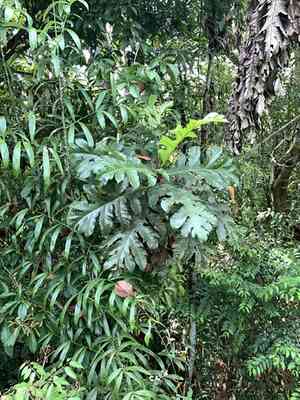
2. **Leaf Structure:** Possesses large, glossy leaves with deep lobes, which help it adapt to various light conditions in tropical forests.
3. **Fruit Production:** Produces large, nutrient-rich fruits that are essential food sources for both humans and wildlife.
4. **Wood Quality:** Known for its strong, termite-resistant wood, making it valuable for construction and furniture.
### Ecological Benefits:
1. **Soil Enrichment:** Contributes to soil fertility through organic matter from fallen leaves and fruits.
2. **Carbon Absorption:** Plays a role in carbon sequestration, helping to mitigate climate change.
3. **Wildlife Habitat:** Provides shelter and nourishment for a wide range of animal species.
4. **Erosion Prevention:** The extensive root system helps in stabilizing soil and reducing erosion.
5. **Sustainable Resource:** Offers a renewable source of food and timber, promoting sustainable agricultural practices.
These traits and benefits underscore the Artocarpus tree's ecological and economic importance.
Attributes of Artocarpus
Images of Artocarpus
 How to Water Artocarpus?
  What Are the Sunlight Requirements for Artocarpus?
  What Is the Ideal Temperature Range for Artocarpus?
  What Soil is Best for Artocarpus?
  How to Fertilize Artocarpus?
  How to Prune Artocarpus?
  How to Propagate Artocarpus plant?
 How to Repot Artocarpus plant?



