The Artocarpus Plant Advantage: Maximizing Home and Office Appeal and Wellness
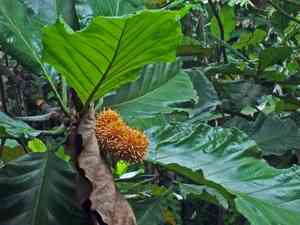
1
Packed with vital nutrients and offers health advantages.
2
Suitable for traditional crafts because of its flexible wood.
3
Eco-friendly and sustainable cultivation.
Nutritional Advantages of Artocarpus
Rich in Essential Nutrients
Artocarpus is renowned for its comprehensive nutritional content. Its fruits are abundant in vitamins, minerals, and antioxidants, establishing them as a nutritional powerhouse. Consuming Artocarpus can assist in fulfilling daily dietary requirements and fostering overall wellness.
Aids Digestive Wellness
Including Artocarpus in your diet can support digestive health due to its significant fiber content. This fiber helps maintain gut health and regularity, preventing common digestive issues like constipation and bloating.
Artocarpus's Contribution to Sustainability
Eco-Friendly Cultivation
Artocarpus grows in an environmentally conscious manner. It thrives in tropical climates, often without requiring extensive agricultural intervention. This sustainable growth pattern aids in conserving natural resources and supports eco-friendly practices.
Fosters Biodiversity
The cultivation of Artocarpus can promote biodiversity by offering habitats for various species. Its presence in tropical forests helps maintain ecological balance, supporting a wide array of flora and fauna.
Traditional Crafting Uses of Artocarpus
A Material for Traditional Craftsmanship
The wood of Artocarpus is recognized for its elasticity and strength, making it a highly valuable material in traditional crafting. Artisans utilize it to create durable and flexible items, from furniture to traditional tools.
Cultural Significance
Artocarpus holds cultural importance in many communities where it is grown. Its use in traditional crafts often reflects cultural heritage and identity, serving not only practical purposes but also preserving traditions.
Ecological Impact of Artocarpus Cultivation
Minimal Environmental Footprint
Artocarpus can be cultivated with minimal environmental impact. It does not necessitate heavy use of pesticides or fertilizers, thereby reducing the ecological footprint associated with its growth. This aspect makes Artocarpus a valuable plant for sustainable agricultural practices.
Carbon Sequestration
Furthermore, Artocarpus contributes to carbon sequestration, helping to mitigate the effects of climate change. By absorbing carbon dioxide during its growth, Artocarpus plants play a role in reducing greenhouse gases in the atmosphere.
Future Prospects of Artocarpus
Agricultural Innovations
Researchers are investigating innovative methods to integrate Artocarpus into modern agricultural systems. Its resilience and nutrient profile make it a candidate for sustainable food production, potentially offering solutions to food security challenges.
Expanding Market Opportunities
The increasing awareness of sustainable practices and the demand for eco-friendly products are creating new markets for Artocarpus. From health supplements to green manufacturing, the potential applications of Artocarpus are expanding.



