How to Transplant San diego sagewort?
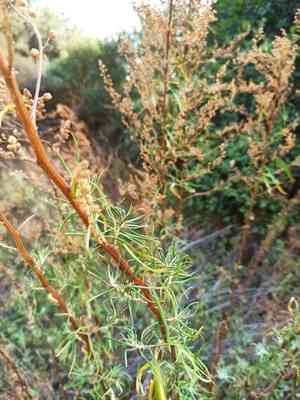
San diego sagewort flourishes optimally when relocated in the cooler period, specifically from early fall to late autumn, owing to diminished thermal strain. Choose a bright, adequately draining spot to guarantee successful rooting.
What Preparations are Needed Before Transplanting San Diego Sagewort?
What is the Ideal Time for Transplanting San Diego Sagewort?
San diego sagewort should ideally be moved from early fall to late fall. This period offers cooler temperatures, increased soil moisture, and reduced transplant stress, promoting robust root development. Relocating during this time allows the perennial to establish itself well before the active growth season, leading to healthier and more resilient growth in the subsequent spring and summer.
How Much Space Should You Leave Between San Diego Sagewort Plants?
Ensure each san diego sagewort plant is spaced 36-48 inches (91-122 cm) apart. This spacing provides ample room for individual plant growth and guarantees adequate air circulation.
What is the Best Soil Mix for San Diego Sagewort Transplanting?
Prepare well-draining soil enriched with compost or organic matter. Incorporating a balanced base fertilizer like 10-10-10 (N-P-K) before transplanting supplies essential nutrients for initial growth.
Where Should You Relocate Your San Diego Sagewort?
Select a sunny location for transplanting san diego sagewort. This plant flourishes best in full sun, so confirm it will receive at least 6 hours of direct sunlight daily.
What Equipments Should You Prepare Before Transplantation San Diego Sagewort?
Gardening Gloves
To safeguard your hands while handling soil and the plant.
Shovel or Spade
For excavating around the plant and its new site.
Hand Trowel
For more precise digging and plant placement.
Watering Can or Hose
To hydrate the plant before and after relocation.
Bucket
To transport soil or water as required.
Pruning Shears
To trim any damaged roots or stems.
Mulch
To aid in retaining moisture in the newly planted area.
How Do You Remove San Diego Sagewort from the Soil?
How Do You Remove San Diego Sagewort from the Soil?
From Ground: First, moisten the san diego sagewort plant's soil. Then, dig a wide trench around the plant with a shovel or spade, ensuring the root ball stays intact. Carefully work the spade beneath the root ball to lift the plant from its original spot.From Pot: Water the san diego sagewort plant thoroughly before removal. Gently squeeze the pot's sides to loosen the root ball. Invert the pot while supporting the plant to slide it out. If resistance occurs, use a hand trowel to carefully separate the soil from the pot's edges.From Seedling Tray: Gently water the seedling tray prior to removal. Use a hand trowel or your fingers to carefully lift the seedlings, taking care not to harm the delicate roots. Handle by the leaves if possible to avoid crushing the stem.
Step-by-Step Guide for Transplanting San Diego Sagewort
Choosing Location
Ensure the selected site offers suitable conditions for san diego sagewort.
Digging New Hole
Excavate a hole larger than the root ball of the san diego sagewort. The hole should be twice as wide and equally deep as the root ball.
Amending Soil
If needed, enhance soil quality by mixing organic compost or other soil amendments into the new hole.
Placing Plant
Gently position the san diego sagewort plant into the hole, ensuring it sits at the same depth as it was in its previous location. Backfill around the root ball with soil, pressing down lightly to remove air pockets.
Watering
Thoroughly water the plant to settle the soil around its roots.
Applying Mulch
Apply a layer of mulch around the plant's base to help retain moisture and regulate soil temperature.
How Do You Care For San Diego Sagewort After Transplanting?
Watering
Keep the soil around the san diego sagewort consistently moist, but not waterlogged, for the initial few weeks post-transplant to aid in strong root establishment.
Monitoring
Regularly inspect the plant for indications of stress, such as wilting or yellowing leaves, and adjust care as necessary.
Pruning
Trim any damaged or dead portions of the plant to encourage healthy growth.
Mulching
Ensure the mulch layer remains intact and is not excessively thick, as too much mulch can lead to root rot.
Protection
Consider providing temporary shade or wind protection to minimize transplant shock.
Troubleshooting Common Issues with San Diego Sagewort Transplantation.
When is the best time to transplant san diego sagewort?
The optimal period to transplant san diego sagewort is from early autumn to late autumn for superior outcomes.
How much space should be between san diego sagewort plants?
Maintain a spacing of 36-48 inches (90-120 cm) between each san diego sagewort plant for proper development.
How should I prepare the soil for san diego sagewort?
Utilize well-draining soil blended with organic compost to prepare the ground for san diego sagewort.
How deep should I plant san diego sagewort after transplanting?
Plant san diego sagewort at the same depth it was in its original container to prevent shock.
How do I minimize transplant shock for san diego sagewort?
Water san diego sagewort thoroughly before and after transplanting, and apply mulch around the base to retain moisture.
What should I do if the leaves of san diego sagewort turn yellow?
Ensure san diego sagewort is not overwatered and verify proper drainage to resolve yellowing leaves.
How often should I water san diego sagewort after transplanting?
Water san diego sagewort moderately, allowing the soil to dry out slightly between waterings, especially during the first week.
What's the ideal light condition for transplanting san diego sagewort?
San diego sagewort thrives best in full sun to partial shade, receiving at least 6-8 hours of sunlight daily.
Should I fertilize san diego sagewort after transplanting?
Avoid fertilizing san diego sagewort immediately after transplanting. Wait until new growth appears before applying a light fertilizer.
What pests should I look out for when transplanting san diego sagewort?
Keep an eye out for aphids and spider mites, which are common pests that can affect san diego sagewort.



