How to Prune San diego sagewort?
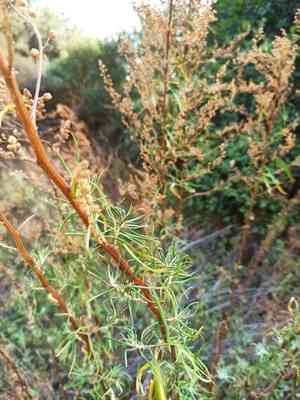
San Diego Sagewort flourishes in permeable ground and is characterized by its fragrant, grayish-green leaves. Trimming San Diego Sagewort entails excising lifeless or frail limbs to foster robust development and air circulation. The ideal period for this is from late winter to early spring, coinciding with its natural growth phase. Performing this maintenance during these months stimulates strong new shoots and aids in preserving the plant's form and well-being. Consistent trimming also reduces issues with pests and diseases, thereby boosting the plant's general vigor.
Advantages of Trimming San Diego Sagewort
Advantages of Trimming San Diego Sagewort
San diego sagewort thrives with pruning, leading to more robust growth and maintaining its form. Trimming aids in size control, fosters healthy development, boosts pest and disease resistance, and improves its overall look.
Optimal Time for Pruning San Diego Sagewort
Optimal Time for Pruning San Diego Sagewort
Pruning san diego sagewort in early spring and late winter is ideal due to its growth cycle. During these periods, the plant is typically dormant or exhibits minimal active growth, allowing it to recover more efficiently from cuts. Additionally, pruning before the active growing season encourages healthier and more vigorous new growth. Performing pruning at these times also ensures that the plant's flowering and potential fruiting season, which generally occurs in warmer months, remains unaffected.
Tools Required for Pruning San Diego Sagewort
Hand Pruners
These are crucial for making precise, clean cuts on the young and delicate stems of san diego sagewort. Perfect for minor trimming tasks.
Bypass Loppers
Useful for cutting thicker branches of san diego sagewort. Bypass loppers provide a clean cut and minimize harm to the plant.
Pruning Saw
Designed for cutting larger, woody branches that hand pruners and loppers cannot manage. Ensures clean and accurate cuts on older, woodier stems of san diego sagewort.
Gloves
Essential for safeguarding your hands from sharp stem edges and tools during pruning.
Sanitizer
Important for sterilizing tools before and after pruning san diego sagewort to prevent disease transmission.
How to Prune San Diego Sagewort
Preparation
Gather necessary tools like sterilized pruners and put on protective gloves to avoid potential irritation from san diego sagewort.
Inspection
Carefully examine san diego sagewort for any indications of diseased leaves. Look for symptoms such as discoloration, spots, or unusual growth patterns.
Removal of Diseased Leaves
Cut off any identified diseased leaves at their base, ensuring clean cuts to prevent further damage and limit disease spread.
Removal of Withered Leaves
Locate withered leaves and gently remove them by cutting at the stalk or pinching off near the base. Ensure to dispose of these leaves away from the plant to prevent possible pest infestation.
Final Assessment
Reassess san diego sagewort after pruning to ensure all unhealthy parts have been removed. Clean up any fallen debris around the plant to maintain a healthy growing environment.
Common Pruning Errors with San Diego Sagewort
Over-pruning
Excessive trimming can stress san diego sagewort, leading to stunted growth or increased vulnerability to disease.
Improper Technique
Using dull or dirty tools can result in jagged cuts or introduce pathogens to san diego sagewort.
Inconsistent Pruning
Neglecting to prune regularly can lead to an unruly growth habit, making it harder to manage the plantâs shape and health.
Wrong Pruning Points
Cutting too close to the main stem or too far from a bud can cause dieback or hinder new growth in san diego sagewort.
Ignoring Dead or Diseased Wood
Failing to remove dead or diseased branches can lead to the spread of disease within san diego sagewort.
General Pruning Advice for San Diego Sagewort
Use Sharp, Clean Tools
Always ensure your pruners or shears are sharp and sanitized to make clean cuts and avoid the spread of disease in san diego sagewort.
Prune Moderately
Trim no more than one-third of san diego sagewort at a time to minimize stress on the plant and promote steady growth.
Shape Wisely
Aim to maintain a natural shape by making cuts just above a leaf node or bud, which encourages healthy new growth.
Remove Dead or Diseased Wood
Regularly inspect san diego sagewort and promptly remove any dead, damaged, or diseased branches to maintain overall plant health.
Regular Maintenance
Establish a consistent pruning schedule to keep san diego sagewort manageable and thriving, adjusting frequency based on the plantâs growth rate.



