How to Propagate San diego sagewort?
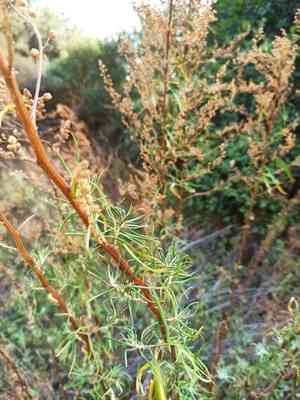
Artemisia palmeri, a perennial shrub, frequently grows in the southwestern regions of the United States. For successful propagation, it is advisable to begin with seeds, making sure they are planted in soil that drains effectively. Maintain consistent moisture in the soil until sprouting takes place. Proper spacing is crucial to ensure sufficient airflow, thereby deterring illnesses. A thin layer of soil placed over the seeds can facilitate their emergence. Consulting reliable references, such as organizations dedicated to native flora, corroborates these guidelines.
Optimal Time for San Diego Sagewort Propagation
Propagation Type
Sowing
Propagation Season
Spring
Tools for San Diego Sagewort Propagation
Seed Tray
A seed tray offers a controlled setting for planting san diego sagewort seeds. It assists in managing seed spacing and depth, vital for consistent germination.
Sterilized Soil Mix
A sterilized soil mix minimizes the risk of disease and pests during germination. It ensures san diego sagewort seeds have a healthy start, free from competing weeds and harmful pathogens.
Humidity Dome
A humidity dome maintains ideal moisture levels and temperature, crucial for successful san diego sagewort seed germination. It prevents seeds from drying out and accelerates the process.
Spray Bottle
A spray bottle is used for gently misting the soil and seedlings. For san diego sagewort, maintaining proper moisture without disturbing the soil or seedlings is key, and a spray bottle ensures even, gentle watering.
Seedling Heat Mat
A seedling heat mat provides consistent warmth to the seed tray, promoting faster and more uniform germination for san diego sagewort. This is especially useful in cooler climates where ambient temperatures might be too low.
Labeling Stakes
Labeling stakes help track different seed batches, particularly if multiple varieties are sown. This is important for san diego sagewort to accurately monitor germination rates and growth characteristics.
Hand Trowel
A hand trowel is useful for transferring seedlings once they are ready for individual pots or direct garden planting. Its small size and precision are beneficial for handling the delicate roots of san diego sagewort.
How to Propagate San Diego Sagewort?
Propagation Type
Easy
Caring for Newly Propagated San Diego Sagewort
Caring for Newly Propagated San Diego Sagewort
After transplanting, water san diego sagewort moderately, allowing the soil to dry between waterings. Provide full to partial sunlight. Prune regularly to maintain shape and encourage bushier growth. Protect young plants from frost. Monitor for pests and diseases, treating promptly if issues arise.
Common Propagation Mistakes for San Diego Sagewort
Overwatering
Excessive water can lead to root rot and fungal infections, hindering plant growth and potentially causing its demise.
Incorrect Soil Use
Using heavy or water-retentive soil can impede proper drainage, resulting in poor root development and increased susceptibility to diseases.
Inadequate Sunlight
Insufficient sunlight can hinder photosynthesis, weaken the plant, and lead to stunted growth.
Overcrowding
Planting too many cuttings too closely can restrict airflow and create a humid environment conducive to mold and mildew.
Neglecting Pest Control
Failure to monitor for pests can lead to infestations that damage the plant and impede successful propagation.
Tips For Propagating San Diego Sagewort
Adequate Watering
Water cuttings just enough to keep the soil moist but not waterlogged, allowing roots to establish without drowning.
Well-Draining Soil
Use a sandy or loamy soil mix to ensure proper drainage, aiding root development and preventing waterlogging.
Sunlight Exposure
San diego sagewort thrives in full sun; ensure cuttings receive at least 6 hours of direct sunlight daily for healthy growth.
Spacing Cuttings
Space cuttings adequately to ensure good airflow, which helps prevent mold and mildew and allows each plant access to sufficient nutrients.
Regular Pest Monitoring
Inspect cuttings regularly for signs of pests and treat them promptly to avoid infestations that can hinder growth.



