How to Transplant Cape verde sagebrush?
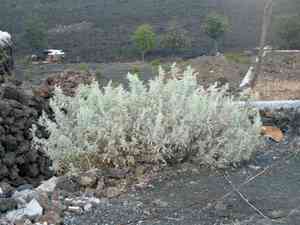
Cape verde sagebrush flourishes optimally when relocated during the ideal period of mid-to-late spring or early summer, benefiting from mild temperatures. A location offering ample sunlight and soil that drains effectively is crucial for fostering robust development and firm root anchorage.
Essential Preparations Before Relocating Cape Verde Sagebrush
Optimal Period for Relocating Cape Verde Sagebrush?
The best time to move cape verde sagebrush, a perennial, is 'mid to late spring or early summer' due to favorable ground temperatures and increased daylight. Relocating during this period encourages robust root growth and minimizes plant stress, ensuring successful establishment and vigorous development throughout the growing season.
Recommended Spacing Between Cape Verde Sagebrush Plants?
When relocating cape verde sagebrush, ensure a distance of 18-24 inches (45-60 cm) between them. This spacing allows for unhindered growth and promotes good air circulation.
Ideal Soil Mixture for Cape Verde Sagebrush Relocation?
Prepare well-draining soil for cape verde sagebrush by incorporating compost or a balanced base fertilizer. Sandy or loamy soil is perfect for firm root establishment and thriving.
Selecting a New Location for Your Cape Verde Sagebrush?
Choose a sunny spot for relocating cape verde sagebrush. It requires full sun for healthy growth, meaning approximately 6-8 hours of direct sunlight daily. If a full sun location isn't available, ensure it receives at least partial sunlight.
Equipment Needed Before Transplanting Cape Verde Sagebrush
Gardening Gloves
To safeguard your hands while handling soil and plants.
Shovel or Spade
For excavating around and lifting the plant from its initial spot.
Hand Trowel
For more precise digging and relocation tasks.
Watering Can or Hose
To hydrate the plant before and after its move.
Pruning Shears
To trim any damaged roots or foliage.
Wheelbarrow or Transport Container
To convey the plant to its new site.
Mulch
To retain moisture and inhibit weed growth post-transplant.
How to Extract Cape Verde Sagebrush from the Soil?
How to Extract Cape Verde Sagebrush from the Soil?
From Ground: First, moisten the cape verde sagebrush plant to soften the soil. This will facilitate root system removal and reduce plant stress. Use a shovel or spade to dig a wide trench around the cape verde sagebrush, ensuring you dig deep enough to encompass the entire root ball. Once loosened, gently lift the plant, keeping the root ball intact.From Pot: Water the cape verde sagebrush plant thoroughly to ease its removal from the pot. Tap the pot's sides to loosen the soil. Gently hold the plant at its base and carefully slide it out. If resistance occurs, gently tap the pot's bottom or use a small tool to assist. Avoid pulling the plant by its stems or leaves.From Seedling Tray: Water the seedling trays completely before beginning. Use a hand trowel to gently loosen the soil around each seedling. Carefully lift each cape verde sagebrush seedling with its root system intact, being cautious not to harm the delicate roots. Hold the seedling by its leaves or the root ball, not the stem.
Step-by-Step Guide for Relocating Cape Verde Sagebrush
Advance Planning
Select an appropriate location considering the plant's light and spacing needs. Ensure all tools are prepared before commencing the relocation process.
Excavate the Planting Hole
Dig a hole in the new spot that is twice as wide and equally deep as the cape verde sagebrush's root ball. This allows roots to spread comfortably.
Prepare the Plant
If the plant has any damaged or elongated roots, use pruning shears to trim them. This encourages new root development.
Plant the cape verde sagebrush
Position the cape verde sagebrush in the center of the new hole. Ensure the top of the root ball is level with or slightly above the ground. Backfill the hole with soil, gently firming it around the roots to eliminate air pockets.
Water Thoroughly
Immediately water the newly planted cape verde sagebrush to help settle the soil and minimize transplant shock. Ensure water reaches the root zone.
Apply Mulch
Spread a layer of mulch around the base of the cape verde sagebrush, avoiding direct contact with the stem. This aids in moisture retention and weed suppression.
Post-Transplant Care for Cape Verde Sagebrush
Watering
Maintain consistent moisture in the soil around the cape verde sagebrush, but avoid waterlogging, for the initial weeks after transplanting to promote strong root establishment.
Monitoring
Regularly check for indications of stress, such as wilting or discoloration, and take corrective measures if necessary.
Weeding
Keep the area surrounding the cape verde sagebrush free of weeds to reduce competition for nutrients and water.
Addressing Common Issues with Cape Verde Sagebrush Relocation.
When is the best time to relocate cape verde sagebrush?
The ideal time to relocate cape verde sagebrush is mid to late spring or early summer.
What spacing should I maintain when relocating cape verde sagebrush?
Ensure 18-24 inches (45-60 cm) of space between each cape verde sagebrush plant for optimal growth.
How do I prepare the soil for relocating cape verde sagebrush?
Use well-drained soil enriched with organic matter to ensure proper root development for cape verde sagebrush.
Should I water cape verde sagebrush immediately after relocating?
Yes, water cape verde sagebrush thoroughly right after relocating to help settle the soil and roots.
How to minimize relocation shock for cape verde sagebrush?
Water well before and after relocating, and avoid excessive root disturbance.
Is mulching necessary when relocating cape verde sagebrush?
Mulching with 2-3 inches (5-7.5 cm) of organic mulch helps retain moisture and regulate soil temperature.
How deep should the hole be for relocating cape verde sagebrush?
Dig a hole as deep and twice as wide as the root ball of cape verde sagebrush.
Can I relocate cape verde sagebrush on a windy day?
Avoid relocating cape verde sagebrush on windy days to prevent stress on the plant.
What should I do if the leaves of cape verde sagebrush wilt after relocating?
Provide shade and water adequately. Wilting is common but should resolve within a few days.
Should I fertilize cape verde sagebrush after relocating?
Avoid immediate fertilization. Wait for a few weeks to allow cape verde sagebrush to establish itself.



