How to Prune Cape verde sagebrush?
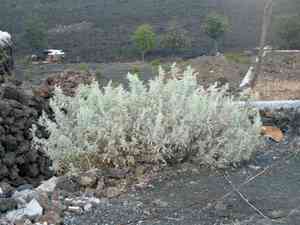
Artemisia cana, recognized for its fragrant foliage and hardiness, flourishes with deliberate trimming. The most suitable periods for pruning are in early spring or late winter, coinciding with its dormant phase in the growth cycle. Essential methods involve excising deceased or compromised branches, reducing crowded sections to enhance air movement, and sculpting to preserve its inherent shape. Trimming fosters more vigorous development, blooming, and defense against pests. Always employ sharp, sanitized implements to avert pathogen spread and stimulate strong regeneration.
What Are the Benefits of Pruning Cape Verde Sagebrush?
What Are the Benefits of Pruning Cape Verde Sagebrush?
Trimming cape verde sagebrush promotes robust development, maintains its form, boosts blooming, and deters pest infestations. Regular trimming eliminates dead or diseased branches, enhancing air circulation and overall plant vitality.
What Is the Best Time for Pruning Cape Verde Sagebrush?
What Is the Best Time for Pruning Cape Verde Sagebrush?
Pruning cape verde sagebrush in early spring or late winter is optimal as the plant is typically dormant, minimizing stress and enabling strong recovery. These periods also precede active growth, fostering vigorous new development and peak health. Additionally, pruning at this time ensures cape verde sagebrush has ample opportunity to produce new shoots before flowering or fruiting, improving its aesthetic and functional garden contribution.
What Tools Do I Need to Prune Cape Verde Sagebrush?
Hand Pruners (Bypass Pruners)
Perfect for making clean cuts on live wood, which helps prevent disease and encourages healthy regrowth for cape verde sagebrush.
Pruning Shears
Useful for trimming smaller branches and shaping the plant, ensuring a tidy appearance and healthy development.
Loppers
Essential for cutting through thicker branches that may emerge. The extended handles provide leverage for effortless, clean cuts.
Pruning Saw
Needed for cutting through particularly thick branches or older growth that cannot be managed with pruners or loppers.
How to Prune Cape Verde Sagebrush
Inspection
Carefully examine the plant to identify all diseased and withered leaves. Look for signs of discoloration, wilting, or spots.
Cleaning Tools
Sanitize your pruning tools with a solution of one part bleach to nine parts water to prevent the spread of disease.
Diseased Leaves Removal
Use sharp, sterilized pruning shears to cut off diseased leaves at the base, ensuring to remove all infected material to prevent future outbreaks.
Withered Leaves Removal
Trim withered leaves back to the nearest healthy part of the stem or base, taking care not to damage the healthy tissue.
Disposal
Dispose of all removed leaves and plant material properly by bagging and discarding them. Do not compost diseased materials to avoid spreading pathogens.
Common Pruning Mistakes with Cape Verde Sagebrush
Improper Technique
One of the most common mistakes is using poor pruning techniques. This includes making jagged cuts, which can wound the plant and make it more susceptible to disease and pests. Using dull or dirty tools can also spread disease.
Over-Pruning
Another frequent error is pruning too much of the plant at once. Over-pruning can stress cape verde sagebrush, leading to reduced growth and fewer flowers. It can also make the plant more vulnerable to environmental stresses.
Wrong Timing
Timing is crucial for cape verde sagebrush. Pruning at the wrong time can remove buds that are set to bloom, thereby reducing the plantâs flowering potential. It's essential to prune after consulting specific seasonal guidelines for cape verde sagebrush.
Ignoring Plant Health
Failing to consider the overall health of cape verde sagebrush before pruning is a significant mistake. Damaged, diseased, or weak plants require different pruning approaches compared to healthy ones. Not addressing underlying issues before pruning can exacerbate poor health outcomes.
Cutting Too Close to Buds or Leaves
Cutting too close to buds or leaves can damage these vital parts, which can hinder growth and flowering. It's a common mistake that often results from a lack of precision during pruning.
Common Pruning Tips for Cape Verde Sagebrush
Use Clean, Sharp Tools
Always use clean, sharp pruning shears to ensure clean cuts. This prevents the spread of disease and allows the plant to heal more quickly.
Understand the Plantâs Structure
Before making any cuts, take time to understand the natural shape and growth habit of cape verde sagebrush. Pruning should enhance this natural form rather than fight against it.
Follow the 'Three D's' Rule
Remove Dead, Diseased, and Damaged wood first. This not only cleans up the plant but also allows you to see its structure more clearly for any additional pruning.
Thin Out, Donât Top
Instead of topping cape verde sagebrush, which can result in weak, spindly growth, focus on thinning out excess branches to allow light and air to penetrate the canopy. This encourages healthier, more robust growth.
Make Angled Cuts
When pruning, make cuts at a slight angle, just above a leaf node or bud. This allows water to run off the cut area, reducing the risk of disease.
Moderation is Key
Practice moderation in pruning. It's better to remove a little at a time and observe how cape verde sagebrush responds rather than risk over-pruning.



