How to Propagate Cape verde sagebrush?
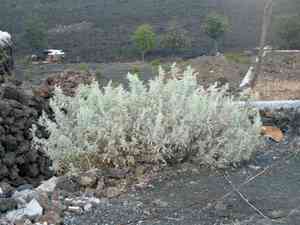
Cape Verde sagebrush, a woody perennial native to Cape Verde, is distinguished by its fragrant leaves and hardiness. To propagate, plant seeds in a free-draining substrate and ensure continuous dampness until sprouting. The growing medium needs to remain moderately humid, not saturated, and ample sunlight is crucial for vigorous development. Consistent trimming aids in preserving its form and fostering denser growth.
Optimal Time for Cape Verde Sagebrush Propagation
Propagation Method
Seeding
Propagation Period
Spring
Equipment for Cape Verde Sagebrush Propagation
Seed Trays
Seed trays offer a controlled setting for planting cape verde sagebrush seeds, enabling ideal moisture control and easy handling during initial growth phases.
Seedling Heat Mat
A seedling heat mat assists in maintaining a steady soil temperature, vital for successful cape verde sagebrush germination, especially in colder areas or off-season.
Humidity Dome
Employing a humidity dome over seed trays creates a high-humidity environment, reducing premature drying and boosting germination rates for cape verde sagebrush.
Seed-Starting Mix
A sterile, well-draining seed-starting mix is crucial for sowing cape verde sagebrush seeds, providing necessary aeration and moisture retention without introducing pathogens.
Water Mister
A water mister delivers gentle moisture without disturbing seeds, which is particularly important for the delicate seeds of cape verde sagebrush to prevent displacement or clumping.
Labels
Using labels to mark each tray or cell helps keep track of cape verde sagebrush seedlings, especially when propagating multiple plant varieties simultaneously.
Soft-tip Tweezers
Soft-tip tweezers are perfect for handling the delicate seeds of cape verde sagebrush, ensuring that fragile seedlings or seeds are not damaged during the sowing process.
Grow Lights
Supplemental grow lights ensure seedlings receive sufficient light for photosynthesis, especially when natural light is limited, promoting robust and healthy growth for cape verde sagebrush.
Fine Mesh Strainer
A fine mesh strainer can be used to evenly sift the seed-starting mix over sown cape verde sagebrush seeds, providing uniform coverage and improving germination rates.
How to Propagate Cape Verde Sagebrush?
Propagation Type
Simple
Caring for Your Newly Propagated Cape Verde Sagebrush
Caring for Your Newly Propagated Cape Verde Sagebrush
After transplanting, water cape verde sagebrush moderately, avoiding waterlogged conditions. Provide full sunlight for optimum growth. Prune any dead or damaged branches to encourage healthy growth and periodically check for pests or diseases. Mulching around the base can help retain soil moisture and suppress weed growth.
Common Mistakes to Avoid When Propagating Cape Verde Sagebrush
Inadequate Soil Preparation
Using poor quality or inappropriate soil can lead to poor root development and ultimately plant failure.
Overwatering
Excessive watering can cause root rot, which hinders the plant's ability to absorb nutrients and can lead to plant death.
Insufficient Light
Lack of adequate sunlight can stunt growth and affect the health of the plant.
Incorrect Pruning
Improper pruning can damage the plant and limit its growth potential.
Neglecting Pest and Disease Control
Failure to manage pests and diseases can result in significant damage to young plants.
Tips For Propagating Cape Verde Sagebrush
Use Well-Draining Soil
Ensure the soil mix is well-draining to prevent waterlogging and root rot.
Water Sparingly
Water the plant only when the top inch of soil feels dry to the touch to avoid overwatering.
Provide Adequate Sunlight
Place the plant in a location where it can receive at least 6 hours of direct sunlight daily.
Prune Carefully
Prune the plant using sterilized tools to ensure clean cuts that don't harm the plant.
Monitor for Pests and Diseases
Regularly check for signs of pests or diseases and treat promptly to maintain plant health.



