How to Transplant Little sagebrush?
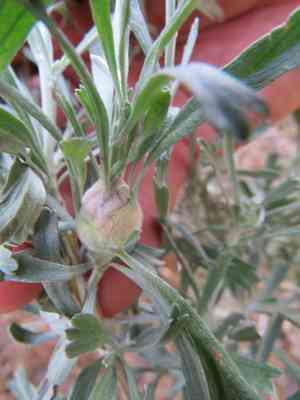
Little sagebrush flourishes when moved between early and late spring, allowing for superior root development due to moderate temperatures. Choose a bright, adequately drained spot for replanting to offer the most favorable environment for its development. Correct scheduling and placement are crucial.
What Preparations are Necessary Before Relocating Little Sagebrush?
What is the Optimal Period for Moving Little Sagebrush?
The ideal season for relocating little sagebrush spans from the start of early spring to the beginning of early summer. This timeframe allows the plant to develop strong root systems prior to the demands of hotter summer months. Moving little sagebrush during this interval promotes growth and guarantees improved survival and flourishing conditions.
How Much Distance Should You Maintain Between Little Sagebrush Plants?
When relocating little sagebrush, ensure you position them approximately 12-18 inches (30-45 cm) apart. This will provide each plant ample room to expand and prevent overcrowding.
What is the Best Soil Mixture for Little Sagebrush Relocation?
For little sagebrush, prepare soil that drains well and is slightly alkaline. You can incorporate some compost for additional nutrients. Phosphorus-rich base fertilizers will aid in establishing robust roots.
Where Should You Replant Your Little Sagebrush?
Little sagebrush thrives best in full sunlight. Select a spot where the plant will receive at least 6-8 hours of direct sun daily to ensure healthy development.
What Equipment Should You Get Ready Before Moving Little Sagebrush?
Gardening Gloves
To safeguard your hands while handling soil and plants.
Shovel or Spade
For digging up and replanting the specimen.
Watering Can or Hose
To hydrate the plant before and after its relocation.
Trowel
To assist with excavation around the plant in containers or trays.
Pruning Shears
For trimming any damaged roots or branches.
Wheelbarrow
To transport large plants or heavy soil loads.
Mulch
To help retain moisture around the root zone post-relocation.
How Do You Extract Little Sagebrush from the Ground?
How Do You Extract Little Sagebrush from the Ground?
From Ground: First, moisten the little sagebrush plant to dampen the soil. Then, excavate a wide trench around the plant using a shovel or spade, ensuring the plant's root ball remains intact. Carefully work the spade beneath the root ball to lift the plant from its original spot.From Pot: Thoroughly water the little sagebrush plant to facilitate removal. Gently tilt the pot on its side and carefully tap around the edges to loosen the soil. Slide the plant out while supporting its base and roots.From Seedling Tray: Water the seedlings before moving them. Use a trowel to gently lift the little sagebrush plant from the tray, ensuring the root ball stays intact. Handle the seedlings by their leaves, not the stems, to prevent harm.
Step-by-Step Guide for Relocating Little Sagebrush
Site Preparation
Prepare the new planting location by digging a hole that is twice as wide and equally as deep as the root ball of the little sagebrush plant. Ensure the hole is ample enough for the roots to spread out comfortably.
Remove Weeds
Clear any unwanted plants or debris from the planting site to provide a healthy environment for the little sagebrush plant to flourish.
Add Organic Matter
Incorporate organic material into the soil at the planting site to enrich the soil and aid in moisture retention. This can include compost or well-rotted manure.
Relocate the Plant
Place the little sagebrush plant into the hole, ensuring the top of the root ball is level with the ground surface. Gently backfill the hole with soil, firming it around the roots to eliminate air pockets.
Water Thoroughly
Water the little sagebrush plant generously immediately after relocation to help settle the soil and reduce transplant shock.
Apply Mulch
Apply a layer of mulch around the base of the little sagebrush plant to help retain moisture and regulate soil temperature. Keep mulch away from the stem to prevent rot.
How Do You Care For Little Sagebrush After Relocation?
Watering
Keep the soil around the little sagebrush consistently moist, but not waterlogged, for the initial few weeks after relocation to help establish strong roots.
Monitoring
Regularly check for any indications of stress, such as wilting or yellowing foliage, and address any issues promptly.
Pruning
Trim any damaged or dead branches to encourage new growth and maintain plant vitality.
Protection
Shield the little sagebrush plant from harsh weather conditions, such as strong winds or heavy downpours, during its initial growth phase.
Fertilizing
Avoid fertilizing immediately after relocation as this can cause additional stress to the plant. Wait a few weeks before applying a balanced, slow-release fertilizer.
Troubleshooting Common Issues with Little Sagebrush Relocation.
When is the best time to relocate little sagebrush?
The optimal time to relocate little sagebrush is early spring to late spring for ideal growth.
How far apart should I space little sagebrush plants?
Space little sagebrush plants 12-18 inches (30-45 cm) apart to ensure proper growth and air circulation.
What type of soil is best for little sagebrush?
Little sagebrush thrives in well-drained, sandy or loamy soil. Avoid heavy clay soils.
How much water does little sagebrush need after relocating?
Water little sagebrush immediately after relocating, and keep the soil moist but not saturated for the first few weeks.
What should I do if little sagebrush wilts after relocating?
Ensure the plant is not over-watered or under-watered and is initially shaded from intense sun.
How should I prepare the planting site for little sagebrush?
Loosen the soil, incorporate compost, and ensure the site has good drainage before planting little sagebrush.
Can I relocate little sagebrush in the fall?
It's best to relocate little sagebrush in early spring to late spring for reduced stress and better adaptation.
How deep should I plant little sagebrush transplants?
Plant little sagebrush at the same depth it was growing in its pot to avoid stress.
What should I do if the leaves of little sagebrush turn yellow after relocating?
Check for over-watering or poor drainage, and ensure the plant is not exposed to sudden temperature changes.
Can I use fertilizer when relocating little sagebrush?
A light application of balanced, slow-release fertilizer can help establish little sagebrush but avoid over-fertilizing.



