How to Propagate Little sagebrush?
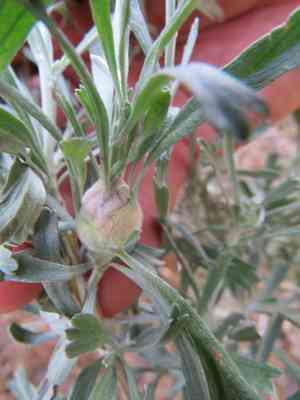
Artemisia arbuscula, a species within the Asteraceae family, predominantly reproduces via cuttings. To achieve successful growth, choose a robust, non-blooming shoot from the mature specimen. The incision should be made directly beneath a leaf joint, and the foliage on the bottom section should be taken off. Submerging the severed tip in rooting compound stimulates root formation. Insert the shoot into a substrate that drains effectively, making sure the node is covered. Keep the medium damp and supply filtered illumination until the root system is firmly established.
What Is the Best Time To Propagate Little Sagebrush?
Propagation Type
Cutting
Propagation Season
Spring,Summer
What Tools Are Used in Little Sagebrush Propagation?
Sharp Pruning Shears
Sharp pruning shears are crucial for making clean, precise cuts from little sagebrush. A clean cut helps ensure the cutting's vascular tissue remains undamaged, aiding better water and nutrient absorption during rooting. For little sagebrush, which has a woody stem, shears must be especially sharp to prevent harm.
Rooting Hormone Powder
Rooting hormone powder helps stimulate root development from little sagebrush cuttings. Applying a small amount to the freshly cut stem base significantly improves successful rooting by promoting faster and stronger root growth, vital for little sagebrush survival during early propagation stages.
Sterile Potting Mix
A sterile potting mix offers a contaminant-free environment, reducing the risk of fungal or bacterial infections, which could otherwise hinder little sagebrush's rooting process. An ideal mix for little sagebrush should drain well yet retain enough moisture to support root growth without becoming waterlogged.
Humidity Dome or Plastic Bag
Maintaining high humidity around little sagebrush cuttings is essential during root development. A humidity dome or a simple plastic bag can create a microenvironment that retains moisture and humidity, helping prevent cuttings from drying out before they establish roots.
Heat Mat
A heat mat promotes consistent soil temperature, which can significantly enhance root development for little sagebrush cuttings. Optimal temperature regulation helps activate the plant's growth hormones, thus improving the chances for successful rooting and plant vigor.
How to Propagate Little Sagebrush?
Propagation Type
Moderately Difficult
How to Care for Your Newly Propagated Little Sagebrush?
How to Care for Your Newly Propagated Little Sagebrush?
Once rooted and established, gradually introduce little sagebrush to its permanent outdoor spot. Ensure it is placed in an area with full sun and well-drained soil. Water little sagebrush sparingly, as it is drought tolerant once established. Minimal fertilization is needed; a light application of a balanced fertilizer annually is sufficient. Regularly check for pests or signs of disease and treat accordingly to maintain the health of little sagebrush.
Common Mistakes to Avoid When Propagating Little Sagebrush
Overwatering
Providing too much water can lead to root rot in little sagebrush, as it is adapted to dry environments and requires well-drained soil.
Using generic soil mix
Utilizing a soil mix that isn't specifically sandy or well-draining can retain excessive moisture, hindering the root growth and overall health of little sagebrush.
Neglecting light requirements
Failing to provide adequate sunlight can severely impede the growth and development of little sagebrush, potentially resulting in weak and leggy plants.
Tips For Propagating Little Sagebrush
Use appropriate soil mix
Employ a sandy, well-drained soil mix to support the natural habitat conditions of little sagebrush, ensuring better root health.
Ensure sufficient sunlight
Place little sagebrush in an area that receives full sun for the majority of the day to mimic its native, high-altitude environment.
Moderate watering
Water little sagebrush adequately but allow the soil to dry out between waterings, mimicking the arid conditions the plant thrives in.



