How to Prune Little sagebrush?
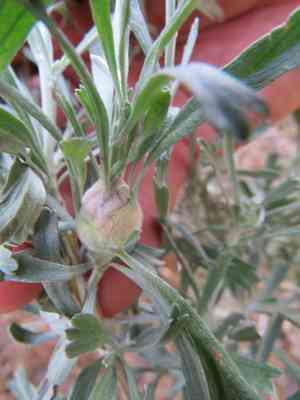
Distinguished by its compact, ground-hugging form, little sagebrush flourishes with infrequent trimming. The most suitable period for pruning is in winter while the plant is inactive, to lessen strain and stimulate development in spring. Only remove lifeless or ailing branches to preserve the plant's well-being and contour. This targeted trimming fosters vigorous, thriving foliage and sustains the plant's inherent shape, boosting its resilience in challenging environments.
What Are the Benefits of Pruning Little Sagebrush?
What Are the Benefits of Pruning Little Sagebrush?
Trimming little sagebrush encourages robust development and helps maintain a desirable, compact form. Regular cutting ensures denser foliage, contributing to the plant's overall health and visual appeal.
What Is the Best Time for Pruning Little Sagebrush?
What Is the Best Time for Pruning Little Sagebrush?
Winter is considered the optimal period to prune little sagebrush as it is dormant during this season. Pruning during dormancy promotes vigorous growth when the plant emerges in early spring. Additionally, the absence of leaves in winter offers clearer visibility and easier access for effective branch shaping. This timing also prevents plant stress and minimizes disease risk, as cold temperatures can reduce pests and pathogens.
What Tools Do I Need to Prune Little Sagebrush?
Hand Pruners
Ideal for cutting thinner, non-woody stems of little sagebrush, ensuring quick and clean cuts that encourage healthy regrowth.
Pruning Shears
Suitable for slightly thicker or woodier stems, these shears provide precision, which is vital for shaping little sagebrush without harming surrounding foliage.
Loppers
Useful for reaching deeper or higher sections of little sagebrush that are less accessible. Loppers offer the leverage needed to comfortably handle slightly thicker branches.
How to Prune Little Sagebrush
Identify
Identify the withered leaves, dead branches, and diseased branches on little sagebrush. Carefully assess the entire plant to ensure thorough pruning.
Disinfect
Disinfect your pruning tools before starting and between cuts on different plants. This prevents disease spread and ensures clean cuts that promote health in little sagebrush.
Cut withered leaves
Using sharp, clean scissors or pruners, gently remove withered leaves and any unhealthy foliage. Make cuts where leaves meet the stem or branch, being careful not to damage healthy tissue.
Prune branches
Prune dead and diseased branches at their point of origin or back to healthy wood. If the branch is partially alive, cut just above an outward-facing lateral bud or node, promoting better growth and air circulation.
Cleanup
Clean up and dispose of all pruned material from around little sagebrush to prevent the spread of potential diseases and remove habitat for plant pests. Maintain cleanliness around the plant to encourage healthy growth.
Common Pruning Mistakes with Little Sagebrush
Over-pruning
Removing too much foliage from little sagebrush can significantly weaken the plant. It is generally advisable not to remove more than a third of the total foliage in one pruning session, as this species is quite sensitive to heavy cutting.
Improper technique
Using dull or dirty pruning tools can damage the stems of little sagebrush, inhibiting healthy regrowth and potentially introducing disease. Always use sharp, clean pruning shears to make clean cuts.
Ignoring plant shape
Failing to consider the natural growth habit and shape of little sagebrush can result in a less aesthetically pleasing form. Gardeners should aim to maintain the natural, rounded shape of the plant while pruning.
Common Pruning Tips for Little Sagebrush
Selective thinning
Remove selected branches to thin out dense growth, which helps improve air circulation and light penetration throughout little sagebrush. This selective thinning promotes healthier and more robust growth.
Focus on old growth
Target older, woody stems for removal to encourage rejuvenation and the growth of younger, more vigorous shoots. This helps maintain the vitality and longevity of little sagebrush, ensuring lush, healthy foliage.
Clean equipment
Before and after pruning little sagebrush, clean the pruning shears with a solution of bleach or alcohol to prevent the spread of disease. Proper tool maintenance also ensures cleaner cuts that heal more quickly.



