How to Transplant False oat-grass?
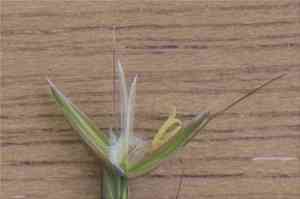
Transplanting false oat-grass is most effective when gentle weather arrives in early spring, facilitating strong root development. Choose spots that receive full sun to partial shade and have soil that drains efficiently. To encourage peak growth, amend the new planting area with compost or other organic materials.
What Preparations are Needed Before Transplanting False Oat-grass?
What is the Ideal Time for Transplanting False Oat-grass?
For false oat-grass, moving it in early spring, as the ground thaws, offers ideal conditions for root development before summer's heat. This timing allows false oat-grass a full growing season to establish strong roots, leading to a more robust and thriving plant. A gentle reminder: mild early spring weather reduces transplant stress, giving false oat-grass the best chance to flourish!
How Much Space Should You Leave Between False Oat-grass Plants?
Glad you're ready to work on false oat-grass this gardening season! Remember to provide ample room for each plant to thrive. Position your transplants approximately 1-2 feet (30-60 cm) apart. They will have plenty of space to grow and appreciate it!
What is the Best Soil Mix for False Oat-grass Transplanting?
Your false oat-grass would prefer soil that drains well. Enhance your soil with a slow-release granular fertilizer. You should incorporate this into the top 10 inches (25 cm) of soil prior to planting. This will supply your plants with the necessary nutrients!
Where Should You Relocate Your False Oat-grass?
Regarding placement, false oat-grass thrives in sunlight! Place it in an area that receives direct sun for at least 6 hours daily. However, don't worry if your garden has partial shade; your plant can tolerate it. Best of luck!
What Equipments Should You Prepare Before Transplantation False Oat-grass?
Gardening Gloves
To safeguard your hands while handling the soil and the plant.
Shovel or Spade
Needed for excavating the plant with its root ball from its original spot, or a planting hole in the new location.
Rake
To smooth out the soil surface after the plant has been relocated.
Pruning Shears
Used for trimming any damaged roots or branches before the transplanting process.
Garden Hose or Watering Can
To hydrate the plant before and after its relocation.
Wheelbarrow or Plant Pot
To safely transport the plant from its initial position to the new site.
Organic Mulch
To help safeguard the plant and retain moisture post-transplanting.
How Do You Remove False Oat-grass from the Soil?
How Do You Remove False Oat-grass from the Soil?
From Ground: Hydrate the false oat-grass plant to soften the earth. Then, using your shovel, dig a wide trench around the plant, being careful not to cut into the root ball. Pry the shovel beneath the root ball and gently lift the plant. If the plant is larger, you might need assistance from another person to hold the plant while lifting it.From Pot: First, water the false oat-grass plant. Next, turn the pot on its side, grasp the plant by its base, and gently tap the pot's rim on a firm surface. This should loosen the root ball, allowing the plant to slide out with the soil intact. If the plant is stuck, you may need to break the pot to extract it without causing harm.From Seedling Tray: Water the seedlings, then use a fork or your fingers to carefully pry them out, holding them by their leaves to avoid damaging their delicate stem or roots.
Step-by-Step Guide for Transplanting False Oat-grass
Digging Hole
Excavate a hole twice as wide and the same depth as the root ball of the false oat-grass plant.
Positioning
Place the false oat-grass plant into the hole. Verify that the top of the root ball is level with the ground. If not, remove the plant and adjust the hole's depth.
Backfilling
Refill the hole with the excavated soil, gently firming it around the plant's base.
Watering
Water the plant thoroughly, using a watering can or a hose with a gentle spray. This will help settle the soil around the roots.
Mulching
After the water has drained, apply a layer of organic mulch around the plant's base.
How Do You Care For False Oat-grass After Transplanting?
Monitoring
Observe the false oat-grass plant for several weeks to ensure it is thriving in its new location. Indicators of successful transplanting include the emergence of new leaves.
Watering
Water it consistently, especially during the initial 3-4 weeks post-transplant. Reduce watering if there are signs of rot or yellowing.
Pruning
Trim any dead or damaged branches using clean, sharp pruning shears. This will stimulate new growth.
Protection
Shield the transplanted false oat-grass plant from harsh weather, pests, and diseases. In the event of pests or disease, collect samples of the affected plant parts and consult with a local nursery or extension service.
Fertilizing
Avoid fertilizing the false oat-grass immediately. Wait until you observe signs of new growth, which indicate the plant has begun to establish itself in its new location.
Troubleshooting Common Issues with False Oat-grass Transplantation.
What's the best season for transplanting false oat-grass?
The optimal season for relocating false oat-grass is in season 1. During this period, the plant establishes itself most effectively.
What should I take into consideration when determining the spacing for false oat-grass?
Ideally, maintain a distance of approximately 1-2 feet (30-60 cm) between each false oat-grass plant. This provides ample room for growth and ensures optimal health.
How much sunlight does false oat-grass need after transplanting?
False oat-grass are generally tolerant of various sunlight conditions, but typically, a site with full sun to partial shade is most suitable.
Can I transplant a mature false oat-grass, and how?
Yes, a mature false oat-grass can be relocated. Dig around the base, preserving as much of the root system as possible. Replant with appropriate spacing.
How often should the transplanted false oat-grass be watered?
False oat-grass should be kept consistently moist, but not waterlogged. Watering frequency will depend on climate and soil types - do not allow it to dry out completely.
How should I prepare the soil for false oat-grass transplanting?
False oat-grass prefers fertile, well-drained soil. Enrich the soil with well-aged compost before transplanting. Ensure the planting site has good drainage.
Why is false oat-grass wilting after transplanting?
False oat-grass might wilt after transplanting due to transplant shock. Ensure proper watering, optimal light, and a suitable climate to aid its recovery.
Why hasn't my transplanted false oat-grass shown any growth?
False oat-grass might require time to establish after transplanting. Ensure it is receiving adequate water, light, and nutrients. If these conditions are met, be patient.
What to do if the leaves of my false oat-grass turn yellow after transplanting?
Yellowing leaves can indicate overwatering, nutrient deficiency, or disease. Review watering practices, improve the soil with organic matter if needed, and watch for signs of pests.
How deep should the hole be when transplanting false oat-grass?
When relocating false oat-grass, dig a hole twice as wide and the same depth as the root ball to allow for optimal root expansion.



