How to Prune False oat-grass?
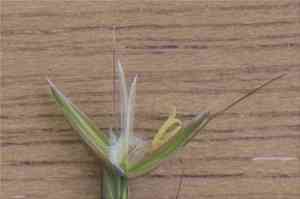
A resilient perennial grass, false oat-grass thrives in moderate environments. Trim in early spring or during winter prior to the emergence of new shoots. Upkeep entails severing aged leaves down to the soil surface, fostering air circulation and vigorous regeneration. Trimming manages its dimensions, stimulates thicker foliage, and can inhibit seed production if preferred. Employ sharp implements for precise cuts to lessen strain on the plant.
What Are the Benefits of Pruning False Oat-grass?
What Are the Benefits of Pruning False Oat-grass?
Trimming false oat-grass stimulates vigorous growth and helps preserve its desired form. By eliminating old or dense stems, air circulation and light penetration improve, boosting vitality and lowering disease risk.
What Is the Best Time for Pruning False Oat-grass?
What Is the Best Time for Pruning False Oat-grass?
Trimming false oat-grass in early spring is advantageous as it readies the plant for its new growth cycle by removing old and dead foliage, thereby encouraging robust new growth. This timing ensures that cuts have minimal impact on the plant's health since it is largely dormant but prepared to respond to warmer temperatures with fresh growth. Winter pruning, when the plant is fully dormant, is also beneficial as it places the least stress on false oat-grass. During this period, the absence of active growth allows the plant to recover without diverting resources from essential functions like root development and energy storage. Furthermore, without leaves, the structure of false oat-grass is more visible, simplifying the identification of parts needing pruning. These seasons avoid disrupting flowering or fruiting, ensuring that the aesthetic and ecological contributions of false oat-grass remain intact.
What Tools Do I Need to Prune False Oat-grass?
Hand Pruners
These are suitable for snipping slender grass blades and removing dead or damaged foliage. Given false oat-grass's fine leaves, hand pruners offer precision and ease for minor trimming tasks.
Grass Shears
For shaping and maintaining the tidy appearance of false oat-grass, grass shears are practical. They can easily cut through grass blades without harming the plant.
Pruning Saw
If false oat-grass has developed any thick, woody stems or requires a significant size reduction, a pruning saw can handle tougher cuts without damaging nearby grass.
Hedge Shears
Ideal for cutting larger areas or creating straight, clean borders in a landscape with false oat-grass. Hedge shears can manage the dense growth of false oat-grass and are excellent for trimming edges.
How to Prune False Oat-grass
Sanitization
Sterilize all trimming tools with a disinfectant solution to prevent the spread of diseases when cutting false oat-grass.
Identification
Carefully inspect false oat-grass for diseased and withered leaves. Look for signs of discoloration, spots, or deformities indicating poor health.
Removal of diseased leaves
With sharp, sanitized shears, gently remove diseased leaves from false oat-grass by cutting at the base of the leaf stem, ensuring a clean cut without harming the plant's healthy tissues.
Removal of withered leaves
Identify and trim withered leaves from false oat-grass using the same sanitized shears, cutting close to the ground to encourage healthy new growth.
Cleanup
Collect all removed leaves and debris from around false oat-grass to deter pests and diseases, and dispose of them properly, away from healthy plants.
Common Pruning Mistakes with False Oat-grass
Over pruning
Removing too much foliage from false oat-grass at once can weaken the plant. Aim to prune no more than one-third of the total foliage in a single session to avoid causing undue stress.
Uneven cutting
Trimming false oat-grass unevenly can result in a lopsided or misshapen appearance. Ensure cuts are made uniformly and consider the plant's natural shape while pruning.
Using dull tools
Employing dull trimming tools can damage false oat-grass's stems, leading to jagged cuts that may invite disease. Always use sharp, clean tools for crisp cuts that promote quicker healing.
Ignoring dead material
Failing to remove dead or diseased material can hinder false oat-grass's vigor and health. It is crucial to clear away any unhealthy foliage to maintain the plant's well-being.
Disregarding plant structure
Cutting without considering the natural structure of false oat-grass may impede optimal growth. Understand the growth pattern before pruning to enhance the plant's form and health.
Common Pruning Tips for False Oat-grass
Timing
While the best season is not to be discussed, ensure consistent trimming intervals to prevent overgrowth and maintain false oat-grass's shape.
Tool sanitization
Sanitize trimming tools before and after use to prevent the spread of disease to or from false oat-grass.
Pruning angle
Make cuts at a 45-degree angle to prevent water accumulation and promote quick healing for false oat-grass.
Target growth
Focus on trimming away thin, weak, or crowded growth to allow more light and air circulation, thus encouraging a stronger, healthier false oat-grass.
Pruning height
Maintain a consistent height during trimming to foster an even growth pattern and aesthetic shape for false oat-grass.



