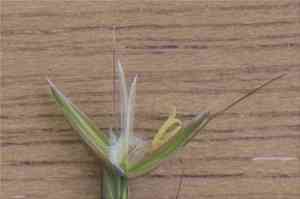
False oat-grass (Arrhenatherum elatius)
Also known as: False oat, Ribbon grass
False oat-grass (Arrhenatherum elatius) is originally from Europe, Asia, and North Africa. In these regions, it serves as a valuable forage and ornamental plant. However, after being introduced to North America for similar purposes, it has become invasive in prairie ecosystems. There, it is often regarded as a troublesome weed that competes with native species and disrupts agricultural practices.
In This Article
Attributes of False oat-grass
Lifespan
Perennial
Plant Type
Grass
Plant Height
30 cm to 46 cm
Spread
30 cm to 60 cm
Leaf Color
Green
Flower Size
N/A, flowers are inflorescences made up of many small spikelets
Flower Color
Green Yellow
Images of False oat-grass
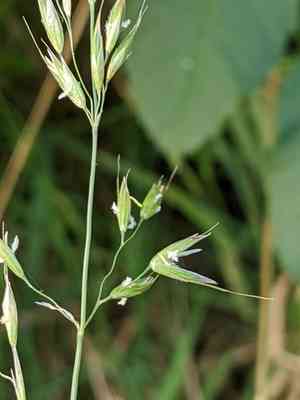
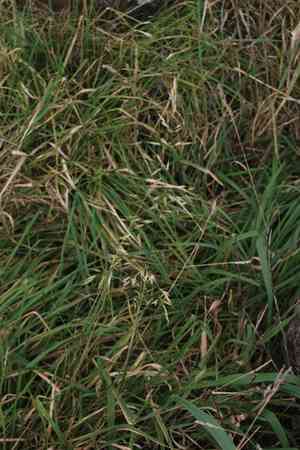
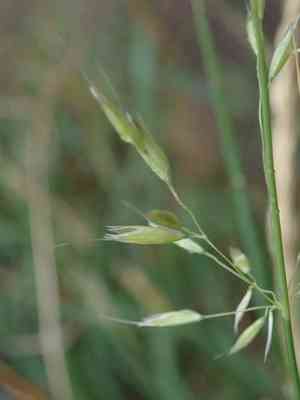
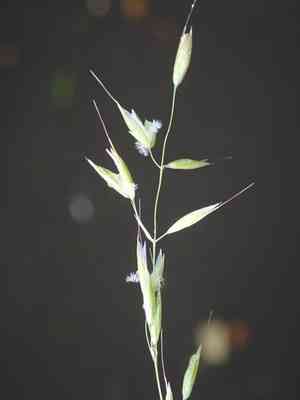
Quickly Identify False oat-grass
1
Identifying Arrhenatherum elatius involves looking for tall tufts of grass with wiry stems that can grow up to 1.5 meters in height. The leaves are linear and rough to the touch, and the plant produces panicles of oat-like spikelets.
Scientific Classification of False oat-grass
Phylum
Vascular plants
Class
Monocotyledons
Order
Poales
Family
Grass
Genus
Button-grass
Species
False oat-grass
Planting and Growing of False oat-grass
Care Difficulty
Easy
Watering Schedule
Every 3 days
Sunlight Requirements
Full sun
Sunshine Duration
10-12 hours
Ideal Temperature
59-77℉
Soil Type
Potting Mix, Peat Mix
Soil pH
6.5-7.5
Fertilizer Type
Balanced
Pruning Season
Spring, Summer
Pruning Area
Branches, Leaves
Pruning Frequency
2 times a year
Repotting Season
Spring
Pot Type
Ceramic, Plastic
 How to Water False oat-grass?
When watering Arrhenatherum elatius, ensure the soil is moistened but not waterlogged. This robust grass prefers a consistent amount of moisture, so water it thoroughly until the top 3 to 4 inches of soil are wet. Check the soil moisture by inserting your finger; the soil should feel damp but not soggy.
What are the symptoms of an underwatered False oat-grass?
›
What should I do if my False oat-grass is not getting enough water?
›
What are the symptoms of an overwatered False oat-grass?
›
How to save an overwatered False oat-grass?
›
 What Are the Sunlight Requirements for False oat-grass?
For optimal growth, place Arrhenatherum elatius in an area receiving features full sun with partial shade possible during the hottest parts of the day. Adequate sunlight leads to vigorous photosynthesis, robust growth, and higher seed production.
More About Sunlight Requirements Techniques→
Ideal Light Duration
›
Accommodating Growth Requirements
›
Ensuring Consistent Light Exposure
›
 What Is the Ideal Temperature Range for False oat-grass?
Arrhenatherum elatius thrives best when the temperature is maintained between 59°F and 77°F. This range facilitates optimal enzyme activity and photosynthesis, ensuring healthy growth and structural integrity of the plant.
 What Soil is Best for False oat-grass?
Arrhenatherum elatius thrives best in well-drained soils as it prevents root rot and supports proper nutrient absorption, leading to lush, healthy growth. This plant prefers soils rich in organic matter which provide essential nutrients, enhancing growth and overall plant vigor. Moderate soil moisture is crucial for Arrhenatherum elatius, ensuring the roots remain hydrated without promoting fungal diseases that damp conditions can foster.
 How to Fertilize False oat-grass?
For Arrhenatherum elatius, moderation is key when applying fertilizer. Each feeding should involve applying approximately 1/4 cup of a balanced 10-10-10 or 15-15-15 fertilizer per square meter. The quantity should be adjusted based on the growth stage and environmental conditions of the plant.
 How to Prune False oat-grass?
Start by removing any dead or yellowing leaves to maintain plant health. Next, trim back the long stems by a third to control the height and encourage new shoots. Use clean, sharp pruning shears to make neat cuts. Aim to create a balanced, bushy shape that enhances the overall look of your garden. Avoid cutting back more than a third in one go to prevent shocking the plant. In Spring, focus on removing dead vegetation and shaping the plant. In the early Summer, a light trim helps maintain shape and encourages flowering. Late Summer pruning can promote a second flush of flowers. Avoid pruning during Autumn and Winter as the plant is less active and may not recover well. Always aim for clean cuts at a slight angle, which helps rainwater run off and prevents rot.
More About Pruning Techniques→
 How to Propagate False oat-grass plant?
1
Start by filling a seed tray with a fine seed starting mix. Place the seeds on the surface and lightly cover them with soil. Water gently and place the tray in a sunny location. Ensure the soil remains moist during germination.
2
For division propagation, carefully dig around the base of the plant and remove it from the soil. Use a sharp spade to divide the plant into smaller sections, ensuring each section has roots attached. Replant promptly in prepared soil.
3
Once seedlings have developed two or more leaves, they can be transplanted. Harden them off by gradually exposing them to outdoor conditions. Plant them in a prepared bed with sufficient spacing for growth.
 How to Repot False oat-grass plant?
1
Look for signs that your Arrhenatherum elatius needs repotting, such as roots growing through the drainage holes or the plant becoming top-heavy. These indicators usually suggest it’s time to give your plant more space, generally every 2-3 years.
2
Select a pot that is one size larger than the current one, with adequate drainage holes. A clay pot can be ideal as it allows for better air circulation, which can help prevent root rot and keep the plant healthy.
3
Opt for a well-drained, loamy soil mix that retains some moisture yet allows excess water to escape. This soil type supports root health and prevents waterlogging, keeping your Arrhenatherum elatius thriving.
Toxicity
Ingestion
WARNING
The judgment on toxicity and danger is for reference only. We DO NOT GUARANTEE any accuracy of such judgment. Therefore, you SHALL NOT rely on such judgment. It is IMPORTANT TO SEEK PROFESSIONAL ADVICE in advance when necessary.



