How to Propagate False oat-grass?
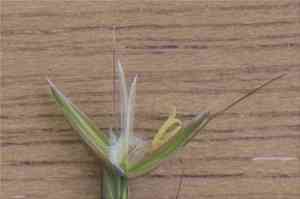
The most effective way to multiply False oat-grass is by dividing its root structure, a simple and efficient technique for cultivators. For successful propagation, separate the root balls while the plant is actively growing, making sure each piece possesses a sufficient root system. Gently pull apart the groupings to prevent harm, then quickly replant them to foster vigorous development, keeping the soil hydrated for proper rooting.
Optimal Period for False Oat-grass Propagation
Propagation Method
Division
Propagation Period
Spring,Autumn
Tools Required for False Oat-grass Propagation
Gardening Spade or Fork
Utilized to gently elevate and separate the root masses of false oat-grass from the ground. The robust, sharp edges of these implements are perfect for cutting through soil and roots without causing undue harm to the plant. This aids in maintaining the well-being of false oat-grass during separation.
Gardening Knife
A sharp, sturdy knife is crucial for severing the tougher root systems of false oat-grass. The precision offered by a premium gardening knife ensures clean cuts, minimizing root damage and fostering quicker recovery and successful propagation.
Pruning Shears
These are employed to trim away any dead or superfluous growth both before and after division. This not only simplifies handling false oat-grass but also helps redirect the plant's energy towards establishing new growth in its new location.
Rooting Hormone Powder or Gel
Applying a rooting hormone to the severed roots of false oat-grass can significantly boost propagation success by encouraging faster root development. This is especially beneficial for ensuring the viability and health of false oat-grass in its new setting.
Watering Can with Fine Rose
This implement is vital for providing gentle and uniform watering after division. Sufficient hydration is essential for helping false oat-grass recover and establish itself post-propagation. The fine rose attachment ensures water is distributed without disturbing the newly planted divisions.
Labels and Marker
Used for identifying different divisions of false oat-grass, particularly if varying care requirements are needed as they establish. This assists in monitoring progress and maintaining appropriate care for each division.
Steps to Propagate False Oat-grass
Propagation Difficulty
Easy
Post-Propagation Care for False Oat-grass
Post-Propagation Care for False Oat-grass
Following propagation, maintain a consistent watering schedule for false oat-grass, allowing the soil to dry slightly between waterings. Position the divisions in an area that receives full sun to partial shade. False oat-grass is relatively low-maintenance but benefits from annual feeding with a balanced fertilizer during the growing season and mulching to retain soil moisture and suppress weeds. Regularly inspect for and address any signs of pests or diseases.
Common Errors to Avoid When Propagating False Oat-grass
Excessive Watering
Overwatering can lead to root rot and fungal infections in false oat-grass, as it thrives in well-drained soil. Too much moisture hinders proper root development, compromising its overall health and propagation potential.
Using unsterilized tools
Employing tools that have not been disinfected can introduce pathogens and pests to false oat-grass, which are vulnerable during the delicate stages of propagation. This can result in unhealthy growth or propagation failure.
Sowing seeds too deeply
Planting false oat-grass seeds too deep can prevent them from receiving adequate light and air, which are crucial for germination. Seeds buried too far below the soil surface may not germinate at all, reducing propagation success.
Advice for Propagating False Oat-grass
Sufficient light during germination
Ensure that false oat-grass seeds are sown at a shallow depth and exposed to ample light. This promotes effective germination, which is critical for successful propagation.
Use of well-draining soil
Opt for well-draining soil when planting false oat-grass, as this will help prevent issues of waterlogging and root diseases. Proper drainage is vital for healthy root development and overall plant vigor.
Regular sterilization of tools
Sterilize all tools before use to protect false oat-grass from infections and pests during propagation. This promotes healthier growth and increases the chances of successful plant establishment.



