How to Transplant Gaping dutchman's pipe?
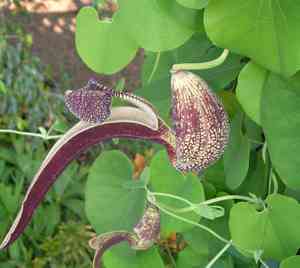
For Aristolochia ringens, the interval spanning early spring to the onset of summer heat is ideal for relocating, facilitating a seamless shift to a brightly lit, adequately draining spot. Gradual adjustment alongside regular hydration will strengthen its integration.
What Preparations are Needed Before Transplanting Gaping Dutchman's Pipe?
What is the Ideal Time for Transplanting Gaping Dutchman's Pipe?
The perfect time for moving gaping dutchman's pipe is from early spring to the beginning of summer. This period allows gaping dutchman's pipe to establish roots in the mild temperatures and consistent moisture typical of spring. Transplanting during this phase ensures strong growth, as the soil is warming but not excessively hot, which can stress plants. Furthermore, the gentle weather minimizes transplant shock, helping gaping dutchman's pipe to thrive. By selecting this optimal season for transplantation, gardeners provide gaping dutchman's pipe with the best possible start for a vigorous and healthy life.
How Much Space Should You Leave Between Gaping Dutchman's Pipe Plants?
When placing your gaping dutchman's pipe, aim for ample room in your garden. Position them approximately 36-48 inches (91-122 cm) apart. This will provide them with sufficient space to grow without competing for resources.
What is the Best Soil Mix for Gaping Dutchman's Pipe Transplanting?
Prepare an area with soil that drains well and enrich it with a balanced, slow-release fertilizer. Gaping dutchman's pipe thrives in soil abundant in organic matter, so consider incorporating compost before planting.
Where Should You Relocate Your Gaping Dutchman's Pipe?
Gaping dutchman's pipe prefers bright but indirect sunlight. Select a spot that avoids intense midday sun, such as an area with filtered shade or morning sun and afternoon protection.
What Equipments Should You Prepare Before Transplantation Gaping Dutchman's Pipe?
Gardening Gloves
To safeguard your hands while handling soil and plants.
Shovel or Spade
For digging around and lifting the plant's root ball from the ground.
Pruning Shears
To trim any damaged roots or excess foliage prior to transplanting.
Wheelbarrow or Garden Cart
To move the gaping dutchman's pipe from its original spot to the new location.
Watering Can or Hose
To hydrate the gaping dutchman's pipe both before removal and after replanting.
Garden Trowel
To refine the transplanting hole and to help firm down the soil after planting.
Measuring Tape
To ensure correct spacing from other plants and structures.
Stakes or Supports
To offer stability for gaping dutchman's pipe as it settles into its new position.
How Do You Remove Gaping Dutchman's Pipe from the Soil?
How Do You Remove Gaping Dutchman's Pipe from the Soil?
From Ground: Water the gaping dutchman's pipe to moisten the soil, making removal easier. Use a shovel or spade to dig a wide trench around the plant, ensuring the root ball remains intact. Gently work the tool underneath and lift the gaping dutchman's pipe with minimal root disturbance.From Pot: Tilt the container to its side and tap the bottom to loosen the root ball. Grasp the base of the gaping dutchman's pipe and gently jiggle it to encourage the root ball to slide out. Handle with care to minimize root damage.From Seedling Tray: Water the tray to dampen the soil and facilitate removal. Use a garden trowel or your fingers to gently lift the gaping dutchman's pipe out of its cell, preserving the roots and surrounding soil.
Step-by-Step Guide for Transplanting Gaping Dutchman's Pipe
Preparation
Gather all necessary tools and put on gardening gloves to protect your hands.
Removal
Follow the appropriate removal method based on whether gaping dutchman's pipe is coming from the ground, a pot, or a seedling tray, minimizing root damage.
Root Inspection
Trim any damaged roots with pruning shears to encourage healthy growth and remove any excess foliage.
Hole Digging
Dig a hole in the new location using a garden trowel or shovel, making it twice the width and the same depth as the root ball.
Placement
Position gaping dutchman's pipe in the hole, ensuring it's level with the surrounding soil surface. Fill the hole halfway with soil, gently firm it down, then water lightly.
Soil Backfill
After the water has drained, fill the rest of the hole with soil, firmly but gently tamping down to eliminate air pockets.
Stability
Secure gaping dutchman's pipe using stakes or supports if needed, especially if the plant is tall or top-heavy.
Final Watering
Thoroughly water the gaping dutchman's pipe, ensuring the soil is moist but not waterlogged.
How Do You Care For Gaping Dutchman's Pipe After Transplanting?
Monitoring
Regularly check the soil moisture, ensuring it's consistently moist to the touch without being waterlogged, especially during the initial few weeks.
Mulching
Apply a layer of mulch around the base of gaping dutchman's pipe to retain moisture, regulate soil temperature, and reduce weed competition.
Supporting
Adjust stakes or supports as gaping dutchman's pipe grows to ensure it remains secure and upright.
Trimming
Prune back any dead or damaged foliage to direct gaping dutchman's pipe's energy into establishing roots and new growth.
Observation
Watch for signs of stress, such as wilting or discolored leaves, and adjust care as necessary.
Troubleshooting Common Issues with Gaping Dutchman's Pipe Transplantation.
What's the best time to transplant gaping dutchman's pipe for optimal growth?
Transplant gaping dutchman's pipe during the ideal period from early to late spring, promoting strong root establishment.
How far apart should I space gaping dutchman's pipe when transplanting?
Allow each gaping dutchman's pipe ample room to thrive by spacing them 36-48 inches (91-122 cm) apart.
My gaping dutchman's pipe looks wilted post-transplant, what should I do?
A wilted gaping dutchman's pipe can recover with sufficient water and shade. Keep the soil moist and roots cool.
Why are the leaves of my transplanted gaping dutchman's pipe turning yellow?
Yellow leaves might indicate water stress or shock. Ensure consistent soil moisture and avoid overwatering.
Should I prune gaping dutchman's pipe before transplanting?
Pruning is generally not required before transplanting gaping dutchman's pipe, but do remove damaged or diseased foliage.
How deep should I plant gaping dutchman's pipe in the new location?
Plant gaping dutchman's pipe so the top of the root ball is level with the surrounding soil for optimal growth.
Can I transplant gaping dutchman's pipe on a hot day?
Transplant gaping dutchman's pipe on a cooler, overcast day to minimize stress and keep roots moist during the transition.
How often should I water gaping dutchman's pipe after transplanting?
Water gaping dutchman's pipe thoroughly after transplanting and regularly until established, allowing the soil to dry slightly between waterings.
What soil type is best for transplanting gaping dutchman's pipe?
Use well-draining, fertile soil, rich in organic matter to welcome gaping dutchman's pipe's new roots.
Is it necessary to fertilize gaping dutchman's pipe after transplanting?
Wait a few weeks before fertilizing gaping dutchman's pipe to allow them to settle and reduce the risk of root burn.



