How Much Sunlight Do Gaping dutchman's pipe Need?
1
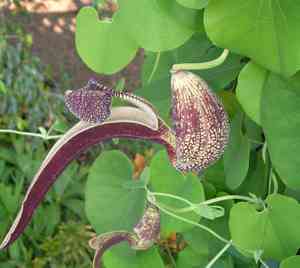
Aristolochia grandiflora flourishes optimally in locations receiving partial to full sun, needing a minimum of 6 hours of direct light each day.
2
Insufficient light exposure can lead to diminished development and reduced flowering.
3
Excessive sun can scorch foliage; employ methods to shade the plant.
What Level of Sunlight Does the Gaping Dutchman's Pipe Require?
Optimal Light Conditions
The Gaping Dutchman's Pipe, known for its distinctive and decorative blooms, needs balanced sunlight to thrive. Ideally, this plant should get partial to full sun, meaning it requires at least six hours of daylight daily. While it can endure some shade, ample light promotes vigorous growth and better flowering.
Daily Light Exposure
Consistent daily light exposure is vital for the Gaping Dutchman's Pipe. Aim for 6-8 hours of sunlight each day, preferably during the morning and late afternoon when the sun's intensity is lower. Placing this plant where it receives filtered light, such as under a tree that allows light to pass through, can be advantageous.
Seasonal Light Changes
Seasonal shifts can impact the plant's light exposure. In summer, when the sun is stronger, provide afternoon shade to prevent leaf scorch. During winter months, the Gaping Dutchman's Pipe might need more direct sunlight as the sun's power decreases. Adjust placement based on seasonal light variations to keep your plant flourishing year-round.
Impact of Insufficient Sunlight on Gaping Dutchman's Pipe
Indicators of Low Light
If the Gaping Dutchman's Pipe doesn't receive enough sunlight, it will show several signs. You might observe elongated stems as the plant stretches for light, fewer and smaller leaves, and a significant reduction in blooms. The foliage could also become lighter green or yellow in severe instances.
Risks of Prolonged Light Deprivation
Extended periods of insufficient sunlight can lead to stunted development and poor plant health. This increases susceptibility to pests and diseases, reduces flower production, and causes an overall decline in vigor. Ensuring a steady supply of sunlight helps prevent these negative effects and maintains your plant's optimal health.
Preventing Excessive Sunlight Exposure
Symptoms of Overexposure
Overexposure to intense sunlight primarily appears as leaf burn. Leaf edges may turn brown, become crispy, and dry out. Additionally, too much sun can cause leaves to curl and wilt due to excessive moisture loss. Monitoring your plant for these indicators helps you adjust its light exposure promptly.
Shading Methods
To prevent overexposure, especially during peak sun hours, use shading techniques. This can involve a garden shade cloth, positioning your Gaping Dutchman's Pipe in dappled light, or temporarily moving potted plants to shadier spots. These methods help balance light exposure and protect against sun damage.
Optimal Planting Locations
Selecting the right spot for your Gaping Dutchman's Pipe involves considering its light requirements and natural surroundings. Plant it where it can receive morning sun and afternoon shade. If planting in a garden, placing it beneath taller plants or trees that offer filtered sunlight can be ideal. For potted plants, positioning them near east or west-facing windows works best.
Modifying Sunlight Exposure for Indoor Cultivation
Choosing Appropriate Artificial Lighting
When growing the Gaping Dutchman's Pipe indoors, selecting suitable artificial lighting can mimic natural sunshine. Use full-spectrum fluorescent lights or LED grow lights. Ensure these lights provide about 6-8 hours of illumination daily to compensate for less natural sunlight.
Window Placement
Placing your Gaping Dutchman's Pipe near windows is crucial for maximizing natural light. East and west-facing windows are perfect as they offer morning and evening sunlight, respectively. Rotate the plant occasionally to ensure even light distribution on all sides.
Monitoring Light Levels
Regularly check the light intensity in the plant's environment. Use a light meter if necessary to confirm adequate light levels. If the plant shows signs of insufficient light, such as pale leaves or leggy growth, consider adjusting its location or increasing artificial light exposure.



