How to Prune Gaping dutchman's pipe?
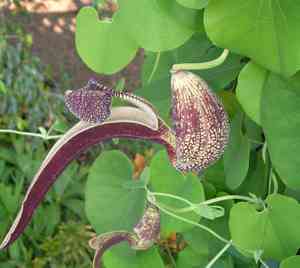
The unique, pipe-like blossoms of the gaping dutchman's pipe plant thrive with regular trimming, which encourages development and preserves its form. Perform pruning in late winter or early spring, prior to the emergence of new shoots. Eliminate any lifeless or compromised branches and sculpt the plant as preferred to enhance air movement and lessen the chance of illness. Thoughtful reduction can lead to a more abundant leaf presentation. Supplying opportune cuts will yield a more robust and flourishing plant.
What Are the Benefits of Pruning Gaping Dutchman's Pipe?
What Are the Benefits of Pruning Gaping Dutchman's Pipe?
Trimming gaping dutchman's pipe is crucial for sustaining its robust development and preferred form. Strategic cuts can foster stronger branching, elevate the plant's aesthetic appeal, and prevent it from becoming overgrown and unruly in the landscape.
What Is the Best Time for Pruning Gaping Dutchman's Pipe?
What Is the Best Time for Pruning Gaping Dutchman's Pipe?
Pruning gaping dutchman's pipe in late winter and early spring is optimal, as this period typically precedes the growth cycle's commencement. Pruning at this time stimulates vigorous growth and helps the plant channel its energy into developing strong, new growth as the season begins. It also reduces the likelihood of disease development, as open cuts are less vulnerable to infection when the plant is not actively growing. Furthermore, without foliage, the structure of gaping dutchman's pipe is more visible, allowing for precise cuts. This timing avoids the stress that pruning during the active growth phase in late spring or summer could induce, and it ensures the plant has ample time to recover before the intense summer heat. Avoiding fall pruning is also vital, as new growth triggered by pruning might not have sufficient time to harden off before winter, leading to cold damage.
What Tools Do I Need to Prune Gaping Dutchman's Pipe?
Bypass Pruners
Perfect for making clean cuts on the young, green stems of gaping dutchman's pipe, bypass pruners minimize damage to plant tissues, promoting healthy regrowth.
Loppers
For thicker branches that bypass pruners cannot manage, loppers provide the necessary leverage to cut through stems of gaping dutchman's pipe up to 1.5 inches in diameter with precision.
Pruning Saw
When gaping dutchman's pipe has developed large, woody stems, a pruning saw is essential for cleanly cutting through branches over 1.5 inches thick without causing undue strain or harm to the plant.
Gloves
To shield hands from the rough texture of gaping dutchman's pipe and any potentially irritating sap, durable gloves are indispensable for safe pruning.
How to Prune Gaping Dutchman's Pipe
Sanitization
Before beginning, ensure all pruning tools are cleaned and disinfected to prevent disease transmission to gaping dutchman's pipe.
Identification
Carefully inspect gaping dutchman's pipe to pinpoint diseased and withered leaves that require removal.
Cutting
Using sharp and sanitized pruning shears, make clean cuts to remove the diseased and withered leaves from gaping dutchman's pipe. Cut at the base of the leaf stem, close to the main stem, without causing damage.
Disposal
Properly dispose of the removed leaves to prevent any potential spread of pathogens in the garden.
Cleanup
Clear away any fallen debris from gaping dutchman's pipe's surroundings to maintain a tidy growing area and reduce the chances of pests and diseases.
Common Pruning Mistakes with Gaping Dutchman's Pipe
Overpruning
Removing excessive foliage at once can stress gaping dutchman's pipe, leading to stunted growth or plant shock. This can be particularly detrimental if more than one-third of the plant is removed in a single pruning session.
Improper cuts
Making cuts too close to the main stem or leaving too much of a stub when trimming gaping dutchman's pipe can result in poor healing and increased susceptibility to disease.
Ignoring health
Failing to remove diseased, dead, or damaged stems during pruning can hinder gaping dutchman's pipe's overall health and vigor, as these can serve as entry points for pests and diseases.
Neglecting tools
Using dull or dirty pruning tools can harm gaping dutchman's pipe's tissues, leading to jagged cuts that do not heal properly and may introduce pathogens.
Common Pruning Tips for Gaping Dutchman's Pipe
Sanitation
Always use clean, sharp pruning shears or scissors to make precise cuts on gaping dutchman's pipe, which will promote better healing and reduce the risk of disease spread.
Cutting technique
When cutting gaping dutchman's pipe, make angled cuts just above a leaf node or bud to encourage new growth in the desired direction and to allow water to drain off the cut surface.
Selective pruning
Focus on thinning out crowded areas to improve air circulation and light penetration. This will benefit gaping dutchman's pipe's overall health and promote more vigorous growth and flowering.
Growth encouragement
Prune gaping dutchman's pipe to maintain a desired shape and size, which will not only enhance its appearance but also encourage new growth that can potentially produce more flowers.



