How to Transplant Texas dutchman's pipe?
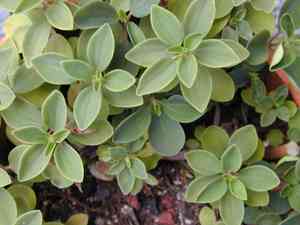
The ideal period for relocating texas dutchman's pipe spans from early spring's onset through the beginning of summer's warmth, facilitating strong root development. Position texas dutchman's pipe in partially shaded areas with soil that drains effectively for optimal growth. A gentle approach is crucialâpermit texas dutchman's pipe to acclimate gradually.
What Preparations are Needed Before Transplanting Texas Dutchman's Pipe?
What is the Ideal Time for Transplanting Texas Dutchman's Pipe?
The optimal period for relocating texas dutchman's pipe falls between the close of late spring and the start of early summer. During this interval, mild temperatures and consistent weather conditions provide texas dutchman's pipe an excellent opportunity to establish its root system firmly, free from frost risk or intense summer heat stress. Transplanting in this season not only gives your texas dutchman's pipe the best start in its new spot but also maximizes its growth potential. Ensuring you move texas dutchman's pipe during this prime timeframe significantly contributes to robust and thriving growth throughout the season.
How Much Space Should You Leave Between Texas Dutchman's Pipe Plants?
When getting ready for texas dutchman's pipe, proper spacing is crucial! Aim for a gap of 18-24 inches (46-61 cm) between each plant. This allows your texas dutchman's pipe ample room to thrive without being too crowded, which can hinder growth and overall health.
What is the Best Soil Mix for Texas Dutchman's Pipe Transplanting?
Before moving texas dutchman's pipe, prepare a well-draining soil mixture enriched with compost or aged manure to give it a strong start. Texas dutchman's pipe prefers a nutrient-rich base, so consider incorporating a balanced, slow-release fertilizer.
Where Should You Relocate Your Texas Dutchman's Pipe?
For the sun-loving texas dutchman's pipe, select a sunny to partially shaded area in your garden. Texas dutchman's pipe flourishes best with several hours of daily sunlight, especially in the morning, making a location that receives this light perfect for encouraging your plant's development.
What Equipments Should You Prepare Before Transplantation Texas Dutchman's Pipe?
Gardening Gloves
To safeguard your hands while handling soil and plants.
Trowel or Shovel
For excavating the texas dutchman's pipe and creating a new hole at the transplant site.
Watering Can or Hose
To hydrate the texas dutchman's pipe both prior to and following its relocation.
Garden Fork
To loosen the soil surrounding the texas dutchman's pipe when extracting it from the ground.
Pruning Shears
To trim any damaged roots or foliage.
Wheelbarrow
To transport the texas dutchman's pipe and soil as needed.
Mulch
To apply around the base of the texas dutchman's pipe after transplanting for moisture retention and weed suppression.
Rooting Hormone (optional)
To stimulate root development if desired.
How Do You Remove Texas Dutchman's Pipe from the Soil?
How Do You Remove Texas Dutchman's Pipe from the Soil?
From Ground: First, thoroughly water the texas dutchman's pipe to make the soil more workable. Then, use a garden fork to loosen the soil around the plant. Carefully insert the tool deeper to gently lift the root ball without causing damage, keeping as much original soil around the roots as possible.From Pot: Start by watering the texas dutchman's pipe to facilitate its removal. Turn the pot on its side and gently tap the edges to loosen the soil. Grasp the base of the texas dutchman's pipe, and slowly ease it out. If the plant is root-bound, carefully separate the roots before transplanting.From Seedling Tray: Water the tray to keep the soil and roots intact. Use a trowel to lift the texas dutchman's pipe from its compartment, taking care not to harm the delicate roots.
Step-by-Step Guide for Transplanting Texas Dutchman's Pipe
Plant Health
Inspect the texas dutchman's pipe for any signs of stress or damage before transplanting, and remove any affected parts.
Digging Hole
Excavate a hole twice the width of the root ball and as deep as its current position in the original spot to accommodate the texas dutchman's pipe's root system comfortably.
Preparing the Plant
Gently remove any excess soil from the roots and apply rooting hormone if you choose to use it.
Placement
Carefully position the texas dutchman's pipe in the center of the hole. Spread the roots outwards and ensure it stands upright at the same depth it was growing previously.
Backfilling
Fill the hole with soil around the root ball, tamping down lightly to eliminate air pockets. Do not bury the texas dutchman's pipe deeper than its original planting depth.
Watering
Thoroughly water the texas dutchman's pipe to settle the soil and provide moisture to the roots. This will also help remove any remaining air pockets.
Mulching
Apply a layer of mulch around the base of the texas dutchman's pipe to retain moisture and regulate soil temperature.
How Do You Care For Texas Dutchman's Pipe After Transplanting?
Stabilization
Utilize stakes or plant supports if the texas dutchman's pipe shows signs of leaning or instability following transplantation.
Regular Watering
Maintain consistently moist soil for the texas dutchman's pipe for several weeks. Avoid excessive watering, which can lead to root rot.
Monitoring
Observe the texas dutchman's pipe for indications of transplant shock, such as wilting or yellowing leaves, and intervene if necessary.
Protection
Shield the texas dutchman's pipe from strong winds or extreme temperatures during its initial adjustment period.
Weed Management
Regularly remove weeds to prevent competition for nutrients and water.
Troubleshooting Common Issues with Texas Dutchman's Pipe Transplantation.
What's the ideal time to transplant texas dutchman's pipe?
For optimal results, move texas dutchman's pipe between late spring and early summer to allow it to establish.
How far apart should I space texas dutchman's pipe when transplanting?
Position texas dutchman's pipe at intervals of 18-24 inches (45-60 cm), providing ample space for growth.
Why is my texas dutchman's pipe wilting post-transplant?
Wilting can be a symptom of transplant shock. Ensure the soil is moist and keep it out of direct sunlight for a few days.
How deep should I plant texas dutchman's pipe's root ball?
The top of the root ball should be level with the soil surface, neither too deep nor too shallow.
Can I transplant texas dutchman's pipe in full sunlight?
Yes, however, initially provide some shade after transplanting to reduce stress and gradually introduce it to full sun.
Is watering frequency important after transplanting texas dutchman's pipe?
Absolutely, water your texas dutchman's pipe thoroughly after transplanting and keep the soil consistently moist for several weeks.
What soil conditions does texas dutchman's pipe prefer for transplantation?
Use well-draining soil, rich in organic matter, and ensure it's loose to facilitate root expansion.
How do I avoid root circling when transplanting texas dutchman's pipe?
Gently untangle the roots before planting to encourage outward growth and prevent them from becoming root-bound.
What should I do if the leaves of texas dutchman's pipe turn yellow after transplanting?
Yellow leaves might indicate overwatering or a nutrient deficiency. Adjust watering and consider a balanced fertilizer.
Can I transplant texas dutchman's pipe during the peak summer heat?
It's best to avoid the hottest parts of summer to prevent excessive stress and dehydration.



