How to Prune Texas dutchman's pipe?
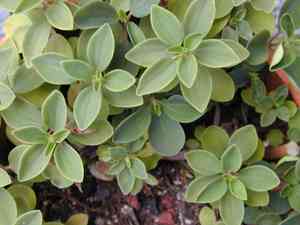
This enduring climbing plant is recognized for its cordate foliage and unique pipe-like blossoms. Essential trimming for texas dutchman's pipe entails excising deceased or injured stalks to stimulate robust development and encourage a neat appearance. The most effective time for pruning is in late winter or early spring, prior to the emergence of new shoots. Pruning enhances air movement and can regulate the dimensions of texas dutchman's pipe, averting excessive expansion. Dispose of severed portions with caution due to their possible poisonous nature.
What Are the Benefits of Pruning Texas Dutchman's Pipe?
What Are the Benefits of Pruning Texas Dutchman's Pipe?
Trimming texas dutchman's pipe promotes robust development and maintains its desired form. This leads to improved vitality, deters pests, and enhances blooming.
What Is the Best Time for Pruning Texas Dutchman's Pipe?
What Is the Best Time for Pruning Texas Dutchman's Pipe?
Trimming texas dutchman's pipe in late winter or early spring is optimal, typically before new growth starts. This allows the plant to recover and channel energy into developing strong new shoots. Late winter pruning ensures any frost damage has passed, reducing the risk of cold injury to fresh cuts. Early spring pruning aligns with the period just before the plant's growth cycle accelerates, ensuring that shaping doesn't interfere with its natural flowering, which usually occurs in late spring or early summer for texas dutchman's pipe. Removing dead or diseased tissue at this time fosters healthy growth and can improve the plant's overall structural integrity. Additionally, pruning before the main growing season helps the plant direct its energy to produce vigorous growth where desired.
What Tools Do I Need to Prune Texas Dutchman's Pipe?
Hand Pruners
Perfect for making precise cuts on texas dutchman's pipe, hand pruners are suitable for trimming thinner stems and removing dead or damaged foliage.
Loppers
With their extended handles and increased cutting power, loppers are effective for cutting through thicker stems of texas dutchman's pipe that hand pruners might struggle with.
Garden Shears
For shaping and managing the vine-like growth habit of texas dutchman's pipe, garden shears can be used to quickly snip a large number of small stems.
Pruning Saw
When dealing with mature or woody sections of texas dutchman's pipe, a pruning saw is essential for making clean cuts through large stems or branches.
How to Prune Texas Dutchman's Pipe
Sterilize
Before starting the pruning process, sanitize your pruning tools with isopropyl alcohol or a 10% bleach solution to prevent the spread of diseases to texas dutchman's pipe.
Identify
Carefully inspect texas dutchman's pipe to locate all diseased and withered leaves. Look for leaves with unusual spots, discoloration, or those that are completely dried out.
Cut Diseased Leaves
Using your sterilized pruning shears, carefully remove diseased leaves by cutting at the base of the leaf stem, ensuring a clean cut without tearing to avoid unnecessary damage to texas dutchman's pipe.
Cut Withered Leaves
Similarly, trim withered leaves by cutting them at the base of the leaf stem. This helps redirect texas dutchman's pipe's energy to healthy growth and maintains its aesthetic appeal.
Dispose
After pruning, promptly discard the diseased and withered leaves away from your garden to prevent any potential spread of disease to texas dutchman's pipe or other plants.
Common Pruning Mistakes with Texas Dutchman's Pipe
Over-Pruning
Removing too much foliage from texas dutchman's pipe can stress the plant and limit its ability to photosynthesize, which may hinder its growth.
Improper Cut Location
Making cuts too far from a node can leave a stub that risks disease entry and dieback. Conversely, cutting too close to the node can damage the bud.
Pruning Healthy Growth
Unnecessarily cutting away healthy vines and leaves can inhibit the growth and reduce the flowering potential of texas dutchman's pipe.
Tool Mismanagement
Using dull or unclean pruning tools can create jagged cuts that are more susceptible to pests and diseases, and may also damage the plant's delicate tissues.
Ignoring Plant Structure
Neglecting the natural growth pattern of texas dutchman's pipe when pruning may result in an undesirable shape and can disrupt the plant's aesthetic and health.
Common Pruning Tips for Texas Dutchman's Pipe
Selective Pruning
Focus on removing dead or damaged vines to help maintain the plant's vigor and direct energy to healthy growth.
Clean Cuts
Always use sharp, sterilized pruning shears to make clean, angled cuts near a node for faster healing and less risk of disease.
Prune For Ventilation
Thin out dense areas of growth in texas dutchman's pipe to increase air circulation and light penetration, which can help prevent disease and improve overall plant health.
Encourage Branching
Pinch back the tips of young shoots to stimulate branching, which can lead to a fuller plant and more potential sites for flowering.
Regular Maintenance
Regularly inspect texas dutchman's pipe for any signs of pests or diseases, and promptly remove affected areas to prevent further spread.



