How to Propagate Texas dutchman's pipe?
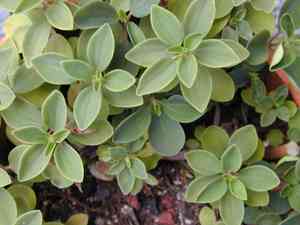
Aristolochia reticulata is a distinctive perennial climbing plant recognized for its peculiar, pipe-like blossoms. This variety flourishes in adequately drained substrates rich in organic material. Cultivators can effectively multiply Aristolochia reticulata by employing stem sections harvested from established specimens. The judicious choice of robust, healthy stems, combined with proper cutting preparation and a supportive cultivation setting, facilitates successful root development and subsequent growth. Ensure steady hydration and shield from direct solar exposure until roots are firmly established to stimulate new development. This propagation technique enables the proliferation of Aristolochia reticulata within horticultural spaces or the generation of plants for distribution.
Optimal Time for Texas Dutchman's Pipe Propagation
Propagation Method
Cutting
Propagation Period
Spring,Summer
Tools Required for Texas Dutchman's Pipe Propagation
Sharp Pruning Shears
These are essential for making clean cuts from the parent texas dutchman's pipe, preventing unnecessary harm to plant tissues. A precise cut improves the likelihood of successful rooting by minimizing infection risk and stress to the cutting.
Rooting Hormone
This chemical compound stimulates root formation from texas dutchman's pipe cuttings. Dipping the base of the cuttings in rooting hormone increases the probability of rapid and robust root development, crucial for successful propagation.
Sterile Potting Mix
Employing a sterile potting mix prevents the transmission of soil-borne pathogens to new cuttings. The mix should be light and drain well to support initial root growth without retaining excessive moisture that could cause rot.
Containers with Drainage Holes
These are utilized for planting texas dutchman's pipe cuttings. Drainage holes are vital for allowing surplus water to escape, which helps avert root rot and supports overall plant health during the delicate phase of root development.
Plastic Bags or Covers
These create a miniature greenhouse effect around the cutting, maintaining high humidity and a stable temperature, both critical for the rooting process of texas dutchman's pipe. Preventing cuttings from drying out before root establishment is crucial for propagation success.
How to Propagate Texas Dutchman's Pipe?
Propagation Difficulty
Moderately Difficult
Post-Propagation Care for Your Texas Dutchman's Pipe
How to Care for Your Newly Propagated Texas Dutchman's Pipe?
Following propagation, keep the soil of texas dutchman's pipe consistently moist but not waterlogged. Avoid direct sunlight as texas dutchman's pipe thrives in partial to full shade. Provide climbing support since texas dutchman's pipe is a vine and requires a structure to grow on. Regularly inspect for pests and diseases, especially during the active growth period. Prune as needed to maintain desired shape and size or to remove any dead or unhealthy growth.
Common Errors to Avoid When Propagating Texas Dutchman's Pipe
Over-watering
Excessive watering can lead to root rot in texas dutchman's pipe, as its roots need well-drained soil to function correctly. Too much moisture around the roots not only impedes their normal function but also fosters an environment conducive to fungal and bacterial infections.
Insufficient light
Propagating texas dutchman's pipe in too much shade can severely impact its development. Texas dutchman's pipe requires partial to full sun to flourish. Inadequate light compromises the plant's photosynthesis process, resulting in weak, leggy growth and a reduced survival rate.
Over-fertilizing
While texas dutchman's pipe benefits from rich soil, excessive fertilizer use can harm the plant. Too much fertilizer, particularly high in nitrogen, can lead to abundant foliage at the expense of root and stem development, making the plant less resilient and more susceptible to diseases.
Incorrect soil mixture
Using a soil mix that lacks proper drainage can be detrimental for texas dutchman's pipe. Texas dutchman's pipe thrives in a well-aerated and well-drained medium. Poor drainage can cause waterlogging, which can lead to root diseases and affect overall plant health.
Tips For Propagating Texas Dutchman's Pipe
Choose healthy stems
For cutting-based propagation, always select robust, healthy stems as they are more likely to root successfully. These stems should be free from any signs of disease, pests, or environmental stress.
Use rooting hormone
Applying a rooting hormone to the cut ends of texas dutchman's pipe can enhance root development. This boosts the chances of successful rooting by promoting quicker and more uniform root growth.
Maintain humidity
Maintaining a high humidity environment around texas dutchman's pipe cuttings helps prevent water loss and stress. This can be achieved by covering the cuttings with a plastic bag or using a humidity dome until roots develop.
Opt for warm temperatures
Warm temperatures, but not excessively hot, provide an ideal environment for root growth in texas dutchman's pipe. A steady, moderate temperature aids in the faster establishment of roots without causing heat stress.



