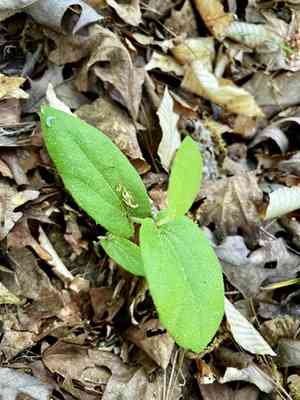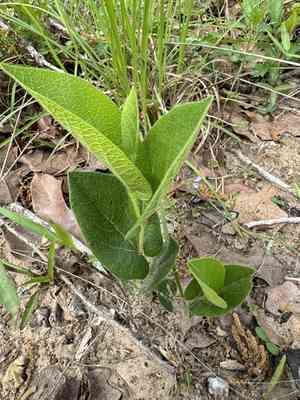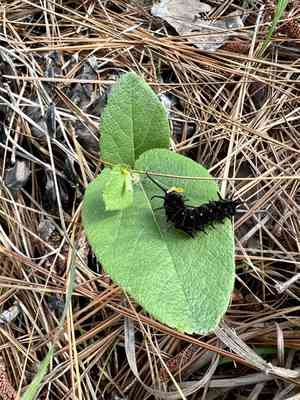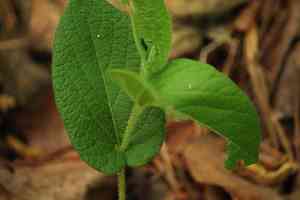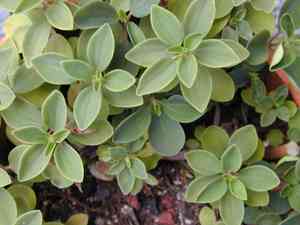
Texas dutchman's pipe(Aristolochia reticulata)

Texas dutchman's pipe (Aristolochia reticulata)

Also known as: Texas Dutchman's Pipe

The Texas dutchman's pipe, or Aristolochia erecta, is characterized by its distinctive heart-shaped leaves and small, pipe-like flowers. This perennial plant, rather than a vine, exhibits a sprawling growth form. Its flowers, typically yellow or greenish with maroon or purple accents, bloom in the spring and are notable for their unique shape.

This species prefers well-drained soils and can often be found in prairies, open woodlands, and rocky areas, thriving in both full sun and partial shade. Unlike many other Aristolochia species, it does not climb but rather grows close to the ground. The Texas dutchman's pipe also plays an essential role as a host plant for the pipevine swallowtail butterfly, supporting its larvae.

Attributes of Texas dutchman's pipe

Lifespan
Perennial
Plant Type
Vine, Herb
Plant Height
30 cm to 91 cm
Spread
Not applicable (vine habit)
Leaf Color
Green
Flower Size
5 to 7.5 cm
Flower Color
Dark purple to maroon with white mottling

ForwardPlant - Identify plants with a snap

Identify and diagnose plants, get toxicity alerts, and explore safety guides for all types of fungi.

Try for Free

Images of Texas dutchman's pipe

Texas dutchman's pipe(Aristolochia reticulata)

Quickly Identify Texas dutchman's pipe

1
Aristolochia reticulata can be identified by its distinctive pipe-shaped flowers, which are typically dark purple with a mottled pattern. The leaves are heart-shaped with a reticulated (net-like) vein pattern. The plant is a climbing vine, which can often be found wrapped around other vegetation.

Scientific Classification of Texas dutchman's pipe

Phylum
Vascular plants
Class
Dicotyledons
Order
Piperales
Family
Birthwort
Genus
Aristolochia
Species
Texas dutchman's pipe

Planting and Growing of Texas dutchman's pipe

Care Difficulty
Easy
Watering Schedule
Every 3 days
Sunlight Requirements
Partial sun
Sunshine Duration
4-8 hours
Ideal Temperature
65-75℉
Soil Type
Potting Mix, Peat Mix
Soil pH
6.5-7.5
Fertilizer Type
Balanced
Pruning Season
Spring, Summer
Pruning Area
Branches, Leaves
Pruning Frequency
2 times a year
Repotting Season
Spring
Pot Type
Plastic, Ceramic

water icon How to Water Texas dutchman's pipe?

For Aristolochia reticulata, ensuring that the soil remains consistently moist is key. Each watering session should provide around 300 milliliters of water, allowing the soil to be thoroughly soaked but not waterlogged. Aim for a balance where the top layers dry out slightly between waterings, which will help prevent root rot.
What are the symptoms of an underwatered Texas dutchman's pipe?
What should I do if my Texas dutchman's pipe is not getting enough water?
What are the symptoms of an overwatered Texas dutchman's pipe?
How to save an overwatered Texas dutchman's pipe?

sunlight icon What Are the Sunlight Requirements for Texas dutchman's pipe?

Sunlight Requirements: Partial sun
Duration of light: 4 to 6 hours
Optimal light range for Aristolochia reticulata is partial sun. Ideal lighting nurtures lush growth and healthy leaf patterns, supporting sustained photosynthesis and improving overall plant vitality and resistance.
Question 1: What is the best light exposure for Aristolochia reticulata?
Question 2: How can I provide ideal lighting for my Aristolochia reticulata indoors?
Question 3: What benefits does Aristolochia reticulata gain from ideal lighting conditions?

temperature icon What Is the Ideal Temperature Range for Texas dutchman's pipe?

Ideal Temperature: 65 ~ 75℉
Aristolochia reticulata thrives best in temperatures ranging from 65°F to 75°F. These conditions mimic the plant’s natural habitat, promoting optimal growth and bloom. Maintaining this temperature range ensures the plant can photosynthesize efficiently, supporting healthy leaves and vibrant flowers.

soil icon What Soil is Best for Texas dutchman's pipe?

Soil type: Loam, Sandy loam
Soil PH: 6.5 ~ 7.5
Aristolochia reticulata thrives in well-drained soil that prevents waterlogging around its roots, ensuring healthy growth by allowing air circulation and nutrient absorption efficiently. This plant benefits from nutrient-rich soil that supplies essential elements necessary for vigorous growth and development, enhancing its lush foliage and overall vigor. The soil should retain enough moisture to sustain Aristolochia reticulata without causing excess water retention, which could lead to root rot, supporting balanced hydration.

fertilize icon How to Fertilize Texas dutchman's pipe?

Fertilizer type: Balanced
Aristolochia reticulata appreciates a balanced feeding regimen. During the growing season, apply approximately 50-100 ppm of nitrogen per feeding if using liquid fertilizers. Adjust the amount based on the plant's specific growth and health, ensuring you do not over-fertilize.

prune icon How to Prune Texas dutchman's pipe?

Pruning Time: Spring, Summer
Begin by sterilizing your pruning tools to prevent disease transmission. Identify dead or damaged stems and remove them with clean cuts. Trim the plant back to guide its shape and promote new growth. Focus on removing crowded stems to ensure light penetration and air circulation, which are crucial for healthy development. To shape Aristolochia reticulata, concentrate on pruning just above a pair of healthy leaves, ensuring that new growth will follow your desired pattern. You can create a visually appealing outline by selectively removing wayward or overly long branches. This not only maintains the plant's aesthetics but also ensures that it grows vigorously. More About Pruning Techniques

propagate icon How to Propagate Texas dutchman's pipe plant?

Propagate Time: Spring,Early summer
1
Collect seeds from mature Aristolochia reticulata pods. Clean and dry them to prevent mold growth. This is crucial to ensure high germination rates and healthy seedling development.
2
Select healthy, non-flowering shoots for cuttings. Cut below a node, ensuring each cutting has at least two leaves. This increases rooting chances significantly.
3
For seeds, plant them in a pre-moistened seed tray. For cuttings, use a well-draining mix and plant cutting up to the first leaf node to encourage root development.
More About Propagating Techniques

repot icon How to Repot Texas dutchman's pipe plant?

Repotting frequency: Every 2-3 years
1
Look for signs such as roots growing out of drainage holes, soil becoming compacted, or slow growth. These are indicators that Aristolochia reticulata needs a roomier home.
2
Select a pot that is 1-2 inches larger in diameter than the current one. The extra space reduces the stress on the roots and promotes healthy growth, offering stability and room for expansion.
3
Choose a well-draining loamy mix to prevent waterlogging. This supports root health by avoiding soggy conditions and supplying essential nutrients for robust growth.

ForwardPlant - Identify plants with a snap

Find the best spots for them to optimize their health, simply using your phone.

Try for Free

Toxicity

Ingestion

Identify toxic plants for your safety

Learn which plants are harmful to you and your pets, and make informed choices for a safer home!

Try for Free
WARNING
The judgment on toxicity and danger is for reference only. We DO NOT GUARANTEE any accuracy of such judgment. Therefore, you SHALL NOT rely on such judgment. It is IMPORTANT TO SEEK PROFESSIONAL ADVICE in advance when necessary.