How to Transplant Sixweeks three-awn?
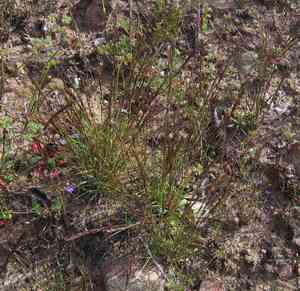
For sixweeks three-awn, the ideal period for relocation spans from the onset of mid-spring to the mild arrival of late spring, promoting vigorous development. Position it in soil that drains effectively, receiving ample sunlight, and ensure regular irrigation to aid its settling.
What Preparations are Needed Before Transplanting Sixweeks Three-awn?
What is the Ideal Time for Transplanting Sixweeks Three-awn?
The best time to move sixweeks three-awn is in mid-spring, as temperatures rise. This allows roots to settle before summer heat. Transplanting then encourages strong growth and a smooth transition. Settling sixweeks three-awn during this period ensures a robust, healthy plant that will flourish and enhance your space.
How Much Space Should You Leave Between Sixweeks Three-awn Plants?
When getting ready to transplant sixweeks three-awn, aim for ample room! Position them roughly 8-12 inches (20-30 cm) apart. This provides each plant with the necessary personal space to thrive and absorb sunlight!
What is the Best Soil Mix for Sixweeks Three-awn Transplanting?
For sixweeks three-awn, prepare a comfortable spot with soil that drains well. Sandy or loamy textures are ideal! Before planting, enrich the soil with a balanced, slow-release fertilizer; it's like a welcoming treat for your green companions!
Where Should You Relocate Your Sixweeks Three-awn?
Sixweeks three-awn loves absorbing sunlight, so choose a bright, sunny location in your garden. Full sun means at least 6 hours of direct light daily. They will show their appreciation with vigorous growth!
What Equipments Should You Prepare Before Transplantation Sixweeks Three-awn?
Gardening Gloves
To safeguard your hands while handling soil and plants.
Shovel or Garden Spade
To excavate the plant from its original spot and prepare the new planting hole.
Watering Can or Hose
To hydrate the sixweeks three-awn before and after relocation.
Measuring Tape
To ensure correct spacing between transplanted plants.
Pruning Shears
To trim any damaged roots or foliage.
Wheelbarrow or Garden Cart
To transport the sixweeks three-awn and soil.
Garden Trowel
For precise control when digging small holes or adjusting soil around the plant's root system.
How Do You Remove Sixweeks Three-awn from the Soil?
How Do You Remove Sixweeks Three-awn from the Soil?
From Ground: First, water the sixweeks three-awn plant to moisten the soil the day before. Then, using a shovel or spade, carefully dig a wide circle around the plant to avoid harming the root system. Gently loosen the soil and lift the plant from its spot.From Pot: Begin by watering the sixweeks three-awn to facilitate removal. Turn the pot on its side and gently tap to loosen the soil and roots. Carefully ease the plant out, ensuring the root ball is supported to prevent damage.From Seedling Tray: Dampen the soil around the sixweeks three-awn seedlings. Gently push from the bottom of the cell to raise the plant. Hold the seedling by its leaves, not the stem, to minimize damage when lifting it from the tray.
Step-by-Step Guide for Transplanting Sixweeks Three-awn
Preparation
Carefully clear any weeds and debris from the transplant area. Ensure the soil has been adequately prepared according to prior instructions.
Digging the Hole
Excavate a hole twice the width of the sixweeks three-awn's root ball and of equal depth. This promotes easier root expansion and soil adjustment.
Inspecting Roots
Before planting, examine the root ball of the sixweeks three-awn. Trim any damaged roots with pruning shears to encourage new growth.
Placement
Position the sixweeks three-awn in the center of the hole. The top of the root ball should be level with the surrounding soil surface for proper establishment.
Backfilling
Gently refill the hole with soil around the sixweeks three-awn's root ball, carefully compacting the soil to eliminate air pockets, but avoid over-compressing as this can harm the roots.
Final Watering
Thoroughly water the transplanted sixweeks three-awn to settle the soil and provide essential moisture for root recovery and growth.
How Do You Care For Sixweeks Three-awn After Transplanting?
First Watering
Immediately after transplanting, water the sixweeks three-awn generously to reduce transplant shock and provide necessary hydration for root development.
Mulching
Apply a layer of organic mulch around the base of the sixweeks three-awn to help retain soil moisture and suppress weeds. Do not allow the mulch to touch the plant's stem to prevent rot.
Pruning
Trim any dead or overly long foliage to direct the sixweeks three-awn's energy towards establishing its root system.
Monitoring
Regularly check the sixweeks three-awn for signs of distress, such as wilting leaves or stem discoloration, and address any issues promptly.
Troubleshooting Common Issues with Sixweeks Three-awn Transplantation.
How do I determine the best time to transplant sixweeks three-awn?
Transplant sixweeks three-awn during the ideal period, typically from mid to late spring, when the soil is warm.
What is the ideal distance between sixweeks three-awn plants?
Space sixweeks three-awn plants approximately 8-12 inches (20-30 cm) apart to allow sufficient room for growth.
Why are my transplanted sixweeks three-awn plants wilting?
Wilting after transplanting can be due to shock. Ensure adequate watering, initially avoid direct sun, and shield from strong winds.
How deep should the hole be when transplanting sixweeks three-awn?
The hole should be as deep as the root ball and twice its width to encourage root expansion.
Can I transplant sixweeks three-awn on a hot day?
It's best to transplant sixweeks three-awn on a cooler, overcast day to minimize stress and prevent immediate wilting.
Should I fertilize sixweeks three-awn after transplanting?
Wait a few weeks before fertilizing to allow sixweeks three-awn to establish itself in its new environment.
How often should I water sixweeks three-awn after transplanting?
Water sixweeks three-awn thoroughly after transplanting and keep the soil moist until the plant is established, usually for several weeks.
What should I do if the leaves of sixweeks three-awn turn yellow?
Yellow leaves may indicate overwatering or poor drainage. Ensure the soil drains well and adjust your watering schedule.
How can I prepare the soil before transplanting sixweeks three-awn?
Enrich the soil with organic matter, ensure it's loose and well-draining, and remove any weeds or debris.
Can sixweeks three-awn be transplanted in a container?
Yes, sixweeks three-awn can thrive in a container provided it has sufficient space, proper drainage, and consistent watering.



