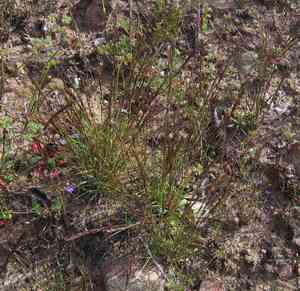
Sixweeks three-awn (Aristida adscensionis)
Also known as: Annual bristlegrass
The grass you're looking for is *Cenchrus ciliaris*, also known as buffel grass. This warm-season grass is crucial for animal forage in various arid regions worldwide. In India, it is utilized for weaving and thatching, while in Africa, it serves as stuffing for camel saddles. Buffel grass is also recognized as a pioneer species, capable of quickly colonizing disturbed or bare soil, which can make it invasive in some areas.
In This Article
Attributes of Sixweeks three-awn
Lifespan
Perennial, Annual
Plant Type
Grass
Plant Height
5 cm to 80 cm
Spread
N/A
Leaf Color
Green
Flower Size
4 cm to 20 cm
Flower Color
Yellow Green Purple Brown
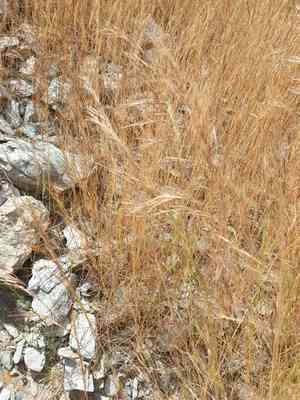
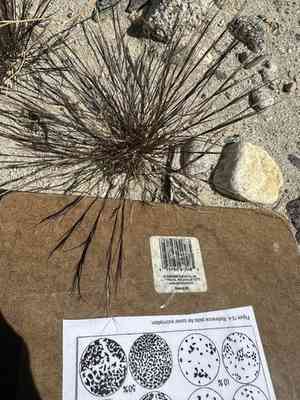
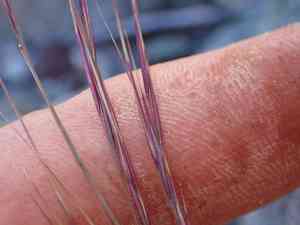
Images of Sixweeks three-awn
Quickly Identify Sixweeks three-awn
1
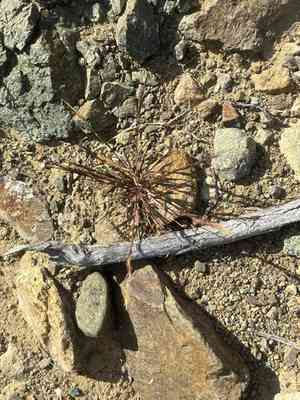
Aristida adscensionis can be identified by its long, thin, needle-like awns that protrude from the seed head. The grass tends to form bunches and grows up to 0.5 meters in height. The spikelets are typically 1-2 cm long, with distinctive three-parted awns.
Scientific Classification of Sixweeks three-awn
Phylum
Vascular plants
Class
Monocotyledons
Order
Poales
Family
Grass
Genus
Threeawn
Species
Sixweeks three-awn
Planting and Growing of Sixweeks three-awn
Care Difficulty
Easy
Watering Schedule
Every 3 days
Sunlight Requirements
Full sun
Sunshine Duration
4-8 hours
Ideal Temperature
65-75℉
Soil Type
Potting Mix, Peat Mix
Soil pH
6.5-7.5
Fertilizer Type
Balanced
Pruning Season
Spring, Summer
Pruning Area
Branches, Leaves
Pruning Frequency
2 times a year
Repotting Season
Spring
Pot Type
Plastic, Ceramic
 How to Water Sixweeks three-awn?
For Aristida adscensionis, water with approximately 200 ml each time. Ensure the soil is moderately moist, allowing the top inch to dry out before the next watering. This mirrors its natural climate, preventing root rot while ensuring adequate hydration.
What are the symptoms of an underwatered Sixweeks three-awn?
›
What should I do if my Sixweeks three-awn is not getting enough water?
›
What are the symptoms of an overwatered Sixweeks three-awn?
›
How to save an overwatered Sixweeks three-awn?
›
 What Are the Sunlight Requirements for Sixweeks three-awn?
Aristida adscensionis thrives best in full to partial sun environments. Ideal lighting ensures vigorous growth, vibrant green leaves, and optimizes the plant's photosynthetic capabilities.
Optimal Sunlight Exposure Duration
›
Strategic Placement for Sunlight
›
Using Reflective Surfaces
›
 What Is the Ideal Temperature Range for Sixweeks three-awn?
The ideal temperature range for growing Aristida adscensionis is between 65°F and 75°F. This range ensures optimal growth, allowing for adequate photosynthesis and nutrient uptake. It supports the natural conditions found in the plant's native environment, promoting healthy development.
 What Soil is Best for Sixweeks three-awn?
Aristida adscensionis thrives best in well-drained soils. This ensures that the plant doesn't suffer from root rot due to excessive moisture, providing a robust environment for strong root growth. While Aristida adscensionis can tolerate poor soil, having a nutrient-rich medium boosts its growth and yields. Balanced fertilization can enhance its drought resistance and overall health. Normal air circulation in the soil is crucial for this plant. Adequate aeration prevents compaction, supporting root breathing and hence healthier plant development.
 How to Fertilize Sixweeks three-awn?
Aristida adscensionis, commonly known as six weeks grass, doesn't require heavy fertilization. Ideally, a balanced liquid fertilizer should be applied in diluted form—roughly half the recommended dose. Its natural habitat doesn't offer nutrient-rich soil, so over-fertilization should be avoided to prevent root burn.
 How to Prune Sixweeks three-awn?
Prune Aristida adscensionis during its active growing seasons—spring, summer, and even autumn. Avoid winter pruning as the plant needs rest during colder months. Trim the plant to maintain its natural bushy appearance. Avoid excessive cutting which can stress the plant. A good guideline is to remove no more than one-third of the plant's foliage at a time. As new growth appears, consider light trimming to encourage a more compact shape, making the plant less susceptible to wind damage.
More About Pruning Techniques→
 How to Propagate Sixweeks three-awn plant?
1
Begin by filling the seed trays with potting soil, ensuring it is evenly spread. Moisten the soil lightly with water before sowing the seeds, to ensure adequate soil contact and initiate the germination process.
2
Sprinkle the Aristida adscensionis seeds over the prepared soil, and cover them with a thin layer of sand or soil. Ensure the seeds are not buried too deep, as this can affect their ability to germinate.
3
Place the seed trays in a location with ample light, and maintain a temperature of about 20-25°C. Regularly check for moisture, ensuring the soil remains damp but not waterlogged, as this encourages healthy seedling development.
 How to Repot Sixweeks three-awn plant?
1
Aristida adscensionis signals its need for repotting when the roots start to circle the pot or grow through the drainage holes. Another sign is when the soil loses its drainage ability or the plant's growth becomes stagnant. Though adaptable, repotting during its growing season in spring or summer ensures minimal stress.
2
Opt for a pot that is one size larger than the current one, with adequate drainage holes to prevent root rot. A terracotta pot can be ideal since it allows for better moisture evaporation, which aligns with Aristida adscensionis' preference for dryer conditions.
3
Selecting the right soil is crucial. A well-drained sandy mix mimics its natural habitat and prevents waterlogging. This kind of soil ensures that the roots receive ample air circulation, fostering robust growth and reducing the risk of fungal diseases.



