The Sixweeks three-awn Plant Advantage: Maximizing Home and Office Appeal and Wellness
1
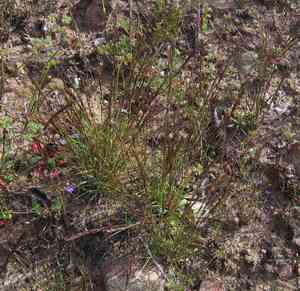
Sixweeks three-awn excels at preventing soil degradation because of its widespread root network.
2
This hardy vegetation flourishes in dry and water-scarce areas.
3
Sixweeks three-awn enhances ecological diversity by offering shelter and sustenance to numerous animal species.
Why is Sixweeks three-awn Important for Soil Health?
Erosion Control
Sixweeks three-awn plays a vital role in preventing soil erosion. Its extensive root network binds the soil, which helps to stop topsoil loss during heavy rainfall or strong winds. This is especially beneficial in dry and semi-dry regions where soil erosion is a major issue. By cultivating Sixweeks three-awn, landowners can significantly reduce soil degradation risks and maintain their land's fertility.
Soil Fertility
Beyond erosion prevention, Sixweeks three-awn also contributes to soil fertility. The plant aids in improving soil structure, making it more porous and better at retaining water and nutrients. This enhanced soil structure benefits other plants too, fostering a more diverse and productive ecosystem. Sixweeks three-awn roots can also draw nutrients from deeper soil layers, making them more accessible to other flora.
How Does Sixweeks three-awn Support Biodiversity?
Habitat for Wildlife
Sixweeks three-awn offers crucial habitat for various wildlife species. Birds, insects, and small mammals often find refuge within and around these plants. The seeds and foliage serve as essential food sources, helping to sustain local wildlife populations. This, in turn, supports the broader ecosystem by maintaining the balance among different species.
Supporting Plant Communities
Sixweeks three-awn frequently grows alongside other native plants, contributing to a more diverse plant community. Its presence can help other less robust plants thrive by stabilizing the soil and providing shade or windbreaks. This symbiotic relationship can significantly boost an area's overall health and biodiversity, making it more resilient to environmental shifts.
What Makes Sixweeks three-awn So Resilient?
Adaptation to Arid Conditions
One of Sixweeks three-awn's most remarkable traits is its exceptional ability to flourish in dry and drought-prone areas. This resilience stems from several adaptations, including a deep root system that allows the plant to access water from deeper soil strata. Additionally, Sixweeks three-awn exhibits high tolerance for saline soils, making it an excellent choice for areas impacted by soil salinization.
Low Maintenance Requirements
Sixweeks three-awn is a low-maintenance plant that needs minimal care once established. It doesn't require frequent watering or fertilization, making it a cost-effective option for land reclamation projects. Its capacity to grow in poor soil conditions further enhances its appeal for use in areas where other plants might struggle to survive.
Can Sixweeks three-awn Be Used in Land Reclamation Projects?
Revegetation of Degraded Lands
Sixweeks three-awn is an excellent choice for restoring degraded lands. Its ability to stabilize soil and enhance soil structure makes it ideal for rehabilitating areas affected by erosion, mining, and other disruptive activities. By planting Sixweeks three-awn, land managers can accelerate the recovery of these areas and encourage the return of native vegetation.
Combating Desertification
Desertification is a growing concern globally, but Sixweeks three-awn provides a natural solution. Its hardiness in harsh conditions makes it well-suited for combating desertification. By planting Sixweeks three-awn in vulnerable regions, we can slow or even reverse the desertification process, preserving ecosystems and livelihoods.



