How to Prune Sixweeks three-awn?
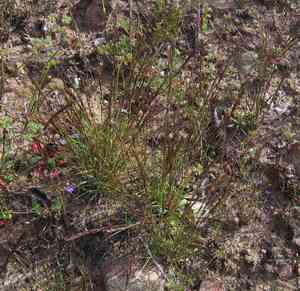
This ephemeral perennial grass, thriving in exposed, arid environments, sixweeks three-awn, benefits from judicious trimming to preserve its form and foster robust development. Conduct pruning in early spring or winter while the plant is inactive, eliminating withered or compromised leaves to stimulate fresh shoots. Trimming also improves air circulation, thereby lowering the likelihood of disease. Exercise restraint when cutting, as over-pruning can be detrimental to sixweeks three-awn. This maintenance practice accentuates its inherent structure and vitality, contributing to a tidy aesthetic in indigenous settings.
What Are the Benefits of Pruning Sixweeks Three-awn?
What Are the Benefits of Pruning Sixweeks Three-awn?
Trimming sixweeks three-awn promotes robust development and helps maintain its form, ensuring the plant stays attractive and vigorous. Regular cutting eliminates dead foliage, allowing for new, strong shoots.
What Is the Best Time for Pruning Sixweeks Three-awn?
What Is the Best Time for Pruning Sixweeks Three-awn?
Pruning sixweeks three-awn in early spring aligns with the period just before the onset of the growth cycle when the plant is still dormant, thus minimizing stress and promoting vigorous growth during the growing season. Trimming in winter, when the plant is fully dormant, is beneficial because it allows for the removal of dead or diseased foliage without interrupting growth processes. These seasons are considered optimal as they avoid cutting during the active growing and flowering period, ensuring sixweeks three-awn has sufficient energy reserves to recover and thrive. This timing helps to maintain the health and structural integrity of sixweeks three-awn, while also encouraging a robust bloom in the following season.
What Tools Do I Need to Prune Sixweeks Three-awn?
Hand Pruners
Perfect for cutting through the grass-like blades of sixweeks three-awn, hand pruners deliver a clean cut without harming the plant's remaining parts.
Grass Shears
Given that sixweeks three-awn possesses slender, delicate foliage, grass shears can be utilized to trim the blades uniformly and are useful for shaping the plant if desired.
Scissors
For more precise trimming, especially for removing dead or yellowing blades, a sharp pair of scissors can be used on sixweeks three-awn to make accurate cuts without disturbing the surrounding grass.
How to Prune Sixweeks Three-awn
Identify
Examine sixweeks three-awn closely to identify diseased or withered leaves which typically have discoloration, spots, or look dry and shriveled.
Disinfect
Before starting the pruning process, disinfect your pruning tools with a 10% bleach solution or rubbing alcohol to prevent the spread of disease.
Prune diseased
Carefully remove diseased leaves from sixweeks three-awn by using clean, sharp pruning shears. Cut close to the base of the leaf, without damaging the healthy stem or nearby leaves.
Prune withered
Trim off the withered leaves from sixweeks three-awn in a similar fashion, ensuring a clean cut to facilitate quick healing and prevent further damage.
Cleanup
Collect and dispose of all pruned material away from sixweeks three-awn to reduce the risk of disease re-infection. Clean the pruning tools again after use.
Common Pruning Mistakes with Sixweeks Three-awn
Over pruning
Removing too much foliage can harm sixweeks three-awn, as it relies on its leaves for photosynthesis and energy production. Novices often prune excessively, thinking it promotes growth, but this can lead to a weakened plant.
Improper tool use
Utilizing dull or unsanitary tools can damage sixweeks three-awn's delicate stems, potentially leading to disease or pest infestations. Experienced gardeners know to use sharp, clean implements for precise cuts.
Inconsistent pruning
Irregular or erratic pruning can result in uneven growth and a lack of shape for sixweeks three-awn. Consistency in pruning encourages balanced, vigorous growth.
Neglecting dead material
Failing to remove dead or diseased material can hinder the health of sixweeks three-awn. It is crucial to remove such materials to maintain vitality and prevent the spread of disease.
Ignoring plant structure
Not considering the natural growth pattern of sixweeks three-awn can result in a less aesthetically pleasing plant that does not thrive. Gardeners should understand sixweeks three-awn's structural habit for effective pruning.
Common Pruning Tips for Sixweeks Three-awn
Know growth habit
Understanding the growth habit of sixweeks three-awn is key to successful pruning. This knowledge helps in making informed decisions about where and how to make cuts, ensuring a healthy plant shape.
Prune for health
Remove only the dead, diseased, or damaged stems to promote sixweeks three-awn's health and well-being. This is fundamental for the plant to direct energy towards healthy growth.
Use sharp tools
Sharp, clean tools make precise cuts that heal quickly. This is essential to prevent disease entry points and promote quicker recovery for sixweeks three-awn.
Maintain natural shape
While pruning, aim to maintain sixweeks three-awn's natural form, as this supports the plant's growth and flowering. Prune strategically rather than shearing indiscriminately.
Post prune care
After pruning, provide sixweeks three-awn with adequate water and nutrients to support its recovery and new growth. This care is critical to ensure the plant is not stressed and can recover to full health.



