How to Transplant White prickly poppy?
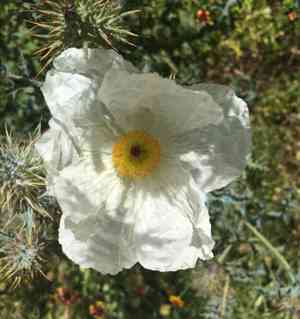
For white prickly poppy, the beginning of spring, particularly as temperatures rise slightly following the cold season, presents the ideal time for relocation. Select a bright location featuring soil that drains effectively. Careful manipulation is crucial to prevent harm to the roots.
What Preparations are Needed Before Transplanting White Prickly Poppy?
What is the Ideal Time for Transplanting White Prickly Poppy?
Moving your white prickly poppy during the revitalizing period of early to mid-spring is crucial. At this time, mild temperatures and increasing daylight encourage strong root development, giving your white prickly poppy the best start in its new spot. Transplanting now utilizes the natural growth cycle, boosting vigor and ensuring a smooth transition for these lovely plants.
How Much Space Should You Leave Between White Prickly Poppy Plants?
Transplant white prickly poppy with an approximate spacing of 2-3 feet (60-90 cm) between them. This will provide ample room for them to expand and grow. Remember, it's better to allow a bit more space than to crowd them too closely!
What is the Best Soil Mix for White Prickly Poppy Transplanting?
Prepare the soil prior to transplanting white prickly poppy. It thrives in well-draining soil, so consider a blend of standard garden soil, sand, and compost. Incorporate a slow-release fertilizer to supply nutrients over time. This will keep white prickly poppy thriving and healthy.
Where Should You Relocate Your White Prickly Poppy?
Choose a location for white prickly poppy that receives full sunlight, as it enjoys abundant light. Just ensure it's not excessively intense, as this could cause the foliage to droop. If uncertain, opt for a spot that gets approximately six hours of sun daily. Happy planting!
What Equipments Should You Prepare Before Transplantation White Prickly Poppy?
Gardening Gloves
These are important for safeguarding your hands while handling soil and the white prickly poppy plants.
A Trowel
This small gardening tool is perfect for excavating holes to transplant your white prickly poppy seedlings.
Garden Spade or Shovel
Required to assist in removing the white prickly poppy plant from its original site, especially if it's in the ground.
Watering Can
Essential for hydrating the white prickly poppy plant before and after relocation.
Pruning Shears
These might be necessary if the roots or stems of the white prickly poppy plant require trimming during the transplantation process.
Garden Cart or Wheelbarrow
Useful for moving large or multiple white prickly poppy plants.
How Do You Remove White Prickly Poppy from the Soil?
How Do You Remove White Prickly Poppy from the Soil?
From Ground: The white prickly poppy plant should be gently extracted from the soil. Begin by watering the white prickly poppy plant, as moist soil will facilitate removal. Then, use the garden spade to dig a trench around the white prickly poppy plant, ensuring the root ball remains intact. Push the spade beneath the root ball to lift the plant.From Pot: First, turn the pot on its side and carefully pull the white prickly poppy plant by its base. If it's tightly packed, try tapping the bottom of the pot to dislodge the plant.From Seedling Tray: Gently lift seedlings out of their compartments using a tool such as a wooden popsicle stick or pencil. Handle white prickly poppy seedlings by their leaves rather than their stem, which can be easily damaged.
Step-by-Step Guide for Transplanting White Prickly Poppy
Prep
Prepare your garden bed by loosening the soil with a trowel. Dig a hole that is twice the size of the root ball.
Positioning
Place the white prickly poppy plant into the hole, ensuring it stands upright. The top of the root ball should be level with the surface of the garden bed.
Refill
Backfill the hole with soil, being careful not to bury the plant deeper than it was in its original location, as this can stress the plant.
Watering
Water the white prickly poppy plant thoroughly after transplantation, making sure the water reaches the root ball.
Mulching
Add a layer of organic mulch around the base of the white prickly poppy plant to help retain moisture.
How Do You Care For White Prickly Poppy After Transplanting?
Watering
Consistent watering is crucial for the white prickly poppy plant until it establishes. Aim for frequent, shallow watering rather than less frequent deep watering.
Monitoring
Observe the white prickly poppy plant for any indications of transplant shock, which may include wilting or yellowing leaves, leaf drop, or stunted growth.
Pruning
Young white prickly poppy plants may benefit from light pruning to maintain their shape and encourage bushiness.
Protection
Keep an eye out for pests and diseases, and take prompt action if any are detected.
Troubleshooting Common Issues with White Prickly Poppy Transplantation.
When is the best time to transplant white prickly poppy?
The optimal period to relocate white prickly poppy falls between the first and second seasons. It's important to use seasonal changes as a guide for transplantation schedules.
What's the most recommended space between two white prickly poppy plants while transplanting?
To allow for healthy growth, maintain a spacing of approximately 2-3 feet (60-91 cm) between each white prickly poppy plant during transplantation.
Does white prickly poppy need special soil condition for transplantation?
White prickly poppy is quite adaptable and tolerates various soil types well. However, well-drained soil with adequate nutrients is recommended for healthier and stronger growth.
Should I transplant white prickly poppy in full sun?
Yes, white prickly poppy thrives in a sunny location. While it tolerates partial shade, you will observe optimal growth and flowering under full sunlight.
What should be the soil's pH for white prickly poppy while transplanting?
White prickly poppy is not particular about soil pH. It can adapt to a range of acidic, neutral, and alkaline soils. However, aim for a pH around 5.8-6.8 for best results.
Should I water the white prickly poppy immediately after transplanting?
Absolutely! Prompt watering after transplantation is very beneficial. But avoid overwatering, or it will lead to root rot. It's about finding the right balance.
What precautions should I take to protect my transplanted white prickly poppy from pests or diseases?
Regularly check for signs of pests or yellow leaves. Use organic pest control methods if necessary. Also, avoid excessive moisture and ensure good air circulation between plants to prevent diseases.
Why is my transplanted white prickly poppy wilting and how can I fix it?
Wilting can be a result of transplant shock. Consistent watering, maintaining proper spacing, and gradual exposure to sunlight can help the plant recover.
What should be the depth of the hole for transplanting white prickly poppy?
The hole for transplanting white prickly poppy should be twice the size of the root ball in both width and depth for optimal root development.
How should I prepare the white prickly poppy for transplantation?
Before transplanting white prickly poppy, try to water the plant thoroughly. It helps to alleviate the plant's stress and eases the transition, promoting quick root establishment.



