The Hidden Danger in Your Home? Unmasking the Toxicity of the White prickly poppy Plant.
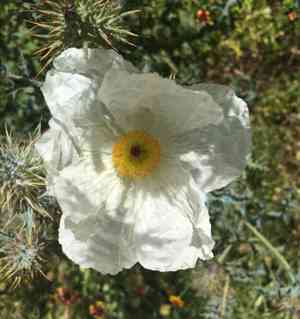
1
Ingesting white prickly poppy is highly poisonous, leading to serious sickness, unconsciousness, or fatality.
2
Both felines and canines face a poisoning hazard if they consume any portion of white prickly poppy.
3
The most toxic components of white prickly poppy are its seeds and roots, which hold potent alkaloids.
Is White prickly poppy toxic to humans?
White prickly poppy is highly poisonous if consumed. Ingestion can result in serious sickness, unconsciousness, or even fatality. Its toxicity stems from alkaloids present throughout the plant, especially in seeds and roots. Symptoms of white prickly poppy poisoning include throwing up, loose stools, impaired vision, passing out, and coma. Severe instances can be fatal, depending on the quantity ingested. Children are most susceptible to poisoning.
Is White prickly poppy toxic to cat?
White prickly poppy is harmful to felines. Should a cat consume any part of this plant, it could lead to poisoning. Cats might inadvertently eat parts of the plant, which endangers their health. Following ingestion, a cat may show general signs of discomfort or illness. It's vital for cat owners to protect their pets from accessing this plant and to watch for any signs of distress. If white prickly poppy poisoning is suspected, immediate professional veterinary attention is crucial for the affected cat's welfare.
Is White prickly poppy toxic to dog?
White prickly poppy is deemed harmful to canines. Dogs can be poisoned by this plant if they consume it by accident. The whole plant, including foliage, stalks, blooms, and seeds, contains toxic components that threaten canine health. After ingesting parts of white prickly poppy, dogs might display symptoms like digestive upset, throwing up, loose stools, sluggishness, or more severe responses based on the amount consumed. It is essential for dog owners to prevent their pets from reaching white prickly poppy and to observe them carefully in areas where this plant grows. In cases of suspected white prickly poppy poisoning, prompt veterinary care is critical to ensure the best outcome for the affected dog.



