How to Transplant Slender sandwort?
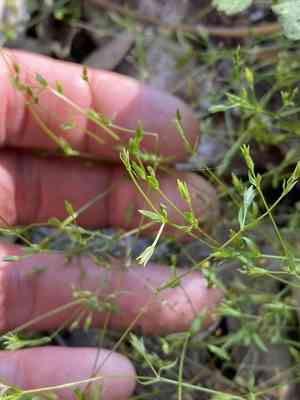
The ideal period for transplanting slender sandwort extends from the latter part of spring into the peak of summer, facilitating strong root development. Choose a location that receives ample sunlight and has soil that drains effectively. Undertake this task solely when the plant's vitality and condition necessitate a change of location.
What Preparations are Needed Before Transplanting Slender Sandwort?
What is the Ideal Time for Transplanting Slender Sandwort?
The optimal period for moving slender sandwort is from late spring's bloom to mid-summer's peak. During this season of growth, slender sandwort establishes roots more easily, benefiting from longer daylight and moderate temperatures that aid its development. This timing aligns with the plant's natural cycle, ensuring a smooth transition to its new spot. Transplanting slender sandwort within this window not only fosters a strong root system but also maximizes its vigor. A friendly reminderâplacing slender sandwort at this prime time is crucial for a vibrant display year after year!
How Much Space Should You Leave Between Slender Sandwort Plants?
Hello, aspiring gardener! For your slender sandwort, you'll want to provide ample room to flourish. Aim to transplant them approximately 4-6 inches (10-15 cm) apart. This spacing allows them to grow and thrive without competing for nutrients.
What is the Best Soil Mix for Slender Sandwort Transplanting?
Before introducing slender sandwort to its new home, ensure the soil is well-drained and rich. It's like preparing a comfortable bed for them! A good blend is loamy soil with some compost or a balanced (10-10-10) fertilizer to give them a healthy start.
Where Should You Relocate Your Slender Sandwort?
For the sun-loving health of your slender sandwort, choose a location where they will receive full sunlight or partial shade. Imagine a sunny to lightly shaded picnic spot - somewhere it can absorb the golden rays without becoming overheated.
What Equipments Should You Prepare Before Transplantation Slender Sandwort?
Gardening Gloves
To safeguard your hands while handling soil and plants.
Garden Trowel
For digging small holes to transplant the slender sandwort.
Spade or Shovel
To lift and relocate the plant's root ball during the transplanting process.
Watering Can or Hose with a Gentle Spray Setting
To hydrate the slender sandwort before and after its relocation.
Pruners or Scissors
To trim any damaged roots or leaves if necessary.
Measuring Tape
To maintain appropriate spacing between multiple transplanted plants.
Wheelbarrow or Garden Cart
To move the plant and soil without causing harm.
Plant Supports or Stakes
For use if the slender sandwort is tall or requires extra support after transplanting.
How Do You Remove Slender Sandwort from the Soil?
How Do You Remove Slender Sandwort from the Soil?
From Pot: Start by watering the slender sandwort to facilitate its removal. Gently tip the pot and tap its sides to loosen the soil. Carefully slide the plant out while supporting the stem's base with your hand.From Seedling Tray: Moisten the soil first to minimize root disturbance. Use a garden trowel or a wooden stick to carefully lift each slender sandwort seedling by its leaves, avoiding the delicate stem.From Ground: Water the slender sandwort to make the soil easier to work with. With a spade or shovel, dig a circle around the plant, leaving ample space to preserve the root ball. Gently pry under the root ball to extract the plant from the soil.
Step-by-Step Guide for Transplanting Slender Sandwort
Transplant Timing
Choose a cool or overcast day to minimize stress on the slender sandwort.
Preparing the New Site
Dig a hole in the ground that is twice as wide and as deep as the slender sandwort's root ball.
Plant Examination
Before transplanting, inspect the slender sandwort's roots for any signs of damage or disease and prune if needed.
Placement
Center the slender sandwort in the hole, ensuring it's at the same depth as it was previously growing. The top of the root ball should be level with the surrounding soil surface.
Refilling the Hole
Gently backfill the hole with soil around the root ball, carefully removing air pockets by lightly patting down the soil.
Watering
After transplanting, water the slender sandwort thoroughly to help settle the soil and hydrate the roots.
Staking
If the slender sandwort is tall or top-heavy, provide support with plant stakes to prevent it from leaning or being damaged by the wind.
How Do You Care For Slender Sandwort After Transplanting?
Mulching
Apply a layer of organic mulch around the base of the slender sandwort to help retain moisture, regulate soil temperature, and reduce weed competition.
Regular Watering
Maintain consistent moisture for the slender sandwort, watering deeply to encourage root growth while ensuring proper drainage.
Monitoring
Keep an eye on the slender sandwort for any signs of stress such as wilting or discolored leaves and address issues promptly.
Protection
Shield the slender sandwort from harsh elements, such as strong winds or heavy rain, until it becomes established.
Gentle Feeding
Start fertilizing with a balanced, slow-release fertilizer after a few weeks, allowing the slender sandwort to first focus on root establishment.
Troubleshooting Common Issues with Slender Sandwort Transplantation.
When is the best time to transplant slender sandwort?
The ideal time to relocate slender sandwort is during the warmer period of late spring to mid-summer.
What spacing should I keep between slender sandwort plants?
Position slender sandwort plants at sufficient intervals, optimally 4-6 inches (10-15 cm) apart, to ensure healthy growth.
Why is my slender sandwort not thriving after transplanting?
Slender sandwort may struggle if the soil isn't well-draining or if it's not receiving ample sunlight.
Should I water slender sandwort immediately after transplanting?
Yes, give slender sandwort a thorough watering to settle the soil around the roots and reduce transplant shock.
How deep should I plant slender sandwort?
Dig a hole for slender sandwort just as deep as its root ball and twice as wide to ensure enough room for roots.
How can I protect my newly transplanted slender sandwort from pests?
Monitor your slender sandwort for pests, and consider using appropriate, plant-safe insecticides if necessary.
Can I transplant slender sandwort on a cloudy day?
Transplanting slender sandwort on a cloudy day or during mild weather can prevent stress and drying out.
Why are the leaves of my slender sandwort wilting after transplanting?
Wilting may be due to transplant shock. Ensure adequate watering and avoid direct sunlight for a few days.
How do I prepare the soil before transplanting slender sandwort?
Enrich the soil with organic matter and ensure it's loose and fertile before transplanting slender sandwort.
Should I fertilize slender sandwort after transplanting?
Wait a few weeks before fertilizing slender sandwort to avoid burning the roots. Use a balanced, slow-release fertilizer.



