How to Propagate Slender sandwort?
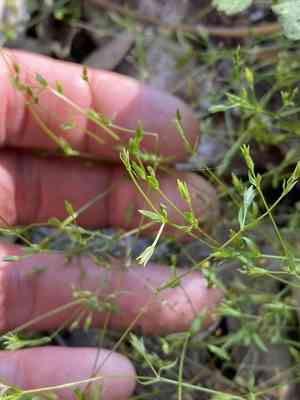
Slender sandwort generally reproduces effectively via seed dispersal. To achieve the best outcomes, utilize a growing medium that drains efficiently and ensure continuous dampness without waterlogging. After the young plants have developed sufficiently, they can be carefully relocated to their permanent planting site, guaranteeing ample room for robust development. These straightforward measures enable cultivators to successfully grow slender sandwort, including individuals new to horticulture.
Optimal Time for Slender Sandwort Propagation
Propagation Method
Seeding
Propagation Period
Spring
Tools for Slender Sandwort Propagation
Seed trays
Seed trays are vital for initiating slender sandwort from seeds, providing an organized method to manage numerous small seedlings within a confined space. The individual compartments allow each seedling to develop independently, minimizing root competition and simplifying later transplanting. Their compact size facilitates consistent soil moisture and temperature, crucial for slender sandwort germination.
Fine-grained soil mix
A fine-textured soil blend helps supply the delicate slender sandwort seeds with the ideal consistency for optimal root penetration and moisture retention. The fine texture ensures small seeds aren't buried too deeply, allowing sufficient light and air exchange, which are essential for slender sandwort's germination and initial growth stages.
Misting bottle
A misting bottle is crucial for gently hydrating slender sandwort seeds without disturbing them. Excessive water pressure can dislodge or bury seeds too deeply, impeding germination. The misting action creates a humid atmosphere, mimicking slender sandwort's natural propagation environment, thereby improving germination rates.
Grow lights (if indoor)
Grow lights can be essential if propagating slender sandwort indoors. They offer a consistent light source, ensuring seedlings receive the necessary wavelengths for photosynthesis. This is particularly important during germination and early growth phases, where adequate light is vital for healthy development.
Heat mat
A heat mat is beneficial for maintaining a steady soil temperature, which is critical for slender sandwort germination. It aids in creating a warm environment that stimulates the germination process, especially in cooler conditions or seasons when ambient temperatures might not be ideal for slender sandwort.
How to Propagate Slender Sandwort?
Propagation Type
Simple
Caring for Your Newly Propagated Slender Sandwort
Caring for Your Newly Propagated Slender Sandwort
Post-propagation, continue cultivating slender sandwort in well-draining, sandy soil within an area receiving partial to full sunlight. Water plants when the top inch of soil feels dry, avoiding overwatering. In colder climates, shield young plants from frost. Regularly inspect for pests and diseases, addressing any issues promptly to maintain plant health.
Common Errors to Avoid When Propagating Slender Sandwort
Overwatering
Excessive watering of slender sandwort can lead to waterlogged soil, reducing oxygen availability to roots, potentially causing root rot and a decline in overall plant health.
Deep planting
Planting slender sandwort cuttings or seeds too deeply can hinder germination and root emergence due to insufficient light and air exposure, which are critical for their development.
Overcrowding
Overcrowding slender sandwort during propagation may decrease air circulation around plants, increasing the risk of fungal diseases and inhibiting robust growth due to competition for light and nutrients.
Tips for Propagating Slender Sandwort
Moderate watering
Ensure slender sandwort receives moderate watering to keep the soil moist but not waterlogged, which is crucial for healthy root development without promoting root rot.
Shallow planting
Plant slender sandwort seeds or cuttings superficially to ensure adequate light and air exposure, essential for stimulating growth and successful germination.
Adequate spacing
Provide sufficient space between slender sandwort plants during propagation to enhance air circulation, which helps prevent fungal infections and ensures ample access to sunlight and nutrients.



