How to Prune Slender sandwort?
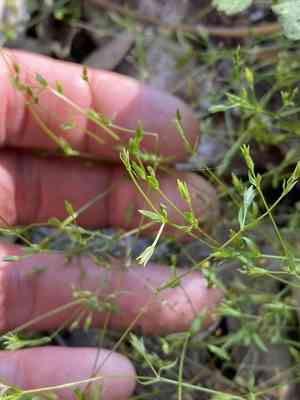
A fragile, ground-covering perennial, slender sandwort thrives with little maintenance. Trim gently following blooming to foster more compact development. Consistent shaping in Spring, Summer, or Autumn preserves its form, prevents excessive growth, and encourages robust new stems. Make sure cuts are clean to prevent harm. Thoughtful pruning not only keeps slender sandwort neat but also supports peak well-being, boosting its decorative charm.
Why Prune Slender Sandwort?
Why Prune Slender Sandwort?
Trimming slender sandwort promotes robust development and helps maintain its desired form. This ensures the plant stays healthy and visually appealing in the garden.
Optimal Pruning Times for Slender Sandwort
Optimal Pruning Times for Slender Sandwort
Pruning slender sandwort in Spring coincides with the start of its growth cycle, fostering vigorous new growth and maintaining its shape. Late Summer pruning is suitable for removing faded blooms and any excess growth without harming the plant, allowing it to recover before winter. Early Fall pruning is beneficial for removing dead or diseased foliage before dormancy, reducing disease transmission to the next season. These periods avoid the blooming phase, ensuring the floral display is unaffected and the plant's energy is directed towards healthy growth and root establishment.
Tools for Pruning Slender Sandwort
Small Pruning Shears
Given that slender sandwort is a delicate plant with fine stems, small pruning shears are perfect for making precise cuts without causing damage. These shears enable gardeners to remove dead or damaged foliage and shape the plant with minimal stress to its fragile branches.
Gardening Scissors
For even greater precision when trimming small or hard-to-reach areas of slender sandwort, gardening scissors are an excellent choice. They offer control and are ideal for deadheading or shaping smaller sections of the plant.
Handheld Pruners
These are useful for gardeners who wish to take healthy cuttings of slender sandwort for propagation. Handheld pruners provide a clean cut, which is vital for successful rooting of the cuttings.
How to Prune Slender Sandwort
Inspect
Examine slender sandwort for any shriveled leaves that require removal. Look for indications of browning, drying, or disease on the foliage.
Sterilize
Before pruning slender sandwort, clean and sterilize pruning tools to prevent the spread of diseases among plants.
Cut
Using sterilized scissors or pruning shears, carefully cut away the identified shriveled leaves at their base where they meet the stem. Avoid harming healthy parts of slender sandwort.
Discard
Properly dispose of the shriveled leaves, away from healthy plant areas to prevent potential disease spread.
Tidy Up
Clear away any plant debris around slender sandwort to maintain a neat growing environment and minimize pest risk.
Common Pruning Errors with Slender Sandwort
Excessive Pruning
Removing too much foliage from slender sandwort at once can stress the plant, leading to reduced vigor or even death. It's crucial to prune no more than one-third of the plant's total size during a single session.
Incorrect Cut Placement
Making cuts too far from a node or bud on slender sandwort can result in unsightly stubs and increase disease risk. Cuts should be made close to, but not directly on, the bud to encourage healthy regrowth.
Using Dull Tools
Pruning slender sandwort with a blunt instrument can cause bruising and ragged cuts that are more susceptible to infection. Always use sharp, clean pruning tools for clean cuts that heal quickly.
Ignoring Plant Form
Failing to consider the natural shape of slender sandwort when pruning can result in an unbalanced, unnatural appearance. It's essential to maintain the plant's natural form for both aesthetic and health reasons.
Helpful Pruning Advice for Slender Sandwort
Targeted Thinning
Focus on removing old woody stems, crowded branches, and weak growth to improve air circulation and light penetration for slender sandwort, which supports overall plant health and stimulates new growth.
Cutting Method
Make angled cuts just above the nodes on slender sandwort to encourage new growth in the desired direction. Ensuring the angle slopes away from the bud prevents water accumulation, reducing the risk of disease.
Regular Upkeep
Regularly deadhead spent flowers of slender sandwort to encourage more blooms and prevent the plant from putting energy into seed production. This could also prolong the flowering season.
Post-Bloom Trim
Since season timing is to be excluded, a general tip for slender sandwort would be to trim back after the flowering period has ended to keep the plant compact and to potentially encourage a second bloom in some species.



