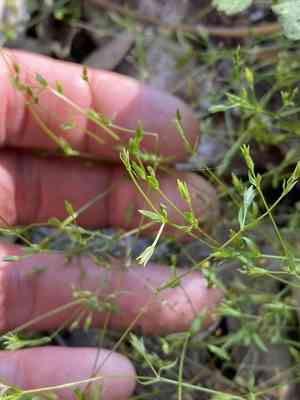
Slender sandwort (Arenaria leptoclados)
Also known as: Small fine-leaved sandwort
Arenaria leptoclados, also known as slender sandwort, is sometimes referred to as lesser thymeleaf sandwort. This Eurasian plant produces a dry fruit that splits open when ripe and can reach a height of up to 5 meters.
In This Article
Attributes of Slender sandwort
Lifespan
Annual, Perennial
Plant Type
Herb
Plant Height
10 cm to 30 cm
Spread
Not applicable, as this is a small, slender plant without a prominent crown
Leaf Color
Green
Flower Size
3 mm to 5 mm
Flower Color
White
Images of Slender sandwort
Quickly Identify Slender sandwort
1
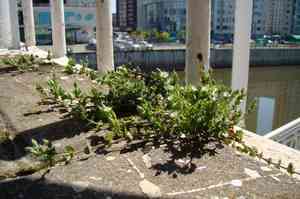
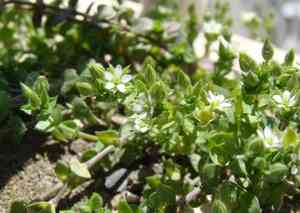
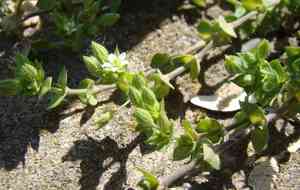
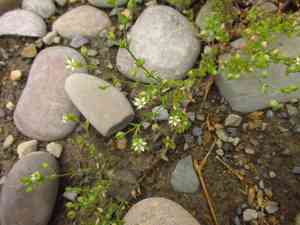
This plant can be identified by its slender, erect stems that are typically less than 30 cm in height. The leaves are small, narrow, and lance-shaped. The flowers are small, white, and are usually produced in clusters at the tips of the stems.
Scientific Classification of Slender sandwort
Phylum
Vascular plants
Class
Dicotyledons
Order
Caryophyllales
Family
Pink
Genus
Sandworts
Species
Slender sandwort
Planting and Growing of Slender sandwort
Care Difficulty
Easy
Watering Schedule
Every 4 days
Sunlight Requirements
Full sun
Sunshine Duration
6-10 hours
Ideal Temperature
59-68℉
Soil Type
Potting Mix, Peat Mix
Soil pH
6.5-7.5
Fertilizer Type
Balanced
Pruning Season
Spring, Summer
Pruning Area
Branches, Leaves
Pruning Frequency
2 times a year
Repotting Season
Spring
Pot Type
Plastic, Ceramic
 How to Water Slender sandwort?
For Arenaria leptoclados, ensure the soil remains slightly moist but never soggy. Typically, 100ml of water per session is sufficient. This amount keeps the delicate balance of not drowning the roots while providing enough hydration to maintain plant health. Adjust based on humidity and environmental conditions.
What are the symptoms of an underwatered Slender sandwort?
›
What should I do if my Slender sandwort is not getting enough water?
›
What are the symptoms of an overwatered Slender sandwort?
›
How to save an overwatered Slender sandwort?
›
 What Are the Sunlight Requirements for Slender sandwort?
Arenaria leptoclados thrives in full to partial sun, with ideal benefits such as vigorous growth and frequent flowering when exposed to 4 to 8 hours of sunlight.
More About Sunlight Requirements Techniques→
What is the best type of sunlight for Arenaria leptoclados?
›
How can I ensure Arenaria leptoclados receives perfect sunlight?
›
What are the benefits of optimal sunlight for Arenaria leptoclados?
›
 What Is the Ideal Temperature Range for Slender sandwort?
Arenaria leptoclados thrives best in temperatures ranging between 59°F and 68°F. This range provides the optimal environment for growth and development, ensuring that metabolic and photosynthetic processes occur efficiently. Maintaining these conditions will support healthy foliage and blooms.
 What Soil is Best for Slender sandwort?
Arenaria leptoclados thrives best in well-drained soils, preventing waterlogging which could lead to root rot. This condition promotes healthy root development and access to essential nutrients. This species benefits from soil that maintains moderate fertility. It doesn’t thrive in overly rich soils, which can lead to excessive foliage growth at the expense of flowers. The plant prefers soil with good aeration, which allows the roots to access oxygen easily. This prevents the roots from suffocating and promotes vigorous growth.
 How to Fertilize Slender sandwort?
When fertilizing Arenaria leptoclados, it's essential to use a light hand. This plant thrives in lean soil conditions, which means that excessive fertilizer can lead to leggy growth. A diluted liquid fertilizer, at one-quarter strength, is recommended during the growing season. Use about 5 ml per liter of water for liquid fertilizer applications.
 How to Prune Slender sandwort?
Start by identifying stems that are old, dead, or damaged. These are the first targets for pruning because removing them will encourage healthier branches to develop and promote overall plant vigor. Make your cuts just above a node or bud. This ensures that energy isn't wasted on portions that are removed, encouraging the growth of healthy and robust shoots throughout the plant. While pruning, consider the desired shape of your Arenaria leptoclados. Trim around the outside of the plant to create a pleasing form. Regular shaping helps maintain an aesthetic appearance and keeps the plant within desired boundaries.
More About Pruning Techniques→
 How to Propagate Slender sandwort plant?
1
Collect mature seeds from the Arenaria leptoclados plant in late spring or early summer. Ensure seeds are dry and free of pathogens for successful germination. Store them in a cool, dry place until sowing.
2
Select healthy stems from the Arenaria leptoclados plant. Use sterilized equipment to make clean cuts below a node. Remove lower leaves to focus energy on root development, and dip cuttings in rooting hormone for better results.
3
Divide mature Arenaria leptoclados plants during early spring. Carefully separate the root ball into sections, ensuring each section has healthy roots and shoots. Replant divisions immediately in prepared soil.
 How to Repot Slender sandwort plant?
1
You should consider repotting Arenaria leptoclados when you notice roots growing out of the drainage holes or when the plant's growth significantly slows down, signaling it's become root-bound.
2
Select a pot that is only one size larger than the current one. It should provide good drainage to avoid waterlogging, essential for the plant's health, ensuring roots have enough room to spread without holding excess water.
3
Opt for a well-drained sandy mix to encourage proper water retention and prevent root rot. This type of soil closely mimics their natural environment, ensuring the plant stays healthy and vibrant.



