How to Transplant Arcytophyllum nitidum?
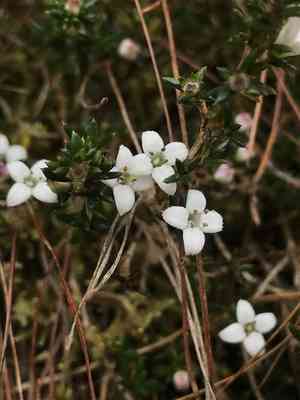
Arcytophyllum nitidum, a perennial species, flourishes when relocated from the onset of spring until mid-spring, or throughout the mild period of autumn. This plant favors a site featuring adequately draining earth and filtered sun exposure. Exercise caution during handling to prevent damage to its root system.
What Preparations are Needed Before Relocating Arcytophyllum Nitidum?
What is the Optimal Period for Relocating Arcytophyllum Nitidum?
Arcytophyllum nitidum, a perennial, is best moved from early to late spring or mid to late autumn. These periods provide ideal moisture levels and moderate temperatures, aiding root establishment. Relocating during these times lessens stress and boosts growth potential, ultimately ensuring successful adaptation and robust development.
How Much Space Should You Allow Between Arcytophyllum Nitidum Plants?
Ensure you position arcytophyllum nitidum 12-18 inches (30-45 cm) apart when relocating. This provides ample room for growth and guarantees good air circulation.
What is the Best Soil Mixture for Arcytophyllum Nitidum Relocation?
For arcytophyllum nitidum, utilize well-draining soil comprising loam, sand, and organic matter. You can enrich the soil with a balanced base fertilizer, such as 10-10-10 (N-P-K ratio), to supply essential nutrients.
Where Should You Move Your Arcytophyllum Nitidum?
Select a sunny spot for relocating arcytophyllum nitidum. This plant thrives with at least 6 hours of direct sunlight daily to ensure vigorous growth.
What Equipment Should You Prepare Before Relocating Arcytophyllum Nitidum?
Gardening Gloves
To safeguard your hands while handling soil and the plant.
Shovel or Spade
To excavate around and lift the plant from its initial position.
Hand Trowel
For smaller, more delicate digging tasks, especially when dealing with young plants.
Watering Can or Hose
To moisten the soil and hydrate the plant during and after relocation.
Compost or Organic Matter
To enrich the soil in the new location.
Mulch
To retain moisture and suppress weeds around the plant post-relocation.
Stakes and Ties
To support the plant if it requires assistance standing upright immediately after relocation.
How Do You Extract Arcytophyllum Nitidum from the Soil?
How Do You Extract Arcytophyllum Nitidum from the Soil?
From Ground: First, water the arcytophyllum nitidum plant to moisten the soil. Then, dig a wide trench around the plant using a shovel or spade, ensuring the plant's root ball remains intact. Carefully work the spade beneath the root ball to lift the plant from its original spot.From Pot: Water the arcytophyllum nitidum plant to facilitate removal. Gently tilt the pot on its side and carefully slide the plant out, supporting the root ball as you do so. If the plant is stuck, you can tap the sides of the pot to loosen the soil.From Seedling Tray: Water the seedling to dampen the soil. Use a hand trowel to gently lift the seedling from the tray, taking care not to harm the roots. If the roots are intertwined, use your fingers to gently separate them without pulling too hard.
Step-by-Step Guide for Relocating Arcytophyllum Nitidum
Site Preparation
Prepare the new planting site by digging a hole slightly larger than the root ball of your arcytophyllum nitidum plant. Incorporate compost or organic matter into the soil to enhance its quality.
Lifting the Plant
Carefully remove your arcytophyllum nitidum plant from its original location as described in the removal process. Ensure the root ball stays as intact as possible.
Plant Placement
Position the arcytophyllum nitidum plant in the new hole, making sure it is at the same depth it was previously growing. Adjust the height by adding or removing soil from the hole.
Backfilling
Fill in the hole around the plant with the enriched soil, gently pressing down to remove air pockets. Be careful not to compact the soil excessively.
Watering
Immediately water the arcytophyllum nitidum plant thoroughly to help settle the soil and reduce relocation shock. Ensure the water reaches the root zone.
Mulching
Apply a 2-3 inch layer of mulch around the base of the plant, leaving a small gap around the stem to prevent rot. This helps to retain moisture and suppress weeds.
Support
If necessary, use stakes and ties to support the arcytophyllum nitidum plant until it develops a strong root system.
How Do You Care For Arcytophyllum Nitidum After Relocation?
Watering
Keep the soil around the arcytophyllum nitidum consistently moist, but not waterlogged, for the initial few weeks after relocation to aid in establishing strong roots.
Monitoring
Regularly inspect the plant for indications of stress, such as wilting or yellowing leaves, and address any issues promptly.
Pruning
Remove any damaged or dead leaves to direct the plant's energy towards new growth.
Protection
Shield the arcytophyllum nitidum plant from harsh weather conditions like frost or strong winds by providing temporary shade or windbreaks if needed.
Troubleshooting Common Issues with Arcytophyllum Nitidum Relocation.
When is the best time to relocate arcytophyllum nitidum?
Early spring to late spring, mid-fall to late fall, or early winter are optimal periods.
What is the recommended spacing for arcytophyllum nitidum?
Space arcytophyllum nitidum between 12-18 inches (30-45 cm) apart for ideal growth.
How do I prepare the soil for relocating arcytophyllum nitidum?
Ensure well-draining soil, enriched with organic matter, and pH 6.0-7.0 for best outcomes.
How deep should I plant arcytophyllum nitidum during relocation?
Plant arcytophyllum nitidum at the same depth as its original growing container to prevent stress.
What should I do if my arcytophyllum nitidum wilts after relocating?
Ensure sufficient watering, avoid direct sunlight, and maintain soil moisture to aid recovery.
How often should I water arcytophyllum nitidum after relocating?
Water thoroughly after relocation, then maintain consistent moisture without saturating the soil.
What should I do if arcytophyllum nitidum has damaged roots during relocation?
Trim any damaged roots before planting and ensure proper soil coverage to encourage new growth.
How can I minimize relocation shock for arcytophyllum nitidum?
Relocate on a cloudy day, water the plant thoroughly, and provide temporary shade if necessary.
How should I handle arcytophyllum nitidum during relocation?
Handle arcytophyllum nitidum gently by the root ball, avoiding harm to roots or stems.
What should I do if arcytophyllum nitidum shows slow growth after relocating?
Ensure soil nutrients are adequate, water consistently, and avoid fertilizing immediately after relocation.



