How to Prune Arcytophyllum nitidum?
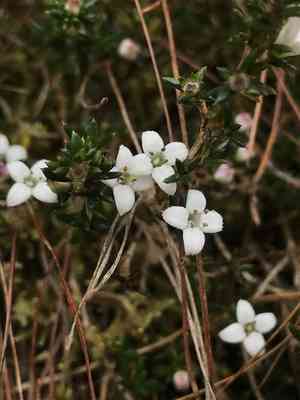
Arcytophyllum nitidum displays lustrous foliage and petite, attractive blossoms. To achieve peak development, perform pruning in the early spring, which corresponds with its natural growth period. Begin by eliminating any deceased or ailing branches, then reduce superfluous growth to preserve its form and enhance air movement. Trimming stimulates more robust leaves and a greater profusion of blooms. Always employ sanitized, keen implements to avert harm and illness. Consult botanical resources for further advice on caring for this distinctive plant variety.
What Are the Benefits of Pruning Arcytophyllum Nitidum?
What Are the Benefits of Pruning Arcytophyllum Nitidum?
Arcytophyllum nitidum thrives with pruning, leading to more vigorous growth and better shape retention. Pruning helps manage its size, promotes robust development, enhances flowering, and boosts resistance to pests and diseases.
What Is the Best Time for Pruning Arcytophyllum Nitidum?
What Is the Best Time for Pruning Arcytophyllum Nitidum?
Pruning arcytophyllum nitidum in early spring is optimal as it aligns with the plant's natural growth cycle. At this time, arcytophyllum nitidum is ready to enter a strong growth phase, which allows for quick wound healing and encourages healthy new shoots. This period also avoids peak flowering or fruiting, ensuring pruning doesn't disrupt arcytophyllum nitidum's reproductive processes. Pruning before the full start of the growing season minimizes plant stress, fosters strong development, and improves arcytophyllum nitidum's overall health and aesthetic form.
What Tools Do I Need to Prune Arcytophyllum Nitidum?
Hand Pruners
Hand pruners are perfect for arcytophyllum nitidum's small branches and delicate stems. They offer precision and control, essential for maintaining the plantâs shape.
Hedge Shears
Hedge shears are ideal for trimming and shaping arcytophyllum nitidum if it is grown as a border or hedge. They allow even cuts along the whole plant surface.
Loppers
Loppers are necessary for cutting through thicker branches of arcytophyllum nitidum, typically up to an inch or more in diameter. They provide greater leverage, making the task easier.
Pruning Saw
For the thickest branches that hand pruners and loppers cannot handle, a pruning saw is essential. It ensures clean cuts without damaging the plantâs structure.
Bypass Pruners
Bypass pruners are recommended for precise cuts, especially helpful for removing dead or damaged stems from arcytophyllum nitidum. They prevent crushing the stems, promoting healthy regrowth.
How to Prune Arcytophyllum Nitidum
Inspection
Carefully examine arcytophyllum nitidum to identify diseased leaves, withered leaves, dead branches, and diseased branches. Use clean and sharp pruning tools.
Remove Diseased Leaves
Start by removing any leaves that show signs of disease. Cut them at the base to prevent the spread of pathogens. Dispose of these leaves away from other plants.
Remove Withered Leaves
Trim away any withered or dried-out leaves. Make clean cuts at the base to promote better air circulation and reduce stress on arcytophyllum nitidum.
Cut Dead Branches
Identify and prune dead branches. Cut them back to the living stem, ensuring a clean cut close to the main stem or trunk. This supports the structural integrity of arcytophyllum nitidum.
Remove Diseased Branches
Carefully remove any branches that have signs of disease. Prune at least 6 inches below the diseased area to ensure all infected material is cleared. Sterilize pruning tools after each cut to prevent spreading pathogens.
Common Pruning Mistakes with Arcytophyllum Nitidum
Over-pruning
Removing too much of the plant at once can weaken arcytophyllum nitidum, reducing its ability to photosynthesize and recover.
Improper technique
Using dull or dirty tools can cause jagged cuts and introduce diseases into arcytophyllum nitidum.
Pruning at the wrong time
Pruning at inappropriate times, though the ideal season is excluded here, can stress arcytophyllum nitidum and disrupt its growth cycles.
Neglecting to remove dead or diseased wood
Failing to cut away dead or diseased parts can allow issues to spread through arcytophyllum nitidum.
Incorrect cut location
Cutting too close to the main stem or too far from a node can damage arcytophyllum nitidum or lead to poor regrowth.
Common Pruning Tips for Arcytophyllum Nitidum
Use sharp, clean tools
Ensure your pruning shears are sharp and sterilized to make clean cuts and prevent disease spread.
Make precise cuts
Cut just above a node or bud to encourage new growth in the desired direction.
Moderate pruning
Remove no more than 1/3 of the plantâs total foliage at a time to maintain arcytophyllum nitidum's vigor.
Deadheading
Regularly remove spent flowers to encourage more blooms and keep arcytophyllum nitidum looking tidy.
Observe plant health
Continuously monitor arcytophyllum nitidum for any signs of disease or distress, and prune accordingly to maintain healthy growth.



